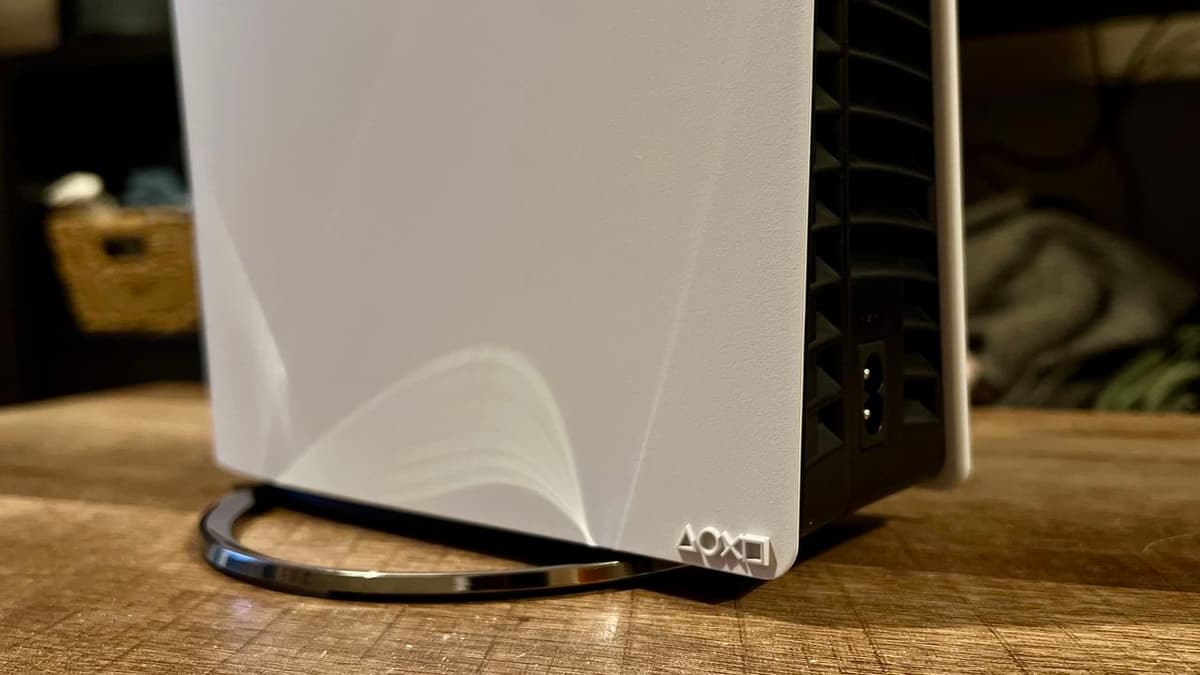
PS6 Release Date Rumors Are Spiralling, but It Looks Like Things Could Kick Off in 2028
Companies Mentioned

Why It Matters
The timing of the PS6 launch will shape console competition, supply‑chain investment, and revenue streams for both Sony and its ecosystem partners. A delay also opens a window for alternative platforms, such as Steam Machines, to capture market share.
Key Takeaways
- •Rumors split between 2027 holiday launch and 2028/2029 delay
- •Rising RAM costs could force Sony to absorb losses or delay
- •Microsoft's filings suggest next‑gen consoles start in 2028
- •Extended PS5 lifecycle may boost accessory sales through 2028
- •Steam Machine could gain users while Sony and Microsoft pause
Pulse Analysis
The console market traditionally follows a six‑year cadence, but the current semiconductor crunch is upending that rhythm. DRAM prices have more than doubled since early 2023, driven by AI workloads and limited fab capacity. For Sony, whose next console will likely rely on high‑bandwidth memory to support ray‑tracing and AI‑enhanced graphics, the cost spike threatens profit margins. Analysts predict Sony could either absorb the extra expense—potentially selling the PS6 at a loss to protect market share—or postpone the launch until the memory market stabilizes, which most forecasts place in late 2028.
Microsoft’s recent regulatory filings add weight to the 2028 timeline. The company’s documents reference a post‑2028 start for the next generation, aligning with its own hardware roadmap and the extended licensing window for Activision titles on PlayStation. This signals that Sony may have less competitive pressure to meet a 2027 holiday window, especially if Microsoft’s Xbox series also waits for a more favorable memory environment. The combined effect could lengthen the lifespan of the PS5, encouraging consumers to invest in premium accessories, upgrades, and game bundles rather than upgrading hardware.
For the broader ecosystem, a delayed PS6 rollout creates opportunities for alternative platforms. Valve’s Steam Machine, though niche, could attract gamers seeking high‑performance PC‑like experiences without the uncertainty of console supply constraints. Retailers and accessory manufacturers stand to benefit from a prolonged PS5 cycle, while developers may adjust roadmaps to target the existing hardware for an additional year. Ultimately, the memory shortage is reshaping strategic decisions across the console landscape, making 2028 a pivotal year for Sony, Microsoft, and the wider gaming market.
PS6 release date rumors are spiralling, but it looks like things could kick off in 2028
Comments
Want to join the conversation?
Loading comments...