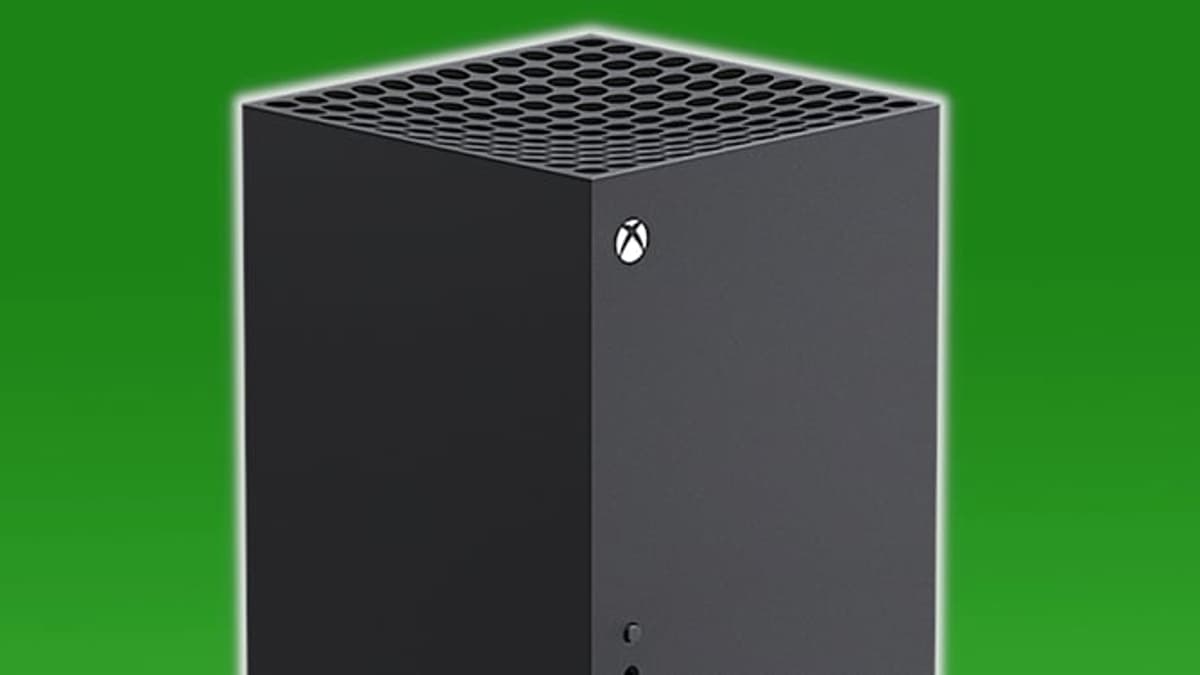
PS6 Report Suggests Next-Gen Consoles Could Still Be a Long Way Off
•February 17, 2026
0
Why It Matters
Extended launch windows reshape competitive dynamics and pricing strategies in the multi‑billion‑dollar console market, affecting gamers and investors alike.
Key Takeaways
- •AI demand spikes DRAM prices, tightening chip supply.
- •Sony may postpone PS6 launch to 2028‑2029.
- •Microsoft targets 2027 but could delay Xbox next-gen.
- •Next Xbox likely Windows‑based, premium hardware.
- •Console price inflation pressures consumers and market timing.
Pulse Analysis
The surge in artificial‑intelligence workloads is reshaping the semiconductor landscape, with data‑center operators hoarding DRAM and driving memory prices to historic highs. This scarcity ripples through the consumer electronics supply chain, forcing console manufacturers to reassess component sourcing and cost structures. For Sony, the pressure translates into a strategic decision to delay the PS6, buying time to secure affordable silicon and avoid launching a product at an inflated price point.
Microsoft’s roadmap reflects a similar calculus. While the company publicly aims for a 2027 release of its next‑generation Xbox, internal reports suggest a willingness to postpone if the premium hardware vision cannot be realized cost‑effectively. The anticipated Windows‑based architecture, which blurs the line between PC and console, demands high‑performance GPUs and fast memory—components currently constrained by the AI‑fuelled chip crunch. Consequently, Microsoft may prioritize a polished experience over a rigid launch window, echoing Sony’s cautious stance.
These delays have broader market implications. Consumers face rising prices on existing consoles, as seen with the Series X and the ROG Xbox Ally, while competitors like Nintendo could also raise Switch 2 prices. Investors must factor in longer product cycles and potential revenue gaps, and developers may need to adjust timelines for next‑gen titles. Ultimately, the AI‑induced component shortage is reshaping the console ecosystem, prompting manufacturers to balance innovation, cost, and timing more carefully than ever.
PS6 report suggests next-gen consoles could still be a long way off
0
Comments
Want to join the conversation?
Loading comments...