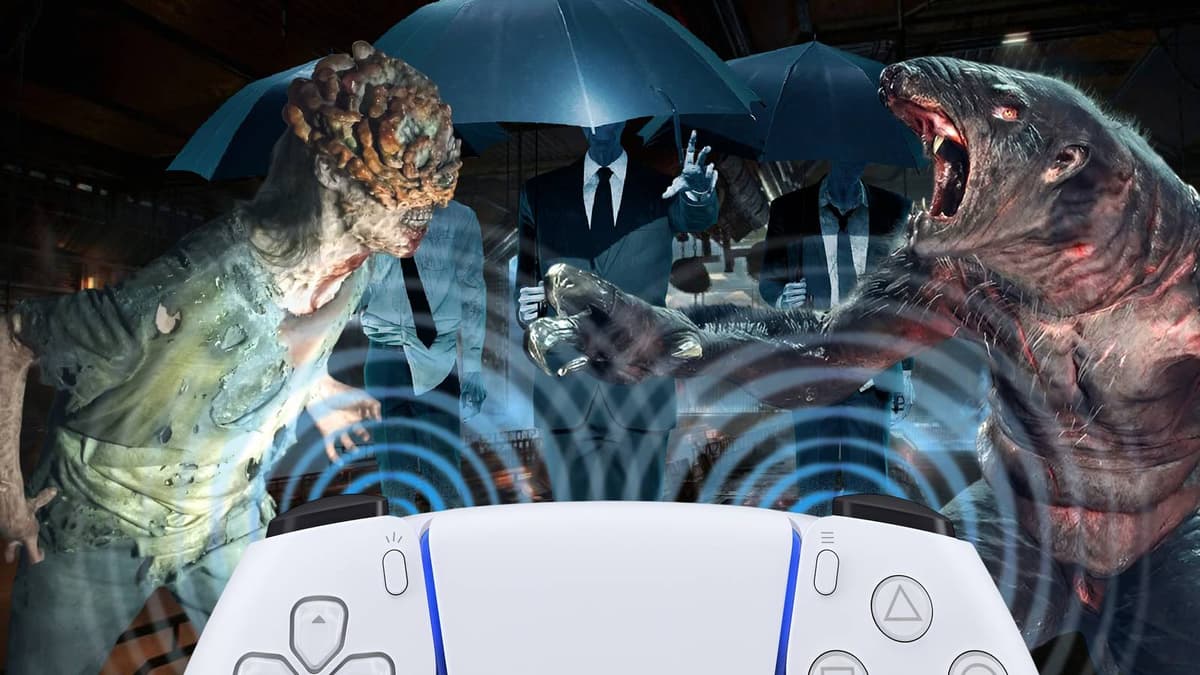
Psychological Horror Games That Use The DualSense 'Haptics' To Break The Fourth Wall
Why It Matters
DualSense haptics turn controller vibrations into narrative tools, raising player engagement and setting a new benchmark for immersive horror experiences. Developers that master this tactile language can differentiate their titles in a crowded market.
Key Takeaways
- •DualSense adaptive triggers simulate weapon resistance, amplifying fear
- •Haptic vibrations mirror environmental cues, turning sound into tactile tension
- •Dead Space, Ghostwire use haptics to signal unseen threats
- •Layered haptics differentiate powers in Control, enhancing gameplay clarity
- •Immersive feedback raises psychological impact, influencing future horror design
Pulse Analysis
Sony’s DualSense controller introduced a paradigm shift for console gaming by pairing adaptive triggers with nuanced haptic engines. Unlike traditional rumble, the system can modulate resistance and vibration intensity in real time, allowing developers to embed physical sensations directly into gameplay loops. This capability gives horror designers a new sensory palette, turning every gunshot, heartbeat, or ghostly whisper into a tactile event that can catch players off‑guard and reinforce narrative stakes.
Titles such as The Last of Us, Dead Space remake, and Alan Wake 2 illustrate the technology’s potential. In The Last of Us, trigger resistance mirrors the weight of different weapons, while subtle vibrations convey breathing or impact, making combat feel visceral. Dead Space leverages pulsating feedback to simulate the ship’s failing machinery, turning environmental storytelling into a physical experience. Alan Wake 2 pushes the envelope further, using haptics to delineate reality shifts, ensuring players feel the psychological fracture as much as they see it. Across the list, developers craft unique vibration signatures for powers, enemy attacks, and ambient threats, turning the controller into an extension of the game world.
The broader industry impact is significant. As players grow accustomed to tactile storytelling, expectations for immersive feedback will rise, prompting more studios to adopt haptic‑first design philosophies. This trend could spill into other genres—RPGs, racing, and even productivity apps—where nuanced vibration cues enhance user interaction. For Sony, the DualSense’s success reinforces its hardware differentiation strategy, potentially driving higher console sales and encouraging exclusive titles that fully exploit the controller’s capabilities. Meanwhile, developers that master this fourth‑wall technology gain a competitive edge, delivering experiences that resonate physically as well as emotionally.
Psychological Horror Games That Use The DualSense 'Haptics' To Break The Fourth Wall
Comments
Want to join the conversation?
Loading comments...