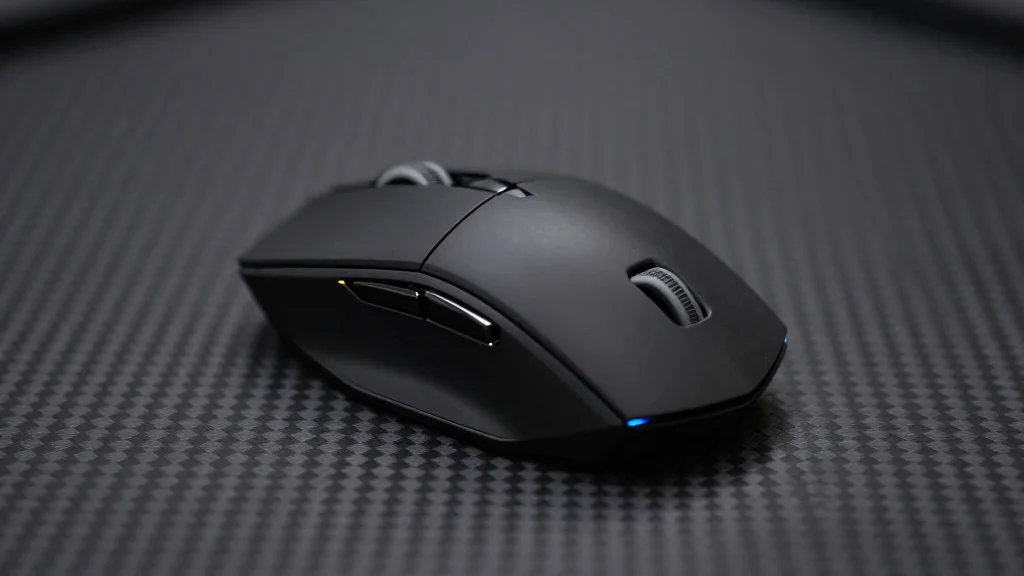
Razer Viper V4 Pro Takes on Logitech with 49‑Gram Ultra‑Fast Mouse

Companies Mentioned
Why It Matters
The Viper V4 Pro’s launch raises the performance ceiling for competitive peripherals, forcing rivals to match its sensor speed and ultra‑light weight. In esports, where milliseconds can decide outcomes, a lighter mouse with higher polling rates can translate into measurable advantages, reshaping team equipment standards. Moreover, the rivalry highlights a broader industry split: brands must choose between pushing raw specifications or focusing on ergonomics and silent operation, a decision that will influence product roadmaps across the gaming hardware sector. For consumers, the heightened competition expands choice at the premium tier, driving price competition and encouraging innovation in battery life, wireless reliability, and software integration. As manufacturers chase the next edge, the overall quality and feature set of gaming mice are likely to improve, benefitting both professional players and casual gamers seeking high‑performance gear.
Key Takeaways
- •Razer Viper V4 Pro weighs 49 g, 12 g lighter than Logitech's X2 Superstrike (61 g).
- •Features a 50,000‑DPI Focus Pro Optical sensor with up to 8,000 Hz polling.
- •Battery life claims up to 180 hours at 1,000 Hz polling, far above the 70‑110 hour average of rivals.
- •Logitech counters with haptic switches and a quieter, ergonomically‑curved design.
- •Both mice target the $150‑$200 premium market, intensifying competition for esports sponsorships.
Pulse Analysis
Razer’s Viper V4 Pro is more than a spec sheet; it’s a strategic statement. By shaving weight to 49 g and pushing polling rates to 8,000 Hz, Razer is betting that the competitive elite will prioritize raw responsiveness over comfort. Historically, the most successful esports peripherals have balanced speed with ergonomics—think the Logitech G Pro X Superlight, which combined a 63‑gram chassis with a low‑latency sensor to dominate the 2022 circuit. Razer’s gamble is that the marginal gains from a lighter mouse outweigh the fatigue that can set in during marathon sessions.
Logitech’s response—quiet haptic switches and a more pronounced dome—signals a divergent philosophy. The company appears to be courting a broader user base that values consistency and reduced acoustic distraction, especially in environments where silence matters (e.g., streaming or shared spaces). This split mirrors a larger market trend: a bifurcation between “ultra‑light” mice for high‑skill, high‑intensity play and “balanced” mice for everyday competitive use.
The ripple effect will likely accelerate sensor development across the board. If Razer’s 50K‑DPI Focus Pro proves stable at 8,000 Hz, manufacturers will be forced to certify their own sensors at comparable rates, shrinking the performance gap. For esports teams, hardware decisions will become a more visible component of competitive strategy, potentially influencing roster choices and sponsorship deals. In the end, the Viper V4 Pro may not dethrone Logitech outright, but it will push the entire segment toward faster, lighter, and more power‑efficient designs, raising the bar for every player who reaches for a mouse.
Razer Viper V4 Pro Takes on Logitech with 49‑Gram Ultra‑Fast Mouse
Comments
Want to join the conversation?
Loading comments...