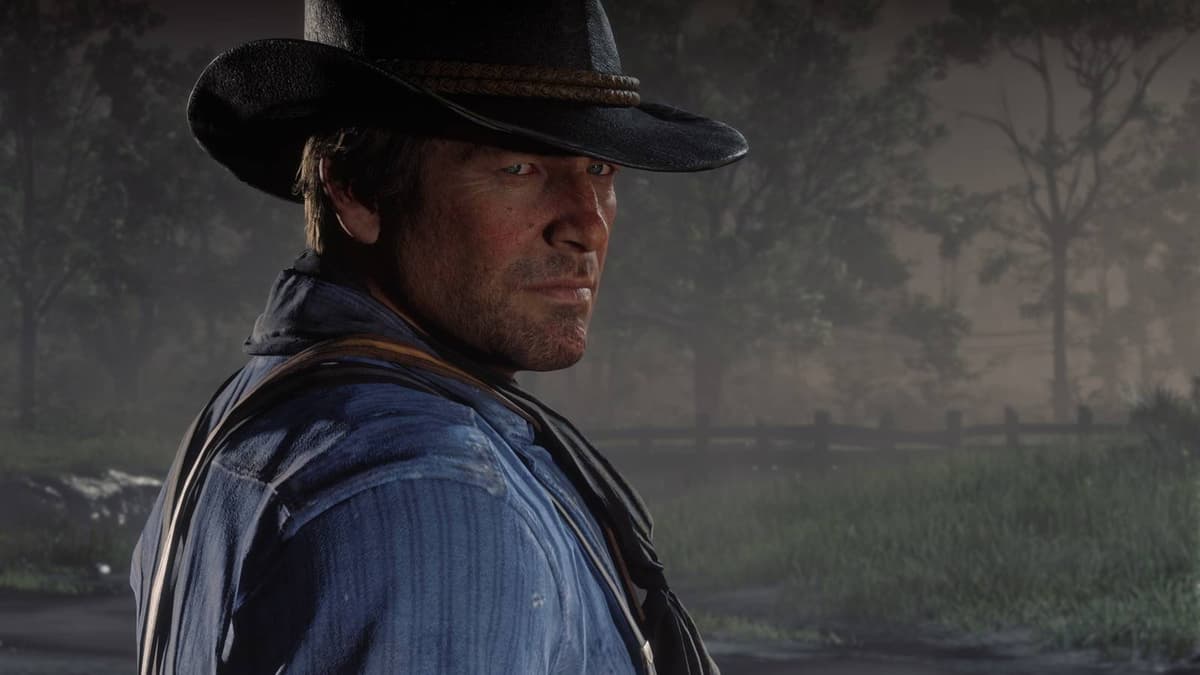
Red Dead Redemption 2 Is Still Killing It in 2026, and Nobody Realizes It
Companies Mentioned
Why It Matters
RDR2’s sustained sales demonstrate that legacy live‑service games can generate significant, ongoing revenue, reshaping how publishers prioritize post‑launch support and investment.
Key Takeaways
- •RDR2 reached 85 million units sold, third best‑selling game ever
- •Annual unit sales hit highest level since 2018 launch
- •Take‑Two exceeded 2025 revenue expectations thanks to RDR2 and GTA
- •RDR2 classified as “legacy live service” with modest post‑launch updates
- •Strong sales highlight durability of high‑quality open‑world titles
Pulse Analysis
Red Dead Redemption 2’s sales trajectory defies the typical post‑launch decline seen in many blockbuster titles. By surpassing 85 million copies, the game not only outpaces cultural staples like Wii Sports and The Sims but also reinforces the market appetite for richly crafted open‑world experiences that reward replayability. Analysts attribute this endurance to Rockstar’s meticulous world‑building, narrative depth, and a community that continues to mine the single‑player campaign for new challenges, keeping the title relevant years after its 2018 debut.
Take‑Two’s latest earnings reveal how legacy live‑service models can complement traditional live‑service engines such as GTA Online. While GTA Online receives frequent, revenue‑driving updates, Red Dead Online’s more restrained additions—new missions, occasional thematic events, and even novelty content like zombies—still sustain player engagement without the heavy development overhead. This hybrid approach allowed Take‑Two to exceed its 2025 financial forecasts, illustrating that a balanced mix of high‑frequency live updates and low‑maintenance legacy support can optimize profit margins while preserving brand equity.
The broader industry takeaway is clear: developers can extract long‑term value from titles that transition into legacy live services, provided the core experience remains compelling. As consumer spending on gaming continues to rise, publishers may allocate resources toward polishing existing IPs rather than chasing perpetual content pipelines. For investors and studios alike, Red Dead Redemption 2 serves as a case study in leveraging a strong launch foundation into a durable revenue engine that endures well beyond the hype cycle.
Red Dead Redemption 2 is still killing it in 2026, and nobody realizes it
Comments
Want to join the conversation?
Loading comments...