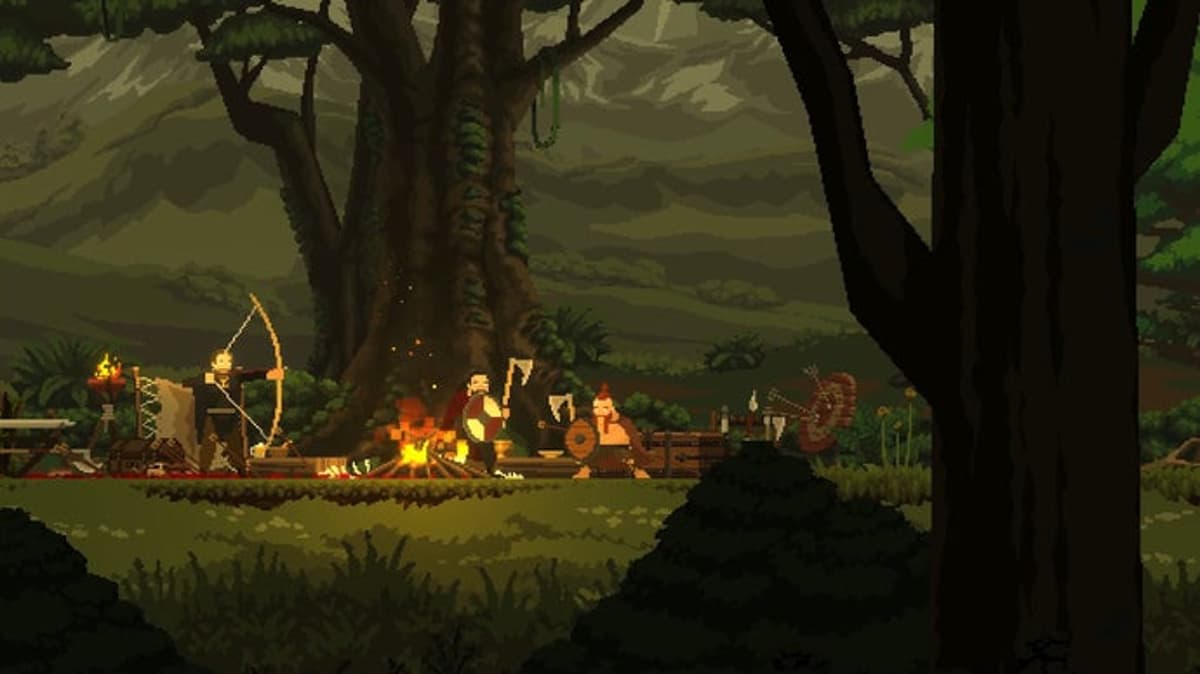
Regions of Ruin: Runegate Is a Pleasantly Pixelly RPG About Rebuilding a Lost Dwarven Kingdom, and It’s Out Next Month
•March 10, 2026
0
Why It Matters
The release highlights the continued demand for hybrid indie experiences that marry retro aesthetics with deep gameplay loops, reinforcing the viability of niche, single‑player titles in a co‑op‑heavy market.
Key Takeaways
- •Release date: April 14, 2026
- •Sequel expands town‑building and hack‑n‑slash
- •Pixel‑art aesthetic appeals to retro gamers
- •Single‑player focus differentiates from co‑op titles
- •Published by Raw Fury, known for indie support
Pulse Analysis
The indie gaming landscape has seen a resurgence of pixel‑art titles that combine nostalgic visuals with modern design depth. Regions of Ruin: Runegate arrives at a time when developers are leveraging retro aesthetics to cut development costs while still delivering rich, immersive worlds. By positioning itself as a sequel with expanded mechanics, the game taps into both existing fans of the original and newcomers drawn to its handcrafted art style, reinforcing the market’s appetite for affordable yet polished experiences.
Runegate’s core gameplay fuses side‑scrolling hack‑and‑slash combat with town‑building responsibilities, offering a dual‑layered loop that keeps players engaged beyond simple combat. Players control a solitary dwarf navigating forests, mountains, and deserts, gathering resources, constructing structures, and defending against goblin raids. The inclusion of shield‑charging attacks and a robust settlement system creates a sense of progression that feels both immediate in combat and strategic in long‑term kingdom restoration, a combination that few indie titles have successfully balanced.
From a business perspective, the game’s single‑player focus sets it apart from contemporaries like Return to Moria, which rely heavily on multiplayer co‑op. This decision broadens its appeal to gamers who prefer solitary experiences, potentially expanding its market reach. Backed by Raw Fury, a publisher renowned for championing indie talent, Runegate is positioned to capitalize on the growing segment of players seeking narrative‑driven, replayable adventures without the pressure of online coordination, signaling continued growth for niche, story‑centric releases in the industry.
Regions of Ruin: Runegate is a pleasantly pixelly RPG about rebuilding a lost dwarven kingdom, and it’s out next month
0
Comments
Want to join the conversation?
Loading comments...