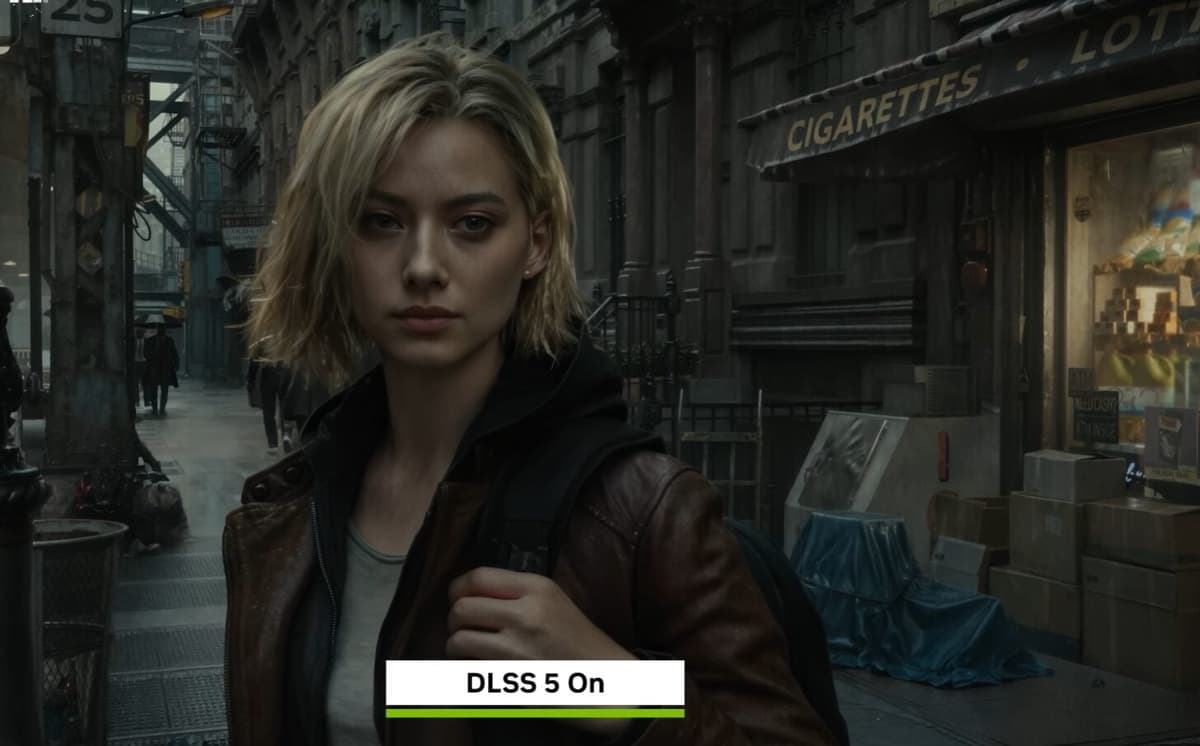
Resident Evil Requiem Producer Says DLSS 5 Anger ‘Shows We Got Grace’s Original Design Right’
Companies Mentioned
Why It Matters
The dispute highlights a tension between AI‑enhanced graphics and preserving artistic intent, a key factor as developers weigh adoption of generative rendering tools. Nvidia’s claim of developer‑level control could set industry standards for how AI is integrated into game pipelines.
Key Takeaways
- •DLSS 5 adds AI‑driven photoreal lighting to supported titles
- •Capcom sees backlash as validation of Grace’s original design
- •Nvidia emphasizes developer control over generative neural rendering
- •Critics compare DLSS 5 effect to over‑processed airbrush filters
- •Launch slated for fall 2026 across major AAA games
Pulse Analysis
Artificial intelligence is reshaping real‑time graphics, and Nvidia’s DLSS 5 represents the latest leap. Unlike earlier upscaling solutions, DLSS 5 claims to rewrite geometry and material properties at the frame level, delivering what the company calls "photoreal lighting and materials." By leveraging a massive neural network trained on high‑fidelity assets, the system can generate details that were never present in the original render. This generative approach blurs the line between traditional post‑processing and true content creation, prompting developers to reconsider how much visual fidelity they can outsource to AI while maintaining artistic direction.
The community reaction has been swift and vocal. Capcom’s Masato Kumzawa interpreted the outcry over Grace’s "glamorous" makeover in Resident Evil Requiem as a compliment, suggesting the character’s design already hit the mark. Meanwhile, industry voices like Respawn rendering engineer Steve Karolewics dismissed the demo as an over‑processed airbrush effect, fearing that AI could dilute the nuanced visual language crafted by artists. This debate underscores a broader concern: AI tools must augment, not replace, the creative intent that defines a franchise’s identity. Developers will need robust pipelines to fine‑tune AI output, ensuring consistency with established art styles.
Looking ahead, DLSS 5’s fall 2026 launch could become a litmus test for AI adoption in AAA pipelines. If Nvidia’s promise of developer‑level control holds, studios may gain a powerful lever to boost visual fidelity without massive performance penalties, potentially shortening development cycles. However, the technology’s reception will hinge on how transparently developers can manage the balance between AI‑generated enhancements and original artistic vision. Success could spur broader integration of neural rendering across the industry, while persistent backlash may encourage a more cautious, hybrid approach that keeps human artistry at the forefront.
Resident Evil Requiem producer says DLSS 5 anger ‘shows we got Grace’s original design right’
Comments
Want to join the conversation?
Loading comments...