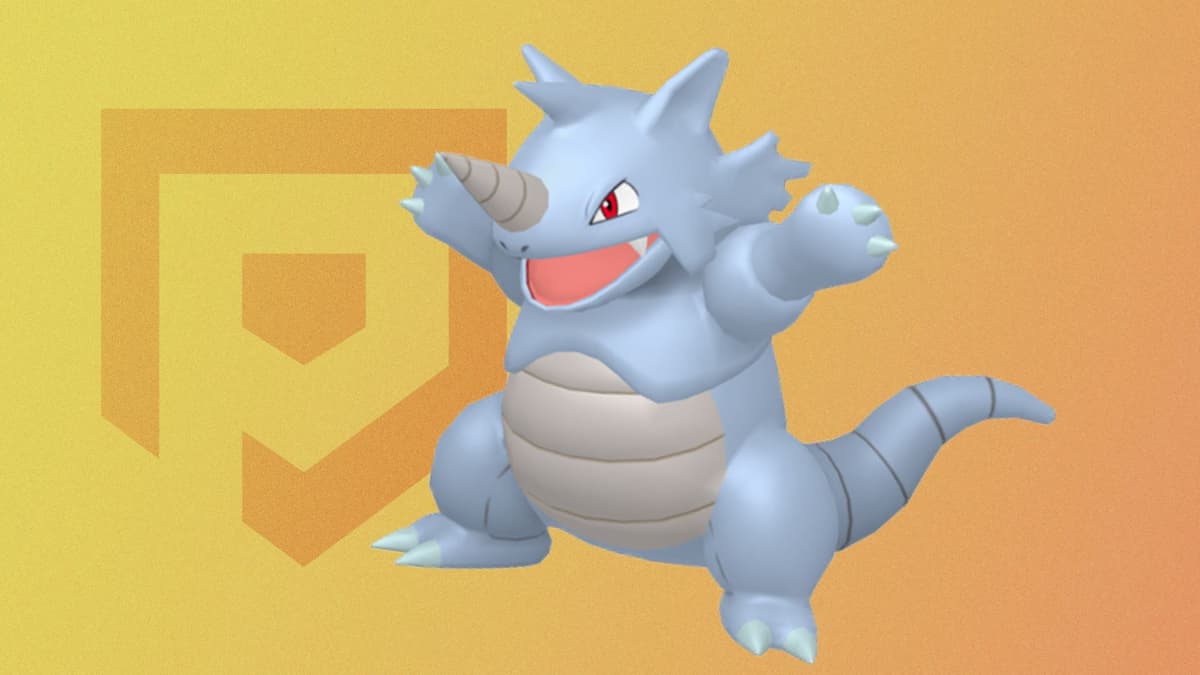
Why It Matters
Rhydon’s high Attack and defensive stats make it a staple in both casual and competitive teams, while its evolution chain and location spread affect game‑completion strategies and meta‑play decisions.
Key Takeaways
- •Rhydon evolves from Rhyhorn at level 42, evolves to Rhyperior via Protector trade
- •Base stats: 105 HP, 130 Attack, 120 Defense, low Speed
- •Weak to Fighting, Grass, Ground, Ice, Steel, Water; immune to Electric
- •Found in Cerulean Cave (Gen 1) and many routes across generations
- •Learns Earthquake, Drill Run, Stone Edge and other high‑damage moves
Pulse Analysis
Rhydon remains a cornerstone of the Pokémon roster thanks to its blend of raw power and durability. Its evolution path is straightforward—Rhyhorn reaches Rhydon at level 42, then transforms into the formidable Rhyperior when equipped with a Protector and traded. This two‑step progression rewards players who invest in early‑game grinding and later strategic trading, offering a late‑game behemoth with a base Attack of 130 and Defense of 120. The Pokémon’s Ground‑Rock typing grants it immunity to Electric attacks and resistance to several common types, though its six weaknesses demand careful team synergy.
Across the franchise’s nine generations, Rhydon’s availability reflects both nostalgia and modern design. Classic titles place it in Cerulean Cave, while later entries scatter it across diverse locales such as Route 10 in Sword & Shield, the Grand Underground, and the Hidden Treasure of Area Zero in Scarlet & Violet. Trade‑only options in Gen 2, Gen 5 and Gen 9 keep the Pokémon relevant for collectors seeking a complete Pokédex. These varied habitats also influence in‑game economy, as players often exchange Rhydon for region‑specific items or rare Pokémon, reinforcing its role in the broader trading ecosystem.
In competitive play, Rhydon’s move pool is a decisive advantage. Signature Ground moves like Earthquake and Drill Run deliver massive damage, while Rock‑type options such as Stone Edge and Rock Blast provide coverage against Flying and Fire threats. Its abilities—Lightning Rod and Rock Head—offer utility, and the hidden Reckless ability boosts recoil moves for high‑risk, high‑reward strategies. Pairing Rhydon with teammates that can cover its Fighting, Grass and Water vulnerabilities creates balanced line‑ups for formats ranging from VGC to Smogon tiers. Mastering its strengths and mitigating its weaknesses can turn Rhydon into a game‑changing asset in any battle scenario.
Rhydon | Pokémon guide
Comments
Want to join the conversation?
Loading comments...