Riot Games Reveals Riftbound 2026 Roadmap With New Card Sets, Competitive Events, and Languages
Companies Mentioned
Why It Matters
These updates deepen Riftbound’s competitive ecosystem and broaden its global audience, positioning the game for stronger player retention and monetization. Simultaneous multilingual releases and new mechanics also enhance accessibility and strategic variety.
Key Takeaways
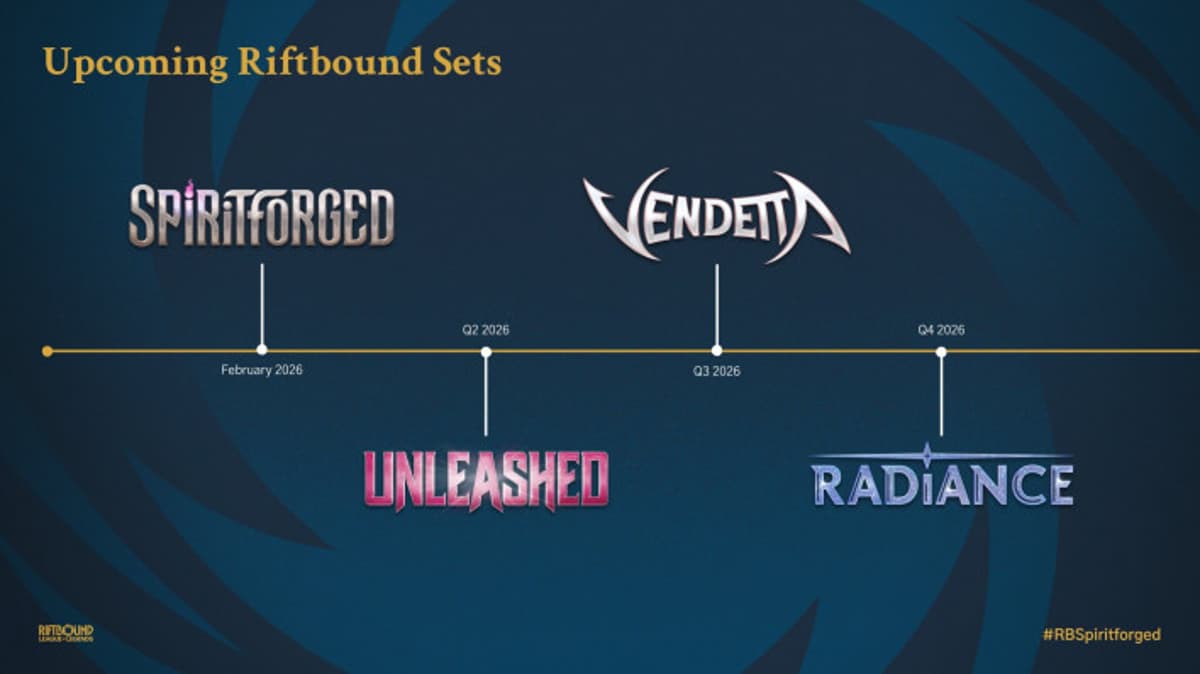
- •New Riftbound sets Vendetta and Radiance launch July, October 2026.
- •English and Simplified Chinese release simultaneously for Vendetta.
- •Regional Qualifiers added across NA, EU, APAC cities.
- •French and Traditional Chinese language support slated for 2026.
- •Enemy‑faction mechanics introduced, expanding strategic depth.
Pulse Analysis
Riftbound, Riot Games’ digital trading card game built on the League of Legends universe, has been steadily climbing the ranks of the crowded TCG market. The 2026 roadmap signals a shift from incremental updates to a more aggressive content cadence, with two flagship expansions—Vendetta and Radiance—scheduled within six months of each other. By aligning set releases with preview windows in March, summer and fall, Riot gives players ample time to digest new mechanics, a tactic that mirrors successful models in physical card games such as Magic: The Gathering. This disciplined rollout is designed to keep the meta fresh and sustain player spending throughout the year.
A cornerstone of the plan is the expansion of Organized Play. Regional Qualifiers will now span three major regions—North America, Europe and Asia‑Pacific—and will be hosted in a dozen cities ranging from Lille to Singapore. The broader geographic footprint not only creates more live‑event touchpoints for the community but also feeds a larger pipeline of talent into Riftbound’s premier championships. For sponsors and advertisers, the increased in‑person presence translates into higher brand exposure, while players benefit from more accessible pathways to elite competition, reinforcing the game’s esports credibility.
Language diversification rounds out Riot’s growth agenda. Vendetta will launch in both English and Simplified Chinese simultaneously, and French cards are expected mid‑year, with Traditional Chinese following later. This multilingual strategy lowers entry barriers in key markets and aligns with Riot’s broader push to localize its ecosystem. Moreover, the introduction of enemy‑faction pairings adds a strategic layer that differentiates Riftbound from other digital TCGs, encouraging deeper deck‑building experimentation. Combined, these moves position Riftbound to capture a larger share of the global digital card‑game audience and set the stage for sustained revenue growth.
Riot Games Reveals Riftbound 2026 Roadmap With New Card Sets, Competitive Events, and Languages


Comments
Want to join the conversation?
Loading comments...