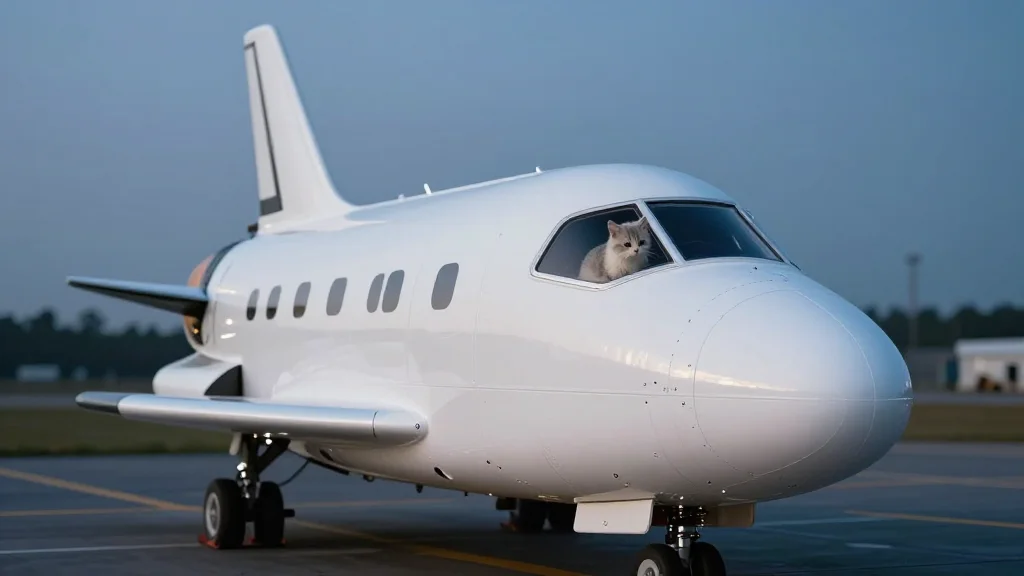
RocketWerkz Unveils 'Kitten Space Agency' As Spiritual Successor to Kerbal Space Program

Companies Mentioned
Why It Matters
Kitten Space Agency arrives at a moment when the space‑simulation genre is searching for a flagship title after the mixed reception of KSP2. By combining aerospace engineering expertise with indie‑game agility, RocketWerkz could set a new technical benchmark for realistic physics, influencing both hobbyist developers and larger studios. Moreover, the involvement of Felipe Falanghe bridges the original fanbase with a next‑generation audience, potentially revitalizing sales and community mod activity that have dwindled since KSP2's launch. Beyond the immediate market, KSA’s emphasis on a solid codebase and open‑beta feedback may encourage other developers to adopt more iterative, community‑driven development cycles. This could lead to higher quality releases across the simulation space, reducing the risk of costly post‑launch patches and preserving brand reputation for niche genres that rely heavily on word‑of‑mouth promotion.
Key Takeaways
- •RocketWerkz released a surprise pre‑alpha build of Kitten Space Agency, billed as a spiritual successor to Kerbal Space Program.
- •Stefan Moluf, ex‑SpaceX flight software engineer, leads development and emphasizes seamless Earth‑to‑space transitions.
- •Original KSP creator Felipe Falanghe is collaborating on the project, adding credibility and fan appeal.
- •Moluf cites KSP2’s technical failures and promises a more robust engine that eliminates long loading times.
- •Early‑access launch planned for later 2026 with a likely price point of $30‑$40 and future DLC roadmap.
Pulse Analysis
RocketWerkz’s KSA is more than a nostalgic cash‑in; it represents a strategic pivot in how indie studios tackle technically demanding simulations. The space‑flight genre has historically suffered from a trade‑off between realism and accessibility. By recruiting a former SpaceX engineer, RocketWerkz signals a willingness to invest in authentic physics while still delivering the sandbox freedom that made KSP a cult classic. This hybrid approach could attract a broader demographic, from aerospace students to casual gamers seeking a sandbox experience.
Historically, the KSP franchise thrived on community‑generated content, with mods extending gameplay far beyond the base offering. KSA’s early‑beta model, coupled with a promise of a stable foundation, may reignite that modding ecosystem, fostering a virtuous cycle of user‑generated innovation and sustained sales. If RocketWerkz can deliver on its performance promises, it could also pressure larger publishers to prioritize technical debt early in development, a lesson learned the hard way from KSP2’s troubled rollout.
Financially, the $30‑$40 price tag positions KSA alongside premium indie titles like "Factorio" and "Cities: Skylines," which have demonstrated long‑tail revenue through DLCs and community support. Assuming a modest launch of 200,000 copies, the game could generate $6‑$8 million in initial revenue, a solid base for ongoing content updates. More importantly, the success of KSA could validate a business model where niche, high‑fidelity simulations achieve profitability without the massive marketing budgets of AAA studios, reshaping investment strategies in the broader gaming market.
RocketWerkz Unveils 'Kitten Space Agency' as Spiritual Successor to Kerbal Space Program
Comments
Want to join the conversation?
Loading comments...