Rust's New Boats Just Got a Lot More Customizable, with Longer Days to Build Them
•March 7, 2026
0
Why It Matters
Longer daylight and deeper boat customization lower entry barriers and encourage more naval engagements, while the anti‑cheat options give server owners stronger security tools. These changes broaden Rust’s appeal and could boost player retention and server revenue.
Key Takeaways
- •Daytime extended by ~20 minutes, night unchanged
- •Boat blocks rotatable, demolishable anytime, no timer
- •Most electrical items now usable on vessels
- •Cannon hits apply stacking speed penalty to ships
- •Decay delay doubled, decay rate faster after delay
Pulse Analysis
The extended daylight cycle in Rust’s Shipshape update reshapes the game’s rhythm, allowing players to conduct raids, gather resources, and navigate the seas with a full hour of sunlight. Longer days reduce the pressure of night‑time threats, encouraging more ambitious base expansions and strategic positioning on the water. This shift also benefits streamers and content creators, who can showcase extended gameplay sessions without abrupt darkness interruptions, potentially increasing viewer engagement and platform time.
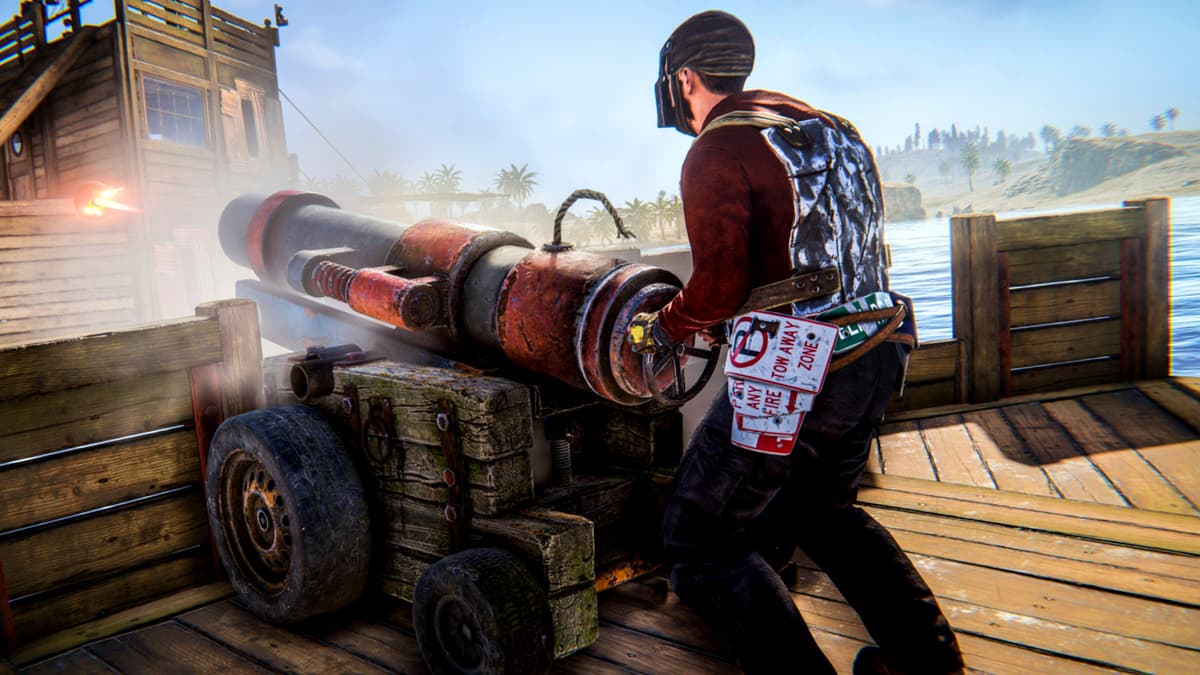
Boat building receives a suite of usability upgrades that transform maritime warfare into a more tactical playground. Rotatable and instantly demolishable blocks eliminate the previous five‑minute edit lock, while deployable snapping and wallpaper options let crews personalize vessels without sacrificing structural integrity. The inclusion of almost all electrical, industrial, and water I/O items expands the functional possibilities—players can now equip generators, pumps, and even limited defensive systems on their ships. Combined with the new stacking speed penalty from cannon fire and speed‑scaled aim sway, the update nudges combat toward coordinated cannon volleys and boarding actions, deepening the skill ceiling for naval engagements.
Beyond gameplay, the patch introduces robust server‑side enhancements. Administrators can now mandate TPM and Secure Boot requirements, marking worlds as "Secure" and raising the anti‑cheat bar for competitive servers. Meanwhile, Deep Sea adjustments—reduced loot density, increased network range to 620 m, and static repair stations on islands—balance risk versus reward for high‑stakes oceanic raids. These layered changes not only refresh Rust’s core loop but also signal Facepunch’s commitment to sustaining a vibrant, secure ecosystem that can attract new players and retain veterans, ultimately supporting the game’s long‑term monetization strategy.
Rust's new boats just got a lot more customizable, with longer days to build them
0
Comments
Want to join the conversation?
Loading comments...