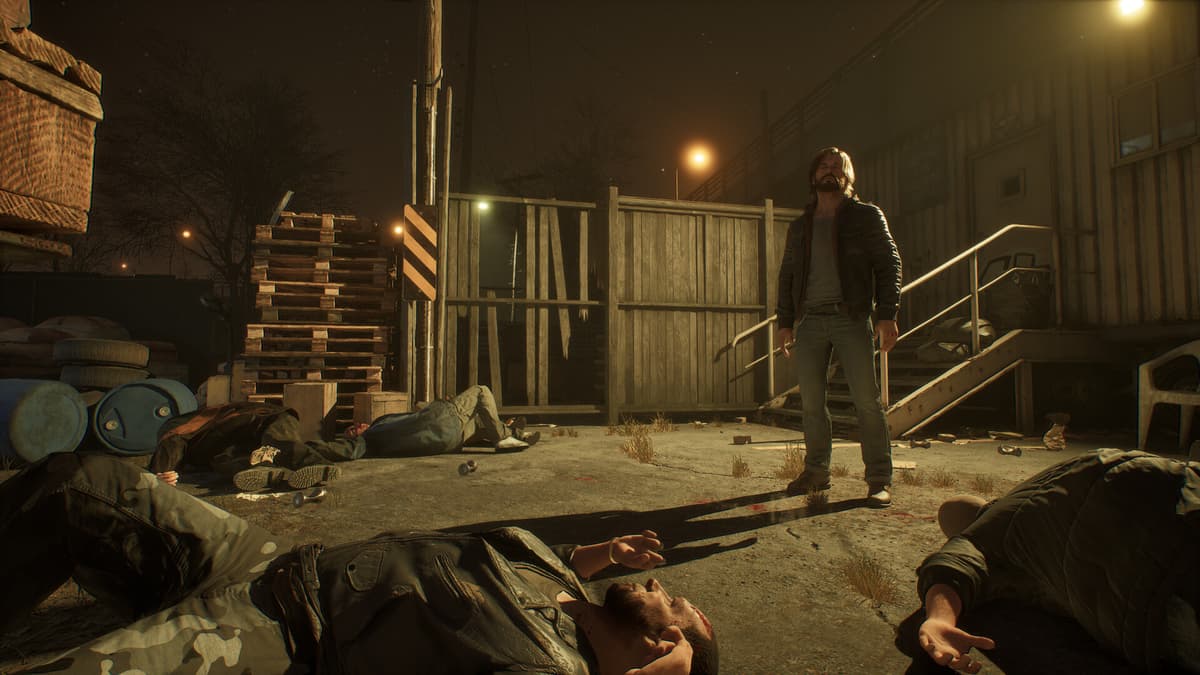
Samson: A Tyndalston Story Has Had Tons of Patches, But Is It Actually Fixed?

Why It Matters
The turnaround demonstrates how small studios can salvage reputation through rapid, transparent patch cycles, influencing player trust in indie releases. It also highlights the market’s appetite for high‑risk, high‑reward game concepts that defy mainstream comfort zones.
Key Takeaways
- •Launch plagued by crashes, animation glitches, and AI inconsistencies
- •First day patch addressed performance, saves, and animation bugs
- •Camera angles and combat readability improved in later updates
- •Vehicle physics, customization, and new map area added post‑launch
- •Core tension mechanic remains divisive but defines the game's identity
Pulse Analysis
The indie market increasingly rewards studios that can pivot quickly after a troubled launch. Liquid Swords faced external financial pressure that forced Samson: A Tyndalston Story onto shelves before polishing key systems. By acknowledging the shortcomings publicly, the studio set a precedent for transparency, a factor that can mitigate backlash when a product’s first impression is rough. This approach mirrors a broader shift where developers treat launch as the beginning of a live service, rather than a final product, especially for narrative‑driven titles with limited budgets.
Post‑launch, the studio delivered a cascade of patches that tackled the most glaring technical flaws. The initial hot‑fix stabilized frame rates, eliminated frequent crashes, and repaired save‑file corruption. Subsequent updates refined AI behavior, reworked the combat camera for clearer threat visibility, and overhauled vehicle physics, adding customization options and a new race track. These improvements not only enhanced playability but also re‑energized the community, turning early detractors into cautious supporters and extending the game’s lifespan through fresh content like difficulty modes and debt‑collector mechanics.
Samson’s evolution underscores a larger industry conversation about risk and ambition. While AAA publishers can afford extensive QA cycles, smaller studios often gamble on niche concepts that may alienate mainstream audiences. Samson’s pressure‑centric design challenges conventional open‑world freedom, appealing to players seeking purposeful urgency. The successful patch cadence shows that, with disciplined iteration, indie titles can bridge the gap between vision and execution, offering a blueprint for developers aiming to balance creative daring with technical reliability.
Samson: A Tyndalston Story Has Had Tons of Patches, But Is It Actually Fixed?
Comments
Want to join the conversation?
Loading comments...