Saros Feels Like Returnal, but It's a Very Different Game to Housemarque
Companies Mentioned
Sony Interactive Entertainment
Why It Matters
Saros shows how a mid‑size studio can leverage a breakout hit to expand its brand without a direct sequel, potentially setting a template for future roguelike shooters on next‑gen consoles.
Key Takeaways
- •Shield mechanic turns avoidance into aggressive forward play.
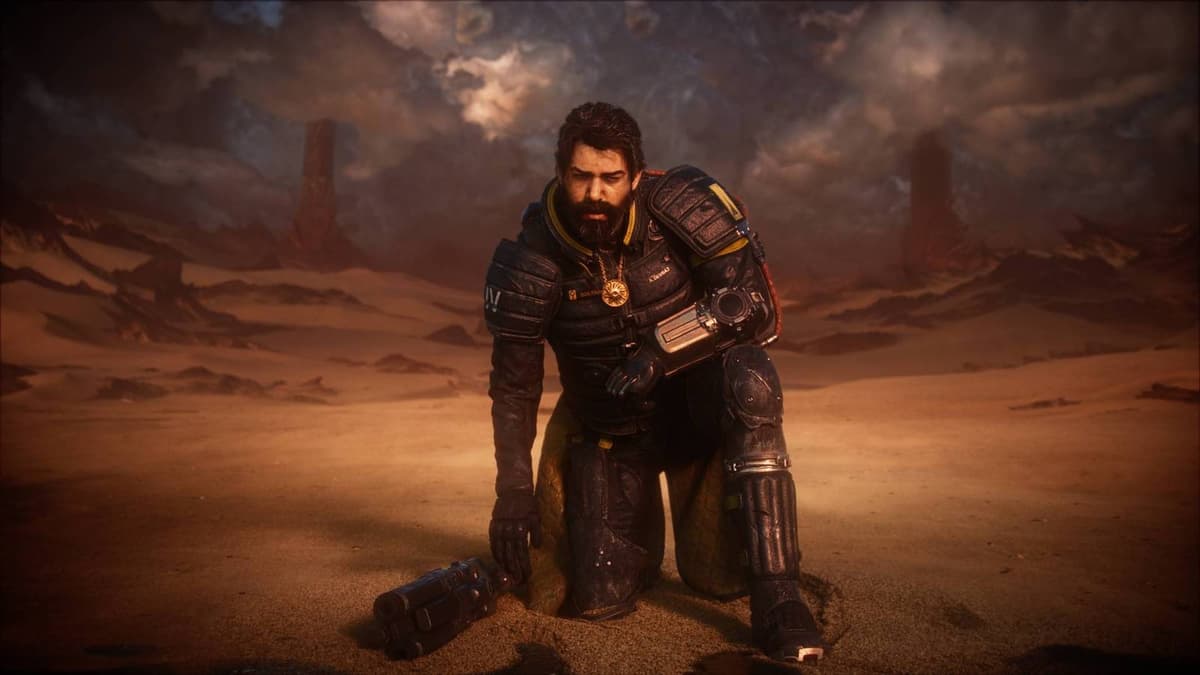
- •New protagonist Arjun shifts tone from scientist to soldier.
- •Visuals draw from Italian futurism and Icelandic photography.
- •Housemarque reuses VFX tech from Resogun, preserving arcade heritage.
Pulse Analysis
Returnal’s surprise success on PlayStation 5 gave Housemarque a rare mainstream spotlight, turning its arcade‑origin reputation into a high‑budget, narrative‑driven shooter brand. The market response proved that players were hungry for fast‑paced, roguelike experiences that blend cinematic storytelling with relentless action. By capitalizing on that momentum, Housemarque positioned Saros as both a spiritual successor and a fresh IP, aiming to retain the core audience while attracting newcomers who crave deeper combat systems.
Saros differentiates itself primarily through its shield mechanic, which converts the classic “dodge‑or‑die” loop into a forward‑focused “bullet ballet.” This change encourages aggressive play, letting players absorb and redirect enemy fire, a design choice that aligns with the new protagonist, Arjun Devraj, a battle‑hardened astronaut rather than Returnal’s scientist‑heroine Selene. The game’s aesthetic draws on Italian futurist architecture and stark Icelandic photography, reinforcing the cosmic‑horror vibe inspired by The King in Yellow. Together, these elements create a distinct visual and mechanical identity while preserving the procedural generation and high‑skill ceiling that defined Returnal.
For the industry, Saros illustrates a strategic path for studios that have scored a breakout hit: iterate on proven mechanics without committing to a direct sequel, thereby avoiding franchise fatigue. Housemarque’s reuse of proprietary VFX pipelines from Resogun demonstrates how legacy technology can be repurposed to cut development costs and maintain a signature arcade feel. If Saros resonates with both fans of Returnal and traditional arcade enthusiasts, it could encourage other mid‑tier developers to adopt similar hybrid approaches, blending familiar roguelike loops with novel gameplay twists to stay competitive in the next‑gen console era.
Saros feels like Returnal, but it's a very different game to Housemarque
Comments
Want to join the conversation?
Loading comments...