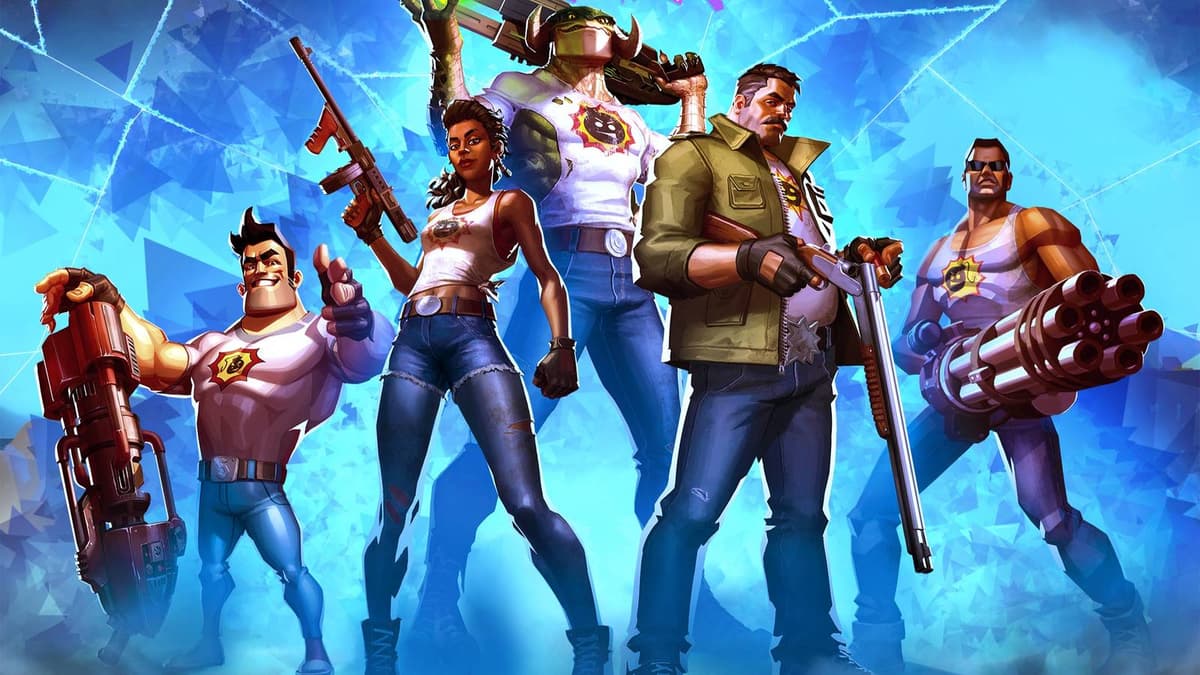
Serious Sam: Shatterverse Devs Explain Why Players Should 'Expect the Unexpected'
Companies Mentioned
Why It Matters
The shift to Behaviour Interactive and a roguelike, peer‑to‑peer model could revitalize the Serious Sam brand and set a template for legacy shooters seeking sustainable multiplayer ecosystems.
Key Takeaways
- •Behaviour Interactive leads development, shifting Serious Sam to roguelike co‑op
- •Game features three-level runs, Intel upgrades, and unique ultimate abilities
- •No vehicles; focus on chaotic pacing and five-player multiplayer
- •Peer‑to‑peer networking aims for 15‑20 year game longevity
- •Solo play supported with intercom dialogue, no AI bots
Pulse Analysis
Serious Sam: Shatterverse marks a bold departure for the long‑running shooter series, as Behaviour Interactive—best known for the multiplayer hit Dead by Daylight—takes the reins from original creator Croteam. This handoff allows the franchise to experiment beyond its classic level‑based formula, injecting a roguelike framework that aligns with current player preferences for replayability and procedural variety. By merging the series’ trademark over‑the‑top action with Behaviour’s expertise in live‑service multiplayer, the title positions itself at the intersection of nostalgic franchise appeal and modern game design trends.
The core loop revolves around three‑level runs, each ending with a boss and offering distinct objectives. Players collect “Intel” to unlock temporary buffs and equip powerful ultimate abilities that differentiate each Sam from different eras. The decision to omit vehicles—once a staple in Serious Sam 3 and 4—was intentional, keeping combat frenetic while preserving balance for up to five players in co‑op mode. Solo players enjoy a full experience without AI bots, with dialogue delivered via intercom, ensuring the game remains accessible regardless of group size.
Behaviour’s commitment to peer‑to‑peer networking reflects a strategic focus on long‑term sustainability, aiming for a 15‑ to 20‑year lifespan reminiscent of the original The First Encounter. By avoiding costly dedicated servers, Shatterverse can maintain low overhead while delivering stable multiplayer sessions. This approach also mitigates the server‑shutdown risks that have plagued many recent titles. Combined with post‑launch content flexibility, the game could set a precedent for legacy shooters seeking to stay relevant in an increasingly live‑service‑driven market. Its success could inspire other legacy franchises to adopt similar models.
Serious Sam: Shatterverse devs explain why players should 'expect the unexpected'
Comments
Want to join the conversation?
Loading comments...