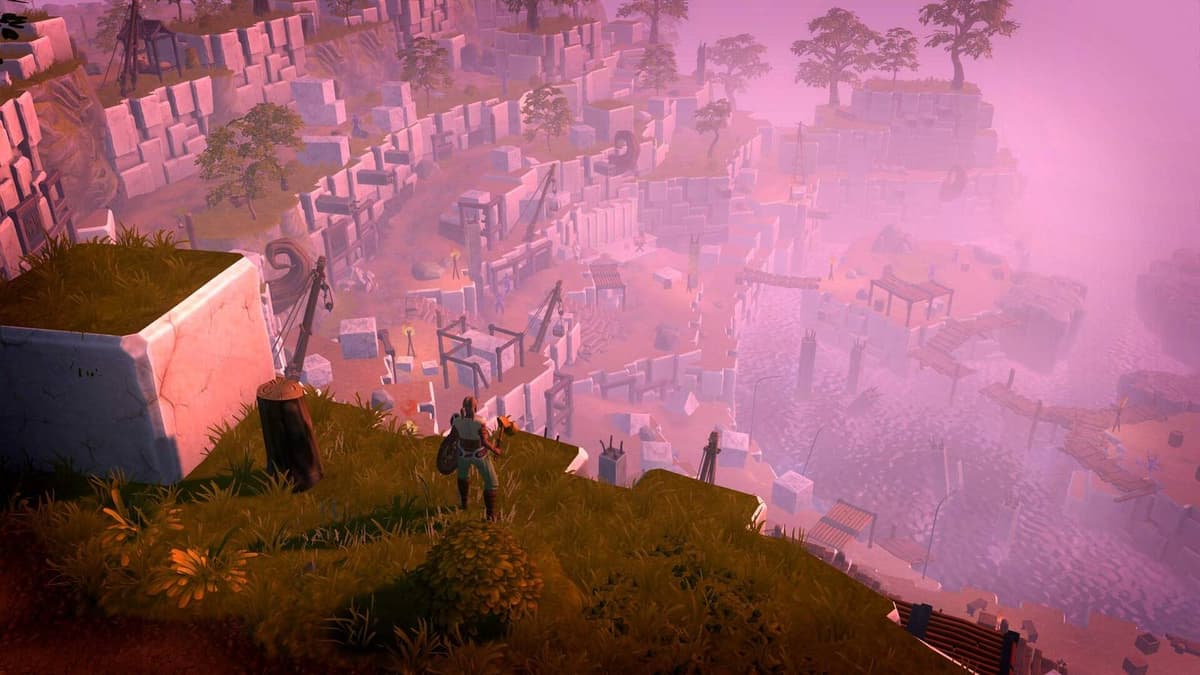
Setting Out Into New Destructible Worlds With Dysplaced Launch Trailer
•March 6, 2026
0
Why It Matters
Dysplaced showcases how sandbox destruction mechanics can thrive in the Early Access model, attracting casual gamers seeking low‑pressure, repeatable content. Its success could influence indie developers to prioritize modular progression over combat‑centric designs.
Key Takeaways
- •Early Access launch expands Dysmantle franchise
- •Procedural destruction encourages creative resource gathering
- •Combat is simple, serving as a secondary activity
- •Progression hinges on tool upgrades unlocking larger obstacles
- •End‑of‑day sessions drive relaxed, repeatable gameplay
Pulse Analysis
The Early Access debut of Dysplaced arrives at a time when indie developers are leveraging phased releases to build community momentum and reduce financial risk. By positioning the game as a sequel to the well‑received Dysmantle, the studio taps into an existing fan base while attracting newcomers intrigued by its unique blend of post‑apocalyptic scavenging and medieval aesthetics. This approach aligns with current market trends where players favor titles that evolve through player feedback, ensuring a steady stream of updates and sustained engagement.
At its core, Dysplaced flips the traditional action‑RPG formula: destruction and crafting take center stage, while combat remains deliberately straightforward. Players wield upgradable tools to dismantle everything from wooden crates to abandoned cars, converting debris into raw materials for new equipment. This loop of discovery, upgrade, and larger‑scale demolition satisfies a primal urge to reshape environments, offering a satisfying sense of progression without the high stakes of hardcore combat. The design caters to “end‑of‑day” gamers who seek a relaxing yet rewarding experience, making it ideal for short play sessions that still feel meaningful.
Looking ahead, the developers have outlined a roadmap that includes additional maps, expanded crafting stations, and community‑driven content during the Early Access window. Such ongoing support not only prolongs the game’s lifespan but also positions Dysplaced as a potential benchmark for sandbox titles that prioritize modular, tool‑driven progression. If the title maintains its momentum, it could inspire a wave of indie projects that emphasize creative destruction over combat, reshaping expectations within the broader sandbox genre.
Setting Out Into New Destructible Worlds With Dysplaced Launch Trailer
0
Comments
Want to join the conversation?
Loading comments...