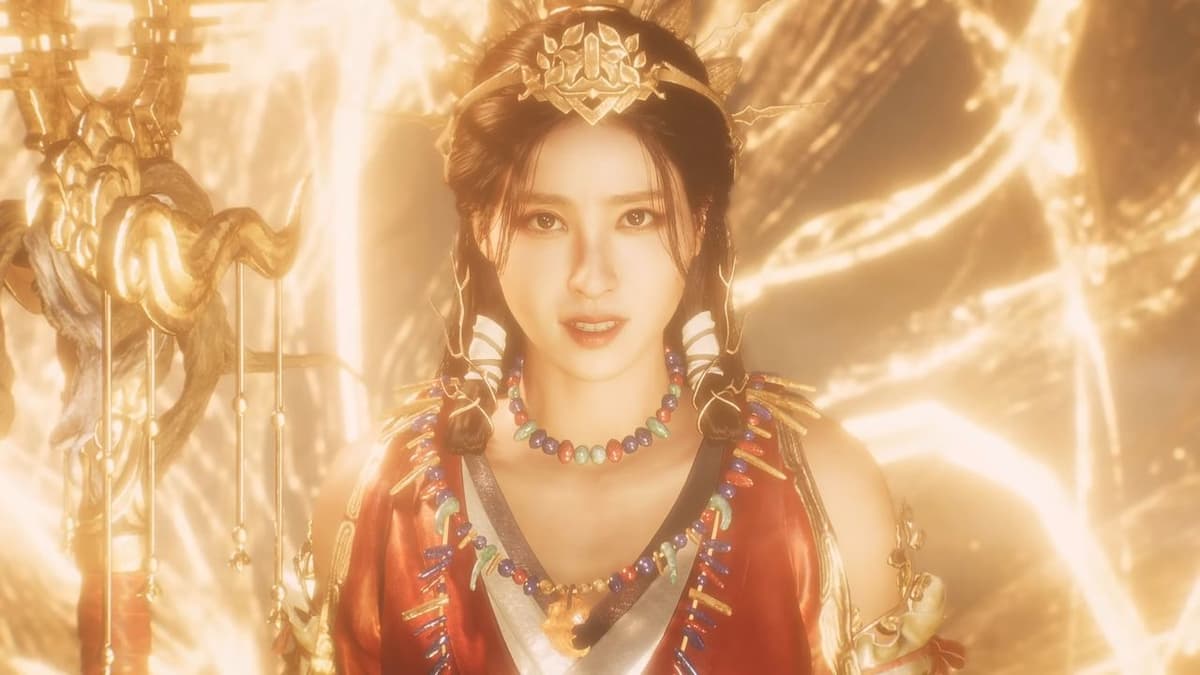
Should Japanese Game Devs Focus on a Japanese Style? Nioh 3 Leads Say It's "One of Our Strengths," But Blindly "Sticking with that Japanese Style Isn't Good" On Its Own
Why It Matters
The discussion reveals that Japanese developers must fuse cultural identity with global design trends to remain commercially viable in an increasingly international market.
Key Takeaways
- •Nioh 3 emphasizes ukiyo‑e and yokai art influences
- •Team Ninja cites precision as a “Japanese way.”
- •Developers stress fun over pure cultural fidelity
- •Balance Japanese uniqueness with Western gameplay trends
- •Global appeal critical for commercial success
Pulse Analysis
The Japanese video‑game sector has long leveraged its cultural heritage to create distinctive experiences, and Koei Tecmo’s Nioh franchise epitomizes that approach. Producer Kohei Shibata and studio head Fumihiko Yasuda explain that Nioh 3 deliberately weaves samurai lore, historical periods, and yokai mythology into its core design. While the series enjoys strong domestic follow‑up, its recent success in Western markets—driven by a blend of challenging combat and narrative depth—demonstrates that authenticity alone does not guarantee global traction. The interview therefore serves as a barometer for how Japanese studios assess the trade‑off between cultural fidelity and worldwide appeal.
Artistic direction is the most visible expression of that Japanese DNA. Yasuda points to ukiyo‑e’s stylized line work and the late‑20th‑century yokai illustrations of Shigeru Mizuki as primary visual references, giving Nioh 3 a palette that feels both historic and fantastical. This aesthetic choice differentiates the title from Western‑styled RPGs that favor photorealism, and it resonates with players seeking a uniquely Japanese visual language. By embedding period‑specific motifs—from the Warring States to Edo‑era scrolls—the game creates an immersive cultural texture that can’t be replicated by generic art pipelines.
From a business perspective, Shibata’s warning against “blindly sticking” to a single style underscores a strategic imperative: Japanese developers must fuse their cultural strengths with design elements that have proven popular abroad. Incorporating Western‑inspired systems—such as streamlined UI, open‑world exploration, or cooperative multiplayer—can broaden a title’s marketability without diluting its identity. The Nioh 3 model suggests a hybrid roadmap where precision‑driven mechanics, a hallmark of Japanese craftsmanship, coexist with globally recognized fun factors. Studios that master this balance are better positioned to capture both domestic loyalty and the lucrative international player base.
Should Japanese game devs focus on a Japanese style? Nioh 3 leads say it's "one of our strengths," but blindly "sticking with that Japanese style isn't good" on its own
Comments
Want to join the conversation?
Loading comments...