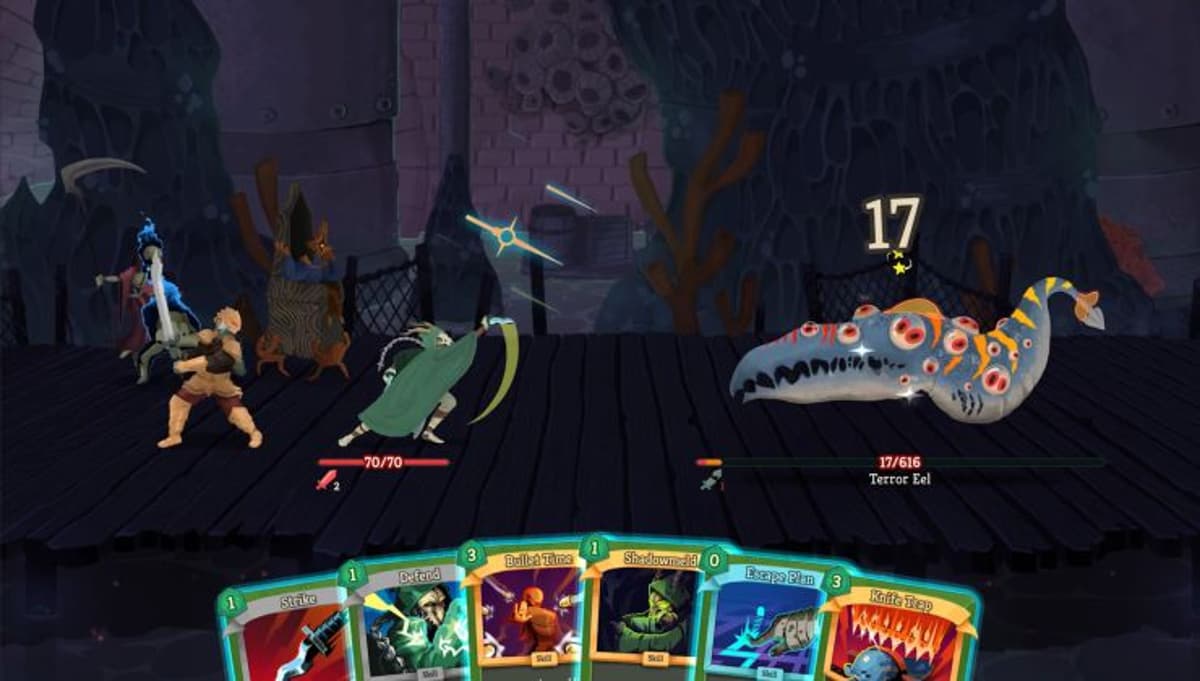
Slay the Spire 2 Arrives March 5 with 4-Player Co-Op
•February 20, 2026
0
Why It Matters
The co‑op launch expands the deck‑building genre into multiplayer, attracting broader audiences and reinforcing Linux’s growing relevance in mainstream gaming.
Key Takeaways
- •Early Access launch scheduled for March 5, 2026.
- •Features four-player cooperative mode with new synergy cards.
- •Introduces additional characters, environments, and enemy types.
- •Built on Godot engine, promising strong Linux performance.
- •Early Access expected to run one to two years.
Pulse Analysis
The addition of four‑player co‑op to Slay the Spire 2 marks a notable shift for a genre traditionally dominated by solo experiences. By allowing friends to combine decks and coordinate strategies, Mega Crit taps into the rising demand for social, replayable content while preserving the deep tactical core that made the original a hit. This move not only differentiates the sequel from competitors but also creates new monetization pathways through cooperative‑focused expansions and seasonal events.
Running on the open‑source Godot engine, Slay the Spire 2 showcases how community‑driven tools can deliver high‑quality, cross‑platform titles. Native Linux support signals confidence in the platform’s stability and performance, encouraging developers to consider Linux as a first‑class release target rather than an afterthought. The choice of Godot also aligns with the growing trend of studios leveraging cost‑effective, flexible engines to accelerate development cycles and retain creative control.
The Early Access model, slated for a one‑to‑two‑year window, gives Mega Crit a sandbox for iterative design and community feedback. This approach reduces launch risk, allowing the team to refine balance, expand card pools, and polish multiplayer interactions before a full release. For investors and publishers, the strategy promises sustained revenue streams and a longer engagement horizon, positioning Slay the Spire 2 as a potential long‑term franchise anchor in the indie gaming market.
Slay the Spire 2 arrives March 5 with 4-player co-op
0
Comments
Want to join the conversation?
Loading comments...