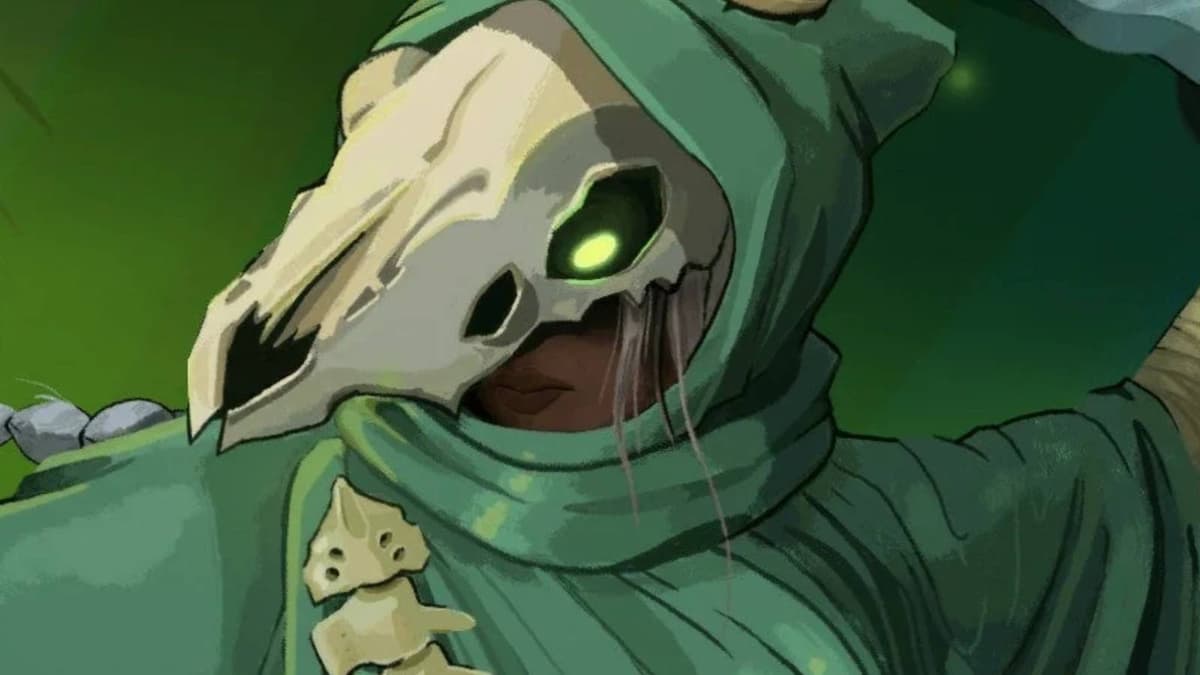
Slay The Spire 2 Fans Are Worried Silent Is Too Overpowered
•March 10, 2026
0
Why It Matters
If Silent remains dominant, the game’s strategic depth and player retention could suffer, undermining its reputation as a balanced roguelike card experience.
Key Takeaways
- •Silent's Sly ability auto-plays discarded cards, boosting damage
- •Veteran Redditor reports Silent dominates early-access balance
- •Overreliance on Silent limits strategic diversity in runs
- •MegaCrit can adjust numbers before full release
- •Community feedback crucial for roguelike card game tuning
Pulse Analysis
The controversy surrounding Silent highlights a classic challenge for early‑access titles: delivering compelling gameplay while iterating on balance. In Slay the Spire 2, the Sly mechanic—automatically playing discarded cards—creates a feedback loop that amplifies damage output far beyond other characters. This not only inflates win rates for Silent but also reduces the incentive to explore alternative decks, which can erode the game’s replay value. By contrast, the original Slay the Spire succeeded by rewarding diverse strategies, a benchmark MegaCrit will need to meet.
From a development perspective, the timing of this feedback is advantageous. Early‑access windows allow studios to collect granular data on character performance, patching imbalances before the broader market sees the final product. MegaCrit can adjust card costs, discard rates, or the trigger conditions of Sly to restore equilibrium. Such changes must be communicated transparently to maintain trust with the community, especially power users like JapaneseExport whose insights carry weight due to extensive playtime and competitive standing.
For the broader roguelike and card‑game market, this situation underscores the importance of iterative design and community engagement. Overpowered characters can skew meta‑games, leading to homogenized playstyles that diminish long‑term engagement. By addressing Silent’s dominance early, MegaCrit not only safeguards its own title’s longevity but also sets a precedent for responsible balancing in live‑service games. Players will likely watch the upcoming patches closely, using Silent’s adjustments as a barometer for how responsive the studio is to player‑driven feedback.
Slay The Spire 2 Fans Are Worried Silent Is Too Overpowered
0
Comments
Want to join the conversation?
Loading comments...