Slay The Spire 2 Is Getting Review Bombed Again, This Time Because Of Chuds

Companies Mentioned

Valve
Kickstarter
Why It Matters
The incident shows that non‑technical controversies can depress Steam scores, potentially hurting sales and the reputation of indie developers. It also underscores the power of coordinated online campaigns to manipulate marketplace metrics.
Key Takeaways
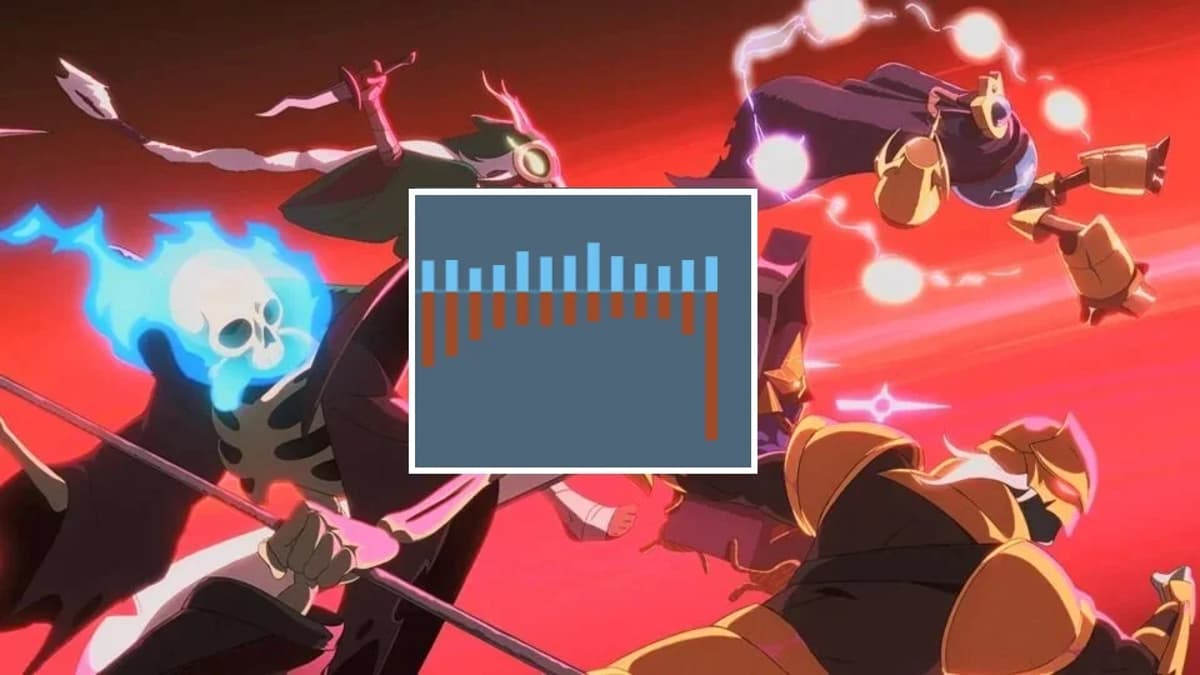
- •Slay the Spire 2 hit 61% positive after 2,525 negative reviews.
- •Review bomb driven by Anita Sarkeesian’s consultant credit, not game changes.
- •Most negative reviews posted within 24 hours, likely tied to refunds.
- •Earlier bombs came from Chinese accounts; current wave targets English speakers.
- •Controversy underscores cultural wars influencing indie game ratings.
Pulse Analysis
Review bombing has become a potent tool for disgruntled gamers to influence a title’s market performance, especially on platforms like Steam where visible scores drive discoverability. When a sudden influx of low‑rating reviews occurs, it can trigger algorithmic demotion, reduce organic traffic, and deter potential buyers. For developers, especially smaller studios, a dip from a healthy rating to a sub‑70% positive score can translate into a measurable revenue shortfall, as many consumers rely on aggregate scores as a trust signal.
The catalyst for the latest wave against Slay the Spire 2 is the inclusion of Anita Sarkeesian in the game’s credit roll. Sarkeesian, known for her feminist critique of video‑game tropes and a central figure in the 2014 Gamergate controversy, remains a lightning rod for a segment of the gaming community that equates her involvement with a perceived agenda. Social‑media platforms, particularly X, amplified the outrage, prompting users to flood Steam with one‑star reviews despite having no substantive gameplay grievances. This pattern illustrates how cultural flashpoints can be weaponized to target a product’s reputation without any concrete quality concerns.
For the broader industry, the Slay the Spire 2 episode serves as a cautionary tale about the intersection of credit attribution and community sentiment. Studios must anticipate potential backlash when collaborating with high‑profile consultants whose public personas are polarizing. Proactive communication, transparent credit explanations, and robust moderation of review platforms are becoming essential risk‑mitigation strategies. As review‑bombing tactics evolve, platforms may need to refine detection mechanisms to differentiate genuine consumer feedback from coordinated smear campaigns, preserving the integrity of rating systems that both developers and gamers depend on.
Slay The Spire 2 Is Getting Review Bombed Again, This Time Because Of Chuds
Comments
Want to join the conversation?
Loading comments...