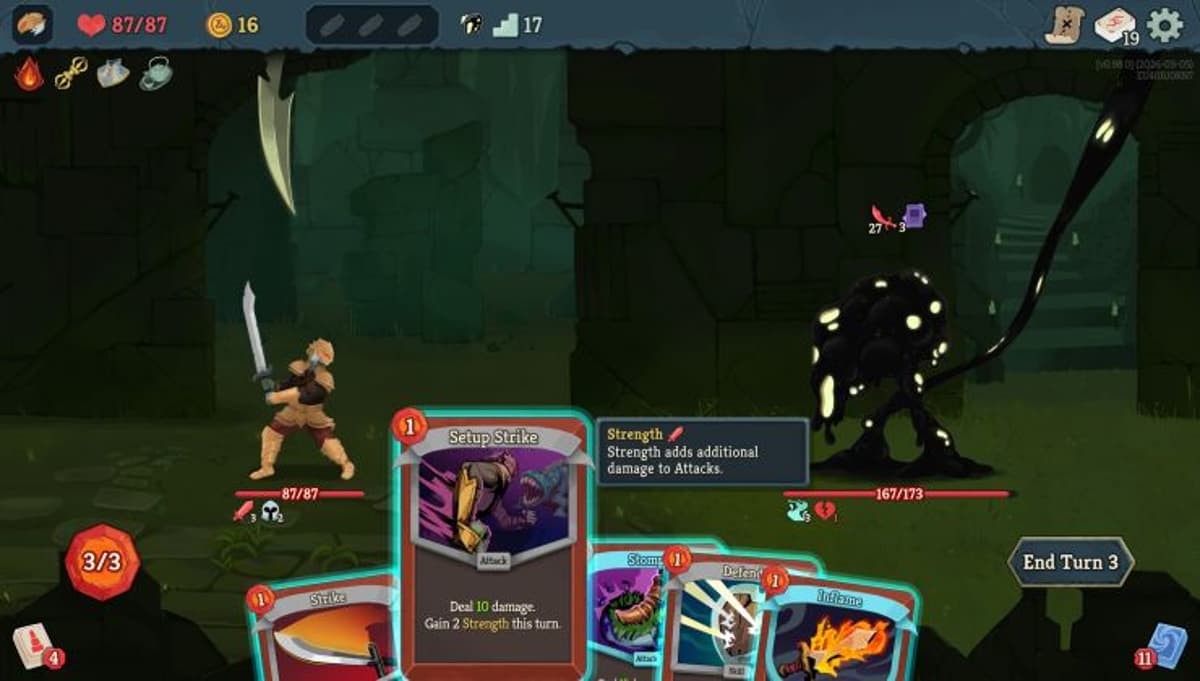
Slay the Spire 2 Is Out Now in Early Access with Online Co-Op
•March 5, 2026
0
Why It Matters
The release expands the deck‑builder market with multiplayer and cross‑platform options, while Godot’s involvement signals growing open‑source adoption in mainstream titles.
Key Takeaways
- •Early Access launch includes four‑player online co‑op.
- •Native Linux support and Steam Deck compatibility confirmed.
- •Built on open‑source Godot engine, boosting mod potential.
- •Peak concurrent players hit 110,927 at launch.
- •Bundle offers discount for owners of original game.
Pulse Analysis
The deck‑builder genre has long been dominated by single‑player experiences, but Slay the Spire 2’s Early Access debut introduces robust online co‑op for up to four participants. This shift aligns with broader industry trends toward social, replayable content, giving players a fresh strategic layer while preserving the series’ signature rogue‑like progression. By leveraging the established Slay the Spire brand, the sequel is poised to capture both veteran fans and newcomers seeking collaborative challenges.
A notable technical decision is the use of the Godot engine, an open‑source framework gaining traction among indie and mid‑scale developers. Godot’s flexibility reduces licensing costs and encourages community‑driven modding, potentially extending the game’s lifespan beyond the planned Early Access window. The native Linux build and seamless Steam Deck performance also signal a commitment to broader platform accessibility, catering to the growing segment of gamers who prioritize open‑source compatibility and portable play.
Looking ahead, the developers have outlined a 1‑ to 2‑year Early Access roadmap that promises additional game modes, refined visual effects, and multilingual support. This phased approach allows for iterative community feedback, mitigating risk while fostering a dedicated player base. The early surge to over 110,000 concurrent users demonstrates strong market appetite, suggesting that the combination of multiplayer depth, cross‑platform reach, and open‑source tooling could set a new benchmark for future deck‑builder releases.
Slay the Spire 2 is out now in Early Access with online co-op
0
Comments
Want to join the conversation?
Loading comments...