Why It Matters
Bringing Soapy Tales to Switch taps the growing demand for low‑stress, portable gaming experiences, expanding its reach to Nintendo’s large install base. The move underscores indie developers’ strategy to diversify platforms and capture audiences seeking relaxation over high‑octane action.
Key Takeaways
- •Soapy Tales launches on Nintendo Switch Feb 24, 2026.
- •First‑person cozy game blends chores with time management.
- •Features skill tree, artifacts, pastel aesthetic.
- •Targets relaxation‑seeking gamers on handheld platform.
- •Expands indie's audience beyond PC and mobile.
Pulse Analysis
The Nintendo Switch continues to cement its reputation as a haven for indie developers, offering a hybrid console‑handheld experience that aligns perfectly with games emphasizing relaxation and accessibility. Recent market data shows a surge in titles that prioritize low‑stress gameplay, catering to players who favor short, soothing sessions over marathon play. By entering this ecosystem, Soapy Tales positions itself alongside successful indie staples such as Stardew Valley and Animal Crossing, leveraging the platform’s broad demographic and strong community of casual gamers.
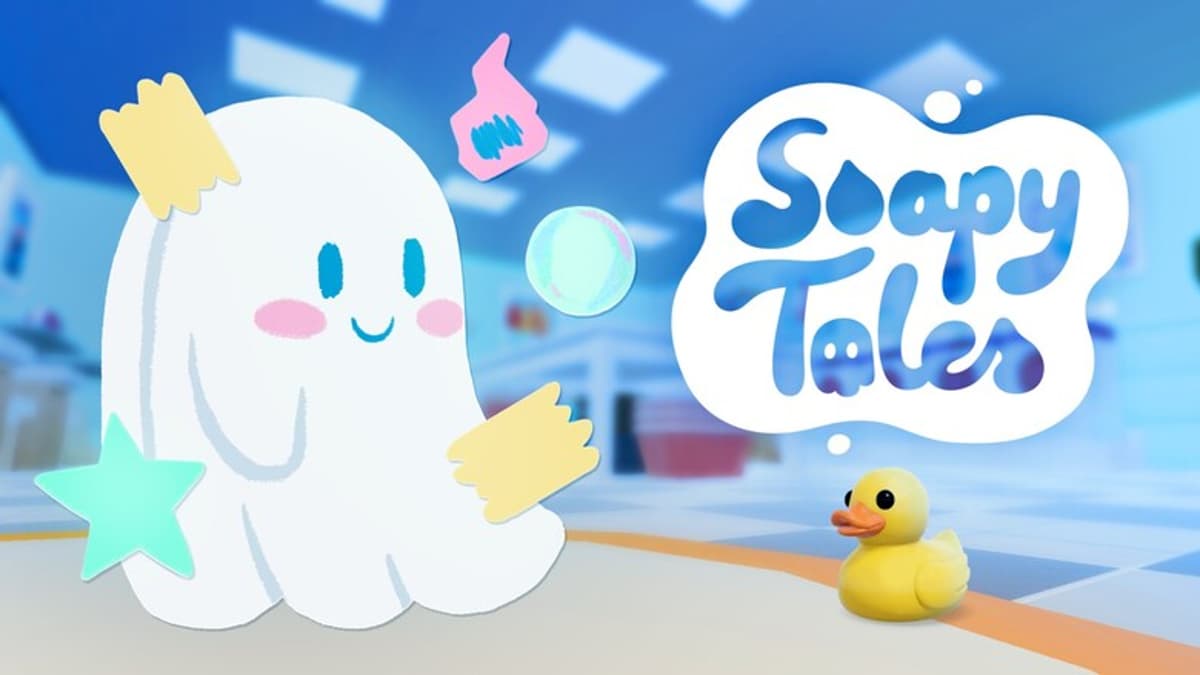
Soapy Tales distinguishes itself through a unique blend of narrative-driven exploration and everyday task management. Players navigate a pastel‑filled world as a ghost with a balanced deed ledger, prompting them to complete chores, upgrade skills via a modest skill tree, and collect artifacts that unlock deeper story layers. The first‑person perspective adds intimacy, while the calming soundtrack reinforces the game’s cozy atmosphere. This design philosophy resonates with the rising “cozy gaming” trend, where titles serve as digital sanctuaries for stress relief and mindfulness.
From a business perspective, the Switch launch expands Soapy Tales’ addressable market, tapping into Nintendo’s estimated 92 million active hardware units worldwide. Porting to a handheld console not only increases visibility but also opens revenue streams through Nintendo eShop promotions and potential bundle deals. Moreover, the move signals a broader industry shift: indie studios are increasingly adopting multi‑platform strategies to mitigate risk and maximize audience reach. As the demand for soothing, portable experiences grows, Soapy Tales’ Switch debut could serve as a case study for successful cross‑platform indie expansion.
Soapy Tales now available on Switch
0
Comments
Want to join the conversation?
Loading comments...