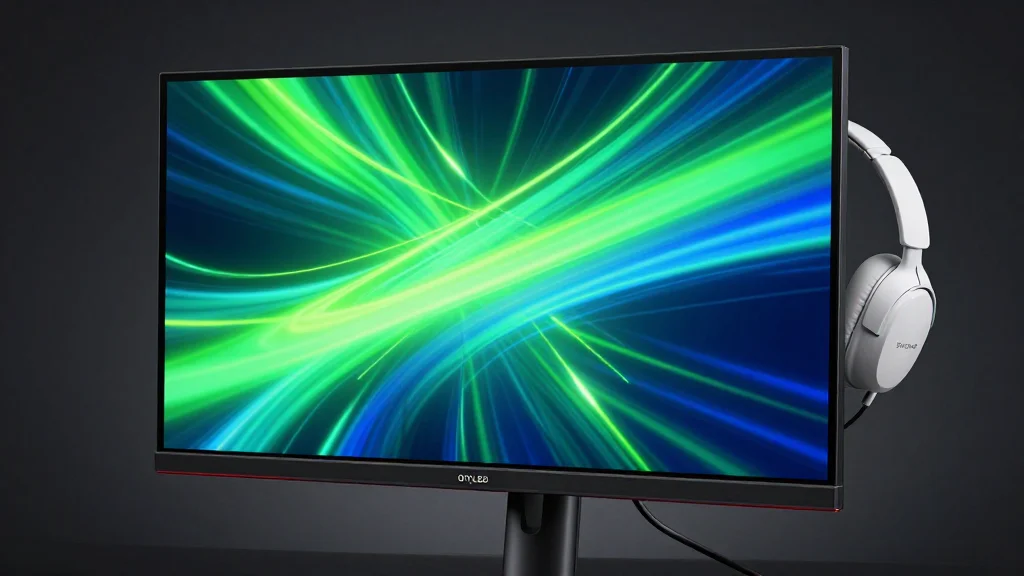
Sony and Fnatic Launch 720 Hz OLED Inzone M10S II Gaming Monitor

Why It Matters
The Inzone M10S II pushes the envelope of refresh‑rate performance, making 720 Hz a realistic option for a subset of esports athletes who prioritize raw speed over resolution. By pairing OLED’s infinite contrast with such high frame rates, Sony challenges the dominance of LCD‑based ultra‑fast panels and could accelerate OLED adoption in high‑end gaming displays. The partnership with Fnatic also illustrates a growing trend of hardware makers co‑creating products with professional teams to ensure that specifications match real‑world competitive needs. If successful, this model may inspire more collaborations, blurring the line between consumer and pro‑grade gear and reshaping pricing dynamics across the monitor market.
Key Takeaways
- •Sony and Fnatic announce the Inzone M10S II OLED monitor
- •Dual‑mode refresh: 540 Hz at 2560 × 1440, 720 Hz at 1280 × 720
- •Launch price set at $1,099.99 (≈ £1,099) with financing options
- •0.02 ms response time and 1,500 cd/m² peak brightness
- •Ergonomic tweaks – anti‑glare coating, –5° to 35° tilt, compact base
Pulse Analysis
Sony’s foray into the ultra‑fast monitor arena is a calculated gamble. Historically, the segment has been dominated by Asus, LG, and Acer, all of which rely on high‑refresh LCD panels. By leveraging an OLED panel sourced from LG, Sony offers superior contrast and deeper blacks, attributes that can translate into clearer target identification in fast‑paced shooters. However, OLED’s susceptibility to burn‑in and higher production costs have kept it out of the mainstream high‑refresh market. Sony’s willingness to price the M10S II above its rivals suggests confidence that the esports community will value the visual edge enough to absorb the premium.
The Fnatic collaboration is more than a marketing hook; it provides Sony with direct access to performance data from top‑tier FPS players. This feedback loop can accelerate iterative improvements, as seen in the monitor’s anti‑glare film and expanded tilt range. Competitors may respond by deepening their own esports partnerships or by cutting prices to retain price‑sensitive buyers. The key risk for Sony is the limited pool of gamers capable of delivering frame rates that actually benefit from 720 Hz. If the majority of the market remains constrained by GPU performance, the M10S II could become a niche prestige product rather than a volume driver.
Looking ahead, the M10S II could set a new performance baseline that forces the industry to rethink the trade‑off between resolution and refresh rate. Should a wave of GPUs finally sustain 500‑plus FPS in mainstream titles, the demand for 720 Hz panels may expand beyond the current esports elite, potentially validating Sony’s premium pricing strategy and cementing OLED as a viable technology for ultra‑fast gaming displays.
Sony and Fnatic launch 720 Hz OLED Inzone M10S II gaming monitor
Comments
Want to join the conversation?
Loading comments...