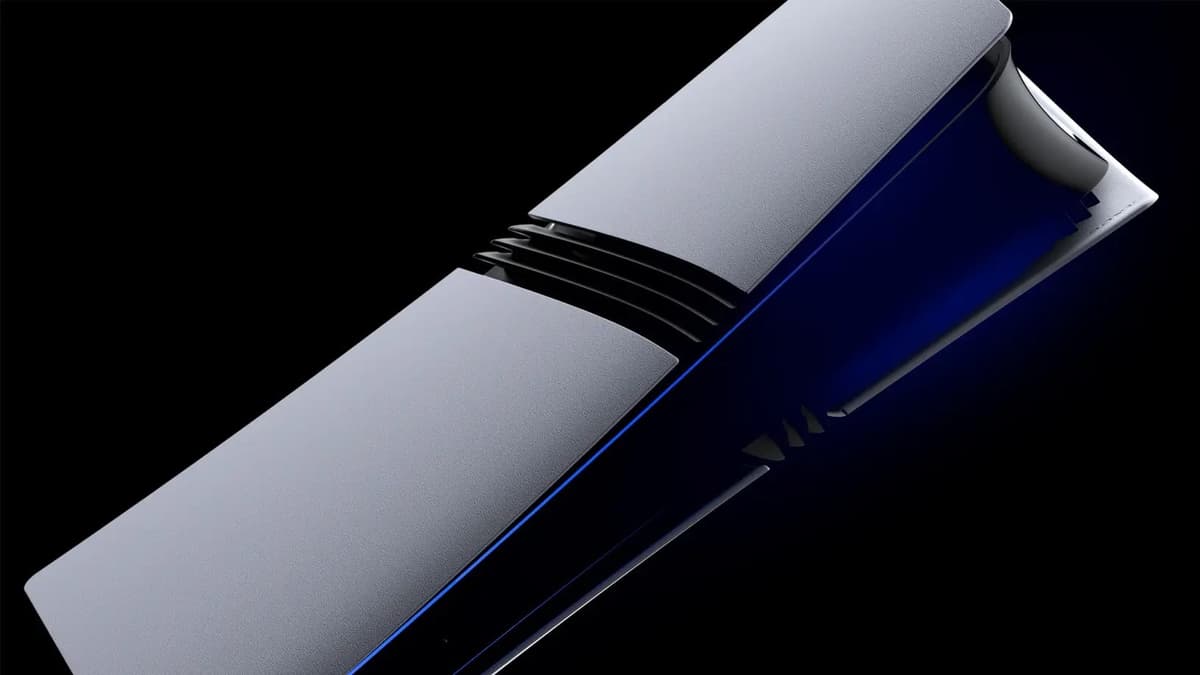
Sony Confirms a Major PS5 Pro Upgrade Is Rolling Out Today with Resident Evil Requiem
•February 27, 2026
0
Why It Matters
The upgrade reasserts Sony’s hardware relevance by narrowing the performance gap with PC‑based upscalers, strengthening the PS5 Pro’s value proposition for premium gamers.
Key Takeaways
- •New PSSR based on AMD FSR 4, replaces older version.
- •Resident Evil Requiem first title using upgraded upscaler.
- •System toggle lets users enable enhanced PSSR on PS5 Pro.
- •Additional games receive upgrade in March via software update.
- •Digital Foundry confirms 4K 60fps quality, minor denoising noise.
Pulse Analysis
Sony’s decision to overhaul the PlayStation 5 Pro’s proprietary upscaler reflects a broader industry shift toward AI‑driven image reconstruction. By adopting AMD’s FSR 4 as the foundation for the new PSSR, Sony leverages a proven, open‑source pipeline that can be refined without hardware changes. This collaboration, dubbed Project Amethyst, positions the console to compete directly with Nvidia’s DLSS and Intel’s XeSS, offering developers a unified path to high‑resolution, high‑frame‑rate experiences across platforms.
The debut of the upgraded PSSR in Resident Evil Requiem showcases tangible benefits. Digital Foundry’s testing indicates the game renders a true 4K output at 60 fps, with sharper textures, clearer signage, and reduced aliasing compared to earlier PS5 Pro builds. While the upscaled image remains subject to Capcom’s denoising algorithm—producing occasional noise in ray‑traced scenes—the underlying upscaler itself performs on par with PC equivalents like DLSS 4.5 and FSR 4. This validation underscores the maturity of console‑level AI upscaling and its capacity to deliver console‑exclusive visual fidelity.
Looking ahead, Sony’s March system software update will enable a toggle for "Enhance PSSR Image Quality," allowing any compatible title to benefit from the new algorithm. This approach reduces the need for per‑title patches, encouraging broader adoption among developers and extending the PS5 Pro’s lifecycle. For consumers, the promise of consistent 4K performance without hardware upgrades could drive incremental sales and reinforce Sony’s premium positioning in a market increasingly defined by visual fidelity and performance parity with high‑end PCs.
Sony confirms a major PS5 Pro upgrade is rolling out today with Resident Evil Requiem
0
Comments
Want to join the conversation?
Loading comments...