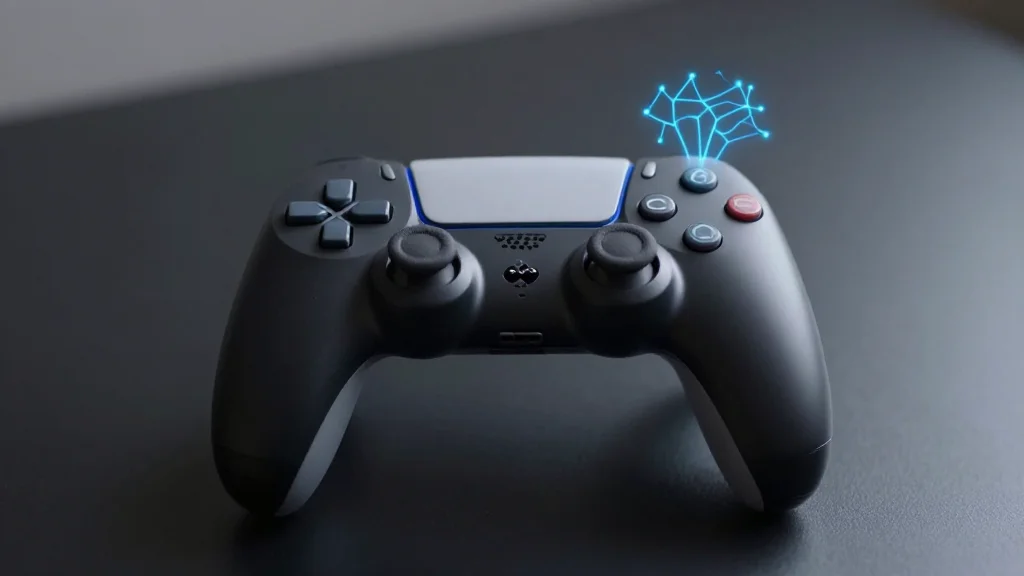
Sony Deploys AI Across PlayStation Studios, Showcases AI‑Enhanced Horizon Zero Dawn Remaster

Companies Mentioned
Sony Interactive Entertainment
Sony
Why It Matters
Sony’s AI rollout signals a shift in how console‑first studios approach game production, potentially compressing development cycles and reducing costs. By automating labor‑intensive tasks such as facial animation and hair modeling, studios can allocate more resources to narrative and gameplay innovation, which could raise the overall quality of PlayStation exclusives. The financial upside is equally significant. The $700 million revenue lift from AI‑optimized payment routing demonstrates that machine‑learning can directly impact the bottom line, while AI‑driven recommendation engines may increase game discoverability and sales in an increasingly crowded market. If Sony’s tools prove scalable, they could set a new industry standard, prompting competitors to adopt similar pipelines or risk falling behind in speed and efficiency.
Key Takeaways
- •Sony announced internal AI tools for all PlayStation Studios, highlighted by Mockingbird facial‑animation system.
- •Horizon Zero Dawn Remaster used AI for facial and hair generation, cutting hours of manual work to seconds.
- •AI‑powered transaction routing has generated over $700 million in incremental PlayStation revenue.
- •Executives stress AI augments, not replaces, human creativity; Hiroki Totoki said “Human creativity still has to be the core of game development.”
- •Pilot partnership with Bandai Namco showed “massive gains in speed and productivity per person.”
Pulse Analysis
Sony’s AI strategy reflects a broader industry trend where console manufacturers are leveraging generative tools to stay competitive against PC‑centric pipelines that already benefit from open‑source AI frameworks. By keeping the technology in‑house, Sony can tightly control data privacy, model training, and integration with proprietary engines, reducing the risk of IP leakage that has plagued other studios. The Mockingbird system, for instance, processes performance‑capture data internally, ensuring that the nuanced expressions of PlayStation’s flagship characters remain unique to Sony’s IP.
Historically, major productivity leaps in gaming have come from hardware advances—think the jump from PS3 to PS4. This time, the catalyst is software. If AI can reliably shave weeks off asset creation, the cost curve for AAA titles could flatten, encouraging more experimental projects that were previously deemed too risky. However, the promise of speed must be weighed against the cultural pushback from artists wary of automation. Sony’s explicit messaging—quoting Nishino and Totoki—aims to pre‑empt union concerns and maintain morale, a tactic that may become a template for other publishers.
Looking ahead, the real test will be whether AI‑enhanced titles deliver measurable quality improvements that resonate with players. The upcoming PS5 Pro launch, featuring AI‑boosted visual fidelity, will serve as a litmus test for consumer acceptance. If players perceive AI‑driven enhancements as genuine upgrades rather than shortcuts, Sony could unlock a virtuous cycle: faster development, richer experiences, higher sales, and further investment in AI. Conversely, any misstep—such as noticeable artifacts or perceived loss of artistic soul—could fuel the backlash already evident in gamer surveys about AI‑altered graphics. Sony’s ability to navigate this tightrope will shape the next decade of console gaming.
Sony Deploys AI Across PlayStation Studios, Showcases AI‑Enhanced Horizon Zero Dawn Remaster
Comments
Want to join the conversation?
Loading comments...