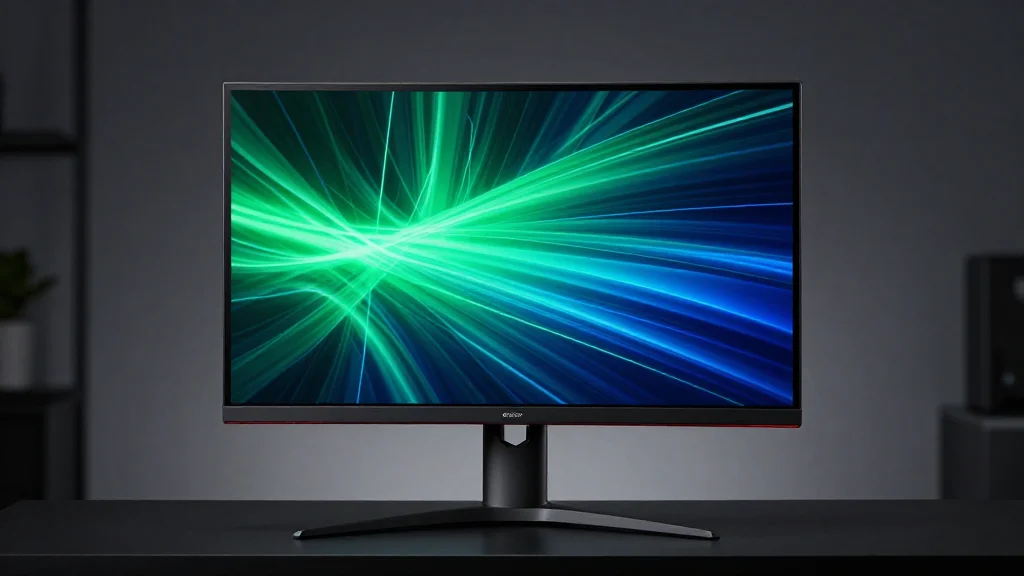
Sony Launches Inzone M10S II Gaming Monitor with 720 Hz Refresh Rate

Companies Mentioned
Why It Matters
The Inzone M10S II pushes the envelope of refresh‑rate technology, forcing the industry to confront the diminishing returns of ultra‑high frame rates versus practical gaming performance. If esports pros adopt the monitor, it could set a new benchmark for competitive hardware, prompting rivals to develop faster panels or alternative solutions such as variable‑refresh technologies. For mainstream gamers, the product highlights the widening gap between cutting‑edge peripherals and the average PC’s ability to drive them, potentially accelerating upgrades in GPU and CPU markets. Moreover, Sony’s entry into the high‑end monitor segment underscores a strategic diversification beyond consoles and accessories. Success could encourage the company to expand its display lineup, influencing supply chains for OLED panels and shaping future pricing dynamics across the premium gaming monitor category.
Key Takeaways
- •Sony’s Inzone M10S II offers 720 Hz refresh at 1080p and 540 Hz at 1440p
- •The 27‑inch monitor uses LG’s WOLED panel and supports Nvidia G‑Sync
- •Priced at $1,100, it targets elite esports players and high‑performance PC gamers
- •Achieving frame rates to fully utilize 720 Hz requires top‑tier hardware
- •Sony’s move signals a deeper push into competitive gaming hardware
Pulse Analysis
Sony’s decision to launch a 720 Hz monitor is a bold statement of intent in a market where refresh‑rate wars have plateaued around 240‑300 Hz. By doubling that ceiling, Sony is betting that the competitive edge offered by marginally smoother motion will translate into measurable performance gains for professional shooters. Historically, each jump in refresh rate has been accompanied by a period of skepticism—think the early 144 Hz era—followed by gradual adoption as hardware catches up. The M10S II could catalyze a similar cycle, prompting GPU manufacturers to prioritize ultra‑high frame output in future driver updates and silicon designs.
However, the monitor’s high price and resolution trade‑off may limit its appeal to a relatively small cohort. Most consumers will find the visual fidelity loss at 1080p unacceptable, especially when 4K and high‑dynamic‑range displays are becoming mainstream. Sony’s gamble rests on the perception that elite players will prioritize speed over pixel count, a belief that aligns with the current esports emphasis on reaction time. If the monitor fails to gain traction among pros, Sony risks a costly misstep that could erode confidence in its peripheral brand.
From a broader industry perspective, Sony’s entry could intensify competition among established monitor makers, potentially driving innovation in adaptive sync technologies, panel efficiency, and cost reduction for OLED production. The ripple effect may also influence game developers to optimize titles for higher frame rates, further blurring the line between console‑grade experiences and PC‑grade performance. In the next 12‑18 months, the market will reveal whether 720 Hz is a fleeting novelty or the next milestone in the relentless pursuit of gaming speed.
Sony Launches Inzone M10S II Gaming Monitor with 720 Hz Refresh Rate
Comments
Want to join the conversation?
Loading comments...