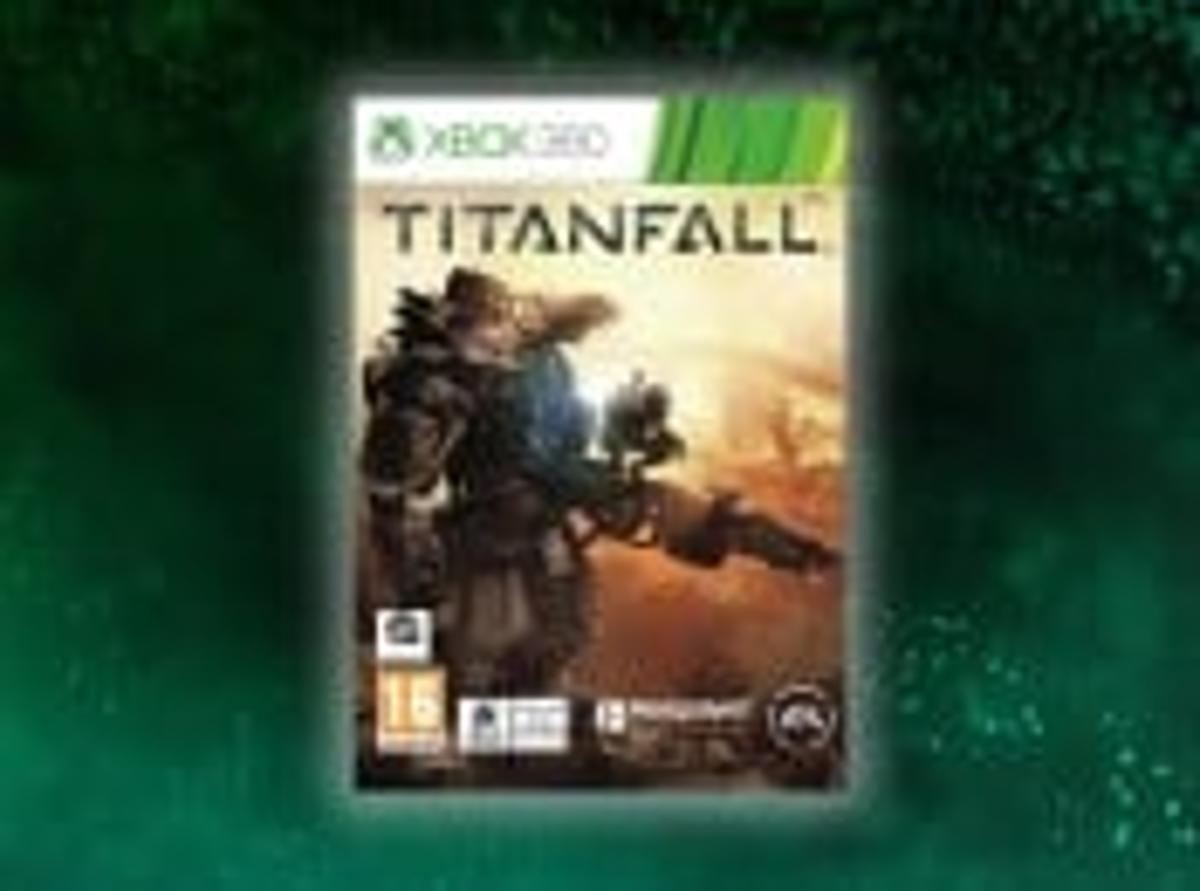
Sony's Bluepoint Games Might Be Gone, But We'll Never Forget Their 'Impossible Port' For Xbox 360
•February 19, 2026
0

Why It Matters
The closure ends a studio renowned for high‑quality remasters and groundbreaking cross‑generation ports, underscoring the volatility of the mid‑size developer market. The Titanfall port demonstrates how innovative engineering can extend a game’s lifespan on legacy hardware, informing future cross‑gen strategies.
Key Takeaways
- •Bluepoint shut down by Sony after major remakes
- •Titanfall port to Xbox 360 required massive engine overhaul
- •Initial frame rate hit 5 fps without textures
- •Assets compressed heavily to fit on a single DVD
- •Xbox 360 community praised the final performance
Pulse Analysis
Bluepoint Games earned a reputation for turning ambitious console experiences into polished remasters, a niche that attracted both critical acclaim and commercial success. Its sudden shutdown by Sony not only removes a key player in the PlayStation ecosystem but also raises questions about the sustainability of studios that specialize in high‑cost, low‑volume projects. While the industry mourns the loss of talent, the studio’s legacy lives on through technical feats like the Titanfall Xbox 360 port, which serves as a case study in extreme optimization.
The Titanfall port was a masterclass in engineering under constraint. Bluepoint’s team discovered that the original Xbox 360 build struggled to maintain a playable frame rate, hovering around five frames per second without textures. To overcome this, they replaced the world renderer, collision, visibility, animation, and audio systems, effectively constructing a “Frankenengine.” Asset pipelines were overhauled, textures heavily compressed, and a custom streaming solution introduced to fit the entire game onto a single DVD. These innovations not only salvaged the title for last‑gen hardware but also set a benchmark for future cross‑generation adaptations.
From a broader perspective, the Titanfall effort illustrates the strategic value of legacy support in an era dominated by rapid hardware turnover. Developers can extract additional revenue and extend a game’s community life by investing in sophisticated down‑scaling techniques, especially when a title’s core gameplay resonates across platforms. However, the resource intensity of such projects can strain mid‑size studios, as evidenced by Bluepoint’s fate. As the industry continues to balance next‑gen ambitions with backward compatibility, the lessons from Bluepoint’s “impossible port” will inform both technical roadmaps and business models.
Sony's Bluepoint Games Might Be Gone, But We'll Never Forget Their 'Impossible Port' For Xbox 360
0
Comments
Want to join the conversation?
Loading comments...