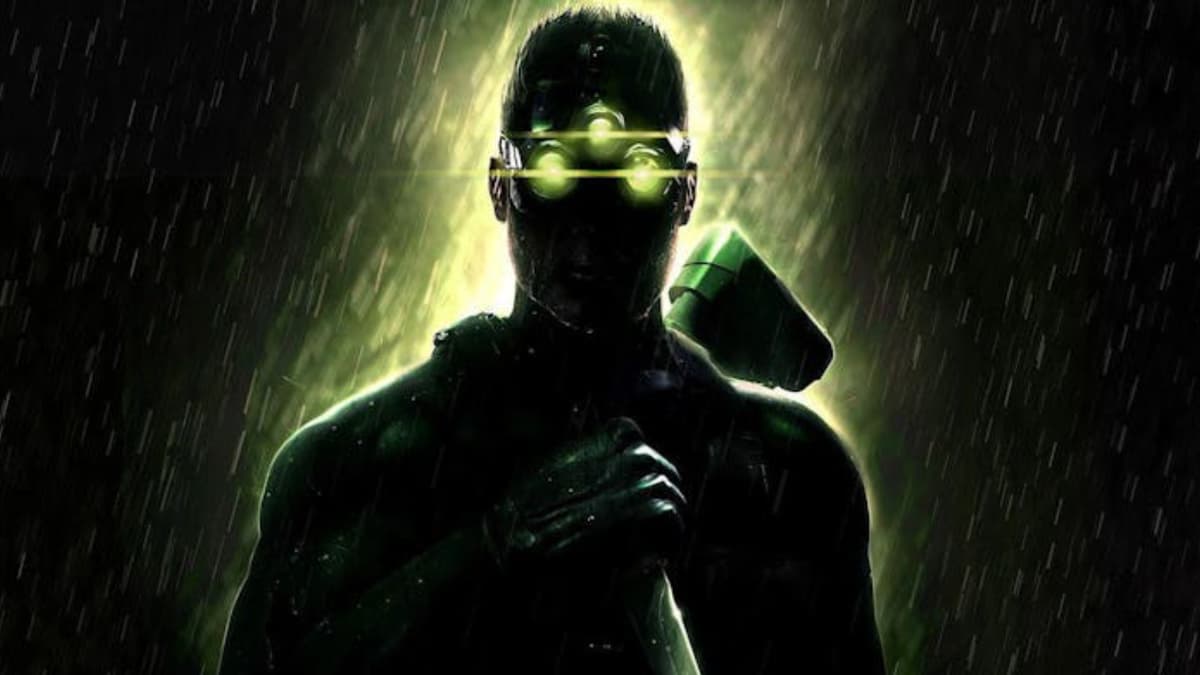
Splinter Cell Designer Says Modern Lighting Has Made Stealth Games Harder to Read
Why It Matters
As lighting realism improves, stealth designers risk sacrificing player comprehension, potentially undermining core gameplay loops and market appeal. Addressing this balance is crucial for future stealth titles to remain engaging and accessible.
Key Takeaways
- •Realistic lighting reduces visual clarity for stealth gameplay
- •Baked lighting in classic titles offered clean, readable shadows
- •Ray‑tracing adds depth but complicates hide‑or‑seek cues
- •Designers must balance realism with gameplay readability
- •New studios may need dedicated lighting pipelines for stealth
Pulse Analysis
The past decade has seen lighting technology leap from static, baked maps to fully dynamic global illumination, ambient occlusion, and real‑time ray‑tracing. While these advances deliver unprecedented visual fidelity, they also blur the stark contrast between light and shadow that classic stealth games relied on. In titles like Tom Clancy's Splinter Cell: Chaos Theory, developers used pre‑computed lighting to create unmistakable safe zones and danger areas, allowing players to make split‑second decisions based on clear visual feedback. Modern engines, however, simulate light diffusion and subtle shadow gradients that can obscure whether a character is truly concealed.
This shift forces designers into a new realm of artistic problem‑solving. The challenge is not merely technical—adding more light sources or higher‑resolution textures—but conceptual: how to convey gameplay intent without sacrificing realism. Hocking points out that theater lighting principles, where illumination is purposefully dramatic, can guide stealth design. By deliberately shaping light direction, color, and intensity, developers can create visual hierarchies that signal safety zones even amid complex shading. Failure to do so can lead to player frustration, as ambiguous lighting makes it difficult to gauge detection risk, eroding the core tension that defines the genre.
Looking ahead, studios may adopt hybrid lighting pipelines that blend realistic rendering with stylized cues. Techniques such as selective desaturation, edge‑highlighting, or overlayed stealth meters can restore readability while preserving modern graphics. Hocking’s new studio, founded on lessons from his Splinter Cell tenure, is poised to experiment with these approaches, potentially setting a new standard for stealth game aesthetics. As the industry continues to push visual boundaries, the ability to harmonize fidelity with functional clarity will become a decisive factor in a game’s commercial and critical success.
Splinter Cell designer says modern lighting has made stealth games harder to read
Comments
Want to join the conversation?
Loading comments...