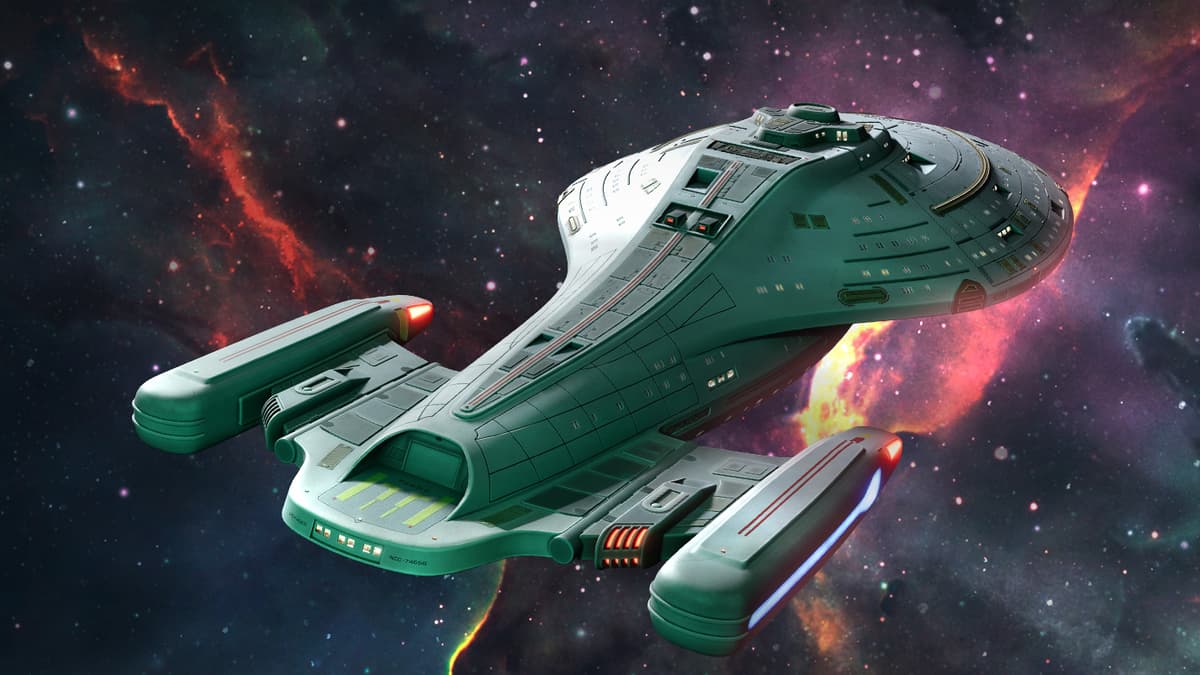
Star Trek: Voyager - Across the Unknown Reinvents TV Storytelling for Survival Strategy - Narrative Notebook #3
Why It Matters
The title demonstrates how legacy IP can be repurposed for modern, systems‑driven gaming, offering fans deeper agency while showcasing a novel framework for episodic narrative integration. It signals a shift toward hybrid experiences that blend cinematic storytelling with survival‑strategy mechanics, influencing future licensed game development.
Key Takeaways
- •Gamexcite's survival‑strategy blends resource management with Star Trek narrative
- •Randomized outcomes turn dialogue choices into high‑stakes gameplay
- •Episode rewrites compress TV arcs into concise, replayable quests
- •Players can alter iconic Voyager events, like saving Kes, for strategic rewards
Pulse Analysis
The release of Star Trek: Voyager – Across the Unknown marks a notable evolution in how television franchises are adapted for interactive media. Rather than a straightforward retelling, Gamexcite leverages a survival‑strategy engine that forces players to juggle ship resources, crew assignments, and combat while navigating story beats drawn from the original series. This hybrid approach mirrors the growing demand for games that offer both narrative depth and meaningful systems, positioning the title at the intersection of fan service and innovative design.
Central to the game’s appeal is its episodic framework, which slices 30 Voyager episodes into 12 sector‑based main quests, side quests, and random events. Each sector mirrors an episode’s core conflict, but the outcomes hinge on probabilistic decision trees, echoing the A‑, B‑, and C‑plot structure of classic TV writing. By embedding resource constraints and random chance, the experience transforms familiar plot points—such as Janeway’s alliance with the Borg—into strategic dilemmas where success is never guaranteed, enhancing replay value and player agency.
From an industry perspective, the title showcases how legacy IP can be reimagined without sacrificing the source material’s spirit. The developers’ willingness to rewrite and merge episodes, like the "Collective" and "Child’s Play" hybrid, demonstrates a pragmatic approach to narrative compression that respects fan nostalgia while delivering a streamlined gameplay loop. This methodology may set a precedent for future licensed games, encouraging studios to treat beloved franchises as modular story assets that can be reshaped for interactive formats, ultimately expanding the commercial viability of classic media in the gaming market.
Star Trek: Voyager - Across the Unknown reinvents TV storytelling for survival strategy - Narrative Notebook #3
Comments
Want to join the conversation?
Loading comments...