Why It Matters
The fan‑driven VR conversion demonstrates strong demand for immersive Star Wars experiences and pressures publishers to accelerate official updates. It also showcases how modders can extend legacy titles, influencing future development strategies.
Key Takeaways
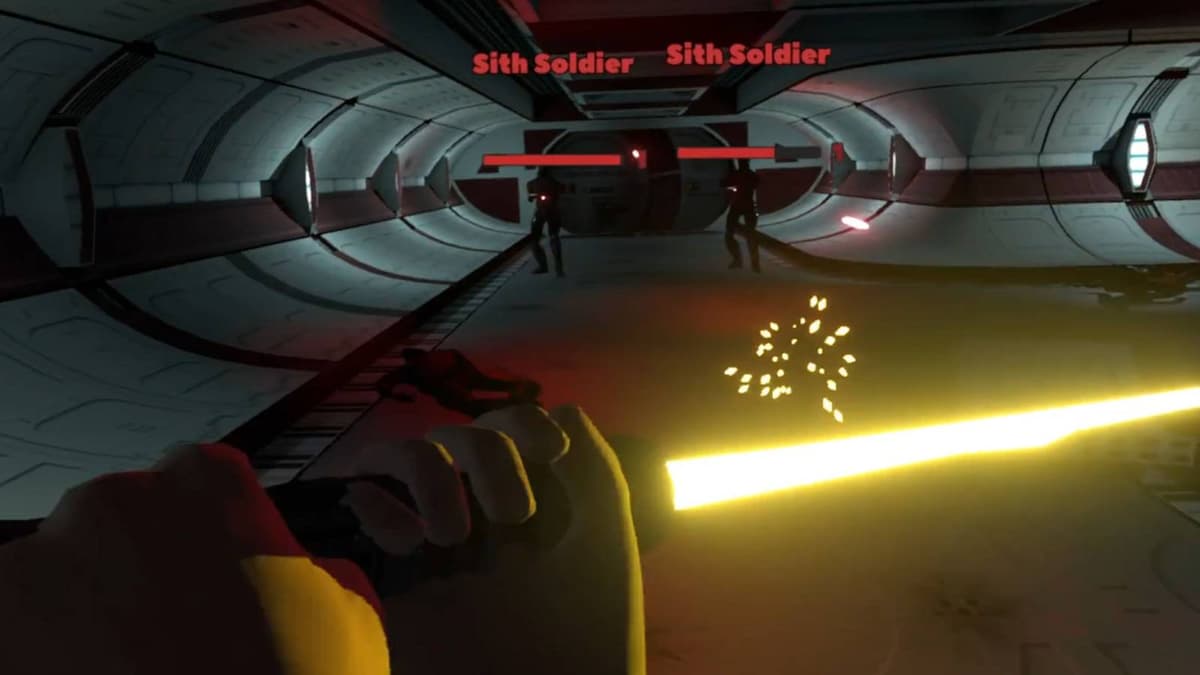
- •Fan creates playable VR prologue for KOTOR using Unity.
- •Animations remain biggest technical hurdle for full VR conversion.
- •Lightsaber mechanics reimagined for immersive, motion‑controlled combat.
- •Environmental destruction and Force powers added beyond original gameplay.
- •Official remake stalled; spiritual successor announced: Fate of Old Republic.
Pulse Analysis
The resurgence of fan‑made projects in the gaming ecosystem reflects a broader shift toward immersive experiences, especially in virtual reality. By leveraging Unity’s cross‑platform capabilities, the KOTOR enthusiast has transformed a classic RPG into a first‑person lightsaber duel, tapping into the growing VR user base that now exceeds 30 million worldwide. This effort not only revives interest in a title that has long lacked a modern remaster but also illustrates how community developers can fill market voids faster than traditional studios, often experimenting with mechanics—like motion‑controlled combat—that larger teams may deem risky.
Technical hurdles dominate the path from concept to full‑scale VR adaptation. The primary challenge cited is preserving character animations without distortion, a common issue when translating legacy skeletal rigs into real‑time 3D environments. Additionally, rebalancing combat systems—shifting from button‑press attacks to physical gestures—requires meticulous tweaking of hit detection and physics. These obstacles, while daunting, provide valuable case studies for other modders aiming to retrofit classic games for VR, fostering a collaborative knowledge base that can accelerate future fan‑driven ports across the industry.
From a business perspective, the fan‑crafted KOTOR VR demo underscores the commercial risk of delayed official releases. Disney and Lucasfilm’s silence on the promised remake has left a vacuum that enthusiastic fans are eager to occupy, signaling to publishers that audience appetite for high‑quality, immersive Star Wars titles remains robust. The upcoming spiritual successor, Star Wars: Fate of the Old Republic, may benefit from this grassroots momentum, potentially integrating community‑tested VR features to differentiate itself. Ultimately, the scenario illustrates how fan innovation can both pressure and inspire corporate strategies, shaping the next wave of legacy game revitalization.
Star Wars: KOTOR Port Being Developed By A Fan
0
Comments
Want to join the conversation?
Loading comments...