Steam Devs Accuse Genshin Impact of 'Straight up Copying' Their Game Idea
Why It Matters
If the claim holds merit, it could raise IP concerns for large publishers and boost visibility for Pipapo’s upcoming game. The dispute highlights how feature borrowing can affect indie developers’ market positioning.
Key Takeaways
- •Map Map’s map‑pinning quest mirrors Genshin’s new event
- •Pipapo’s demo earned multiple 2025 development award nominations
- •MiHoYo has not responded to Pipapo’s plagiarism allegations
- •Indie studio sees the controversy as potential marketing boost
Pulse Analysis
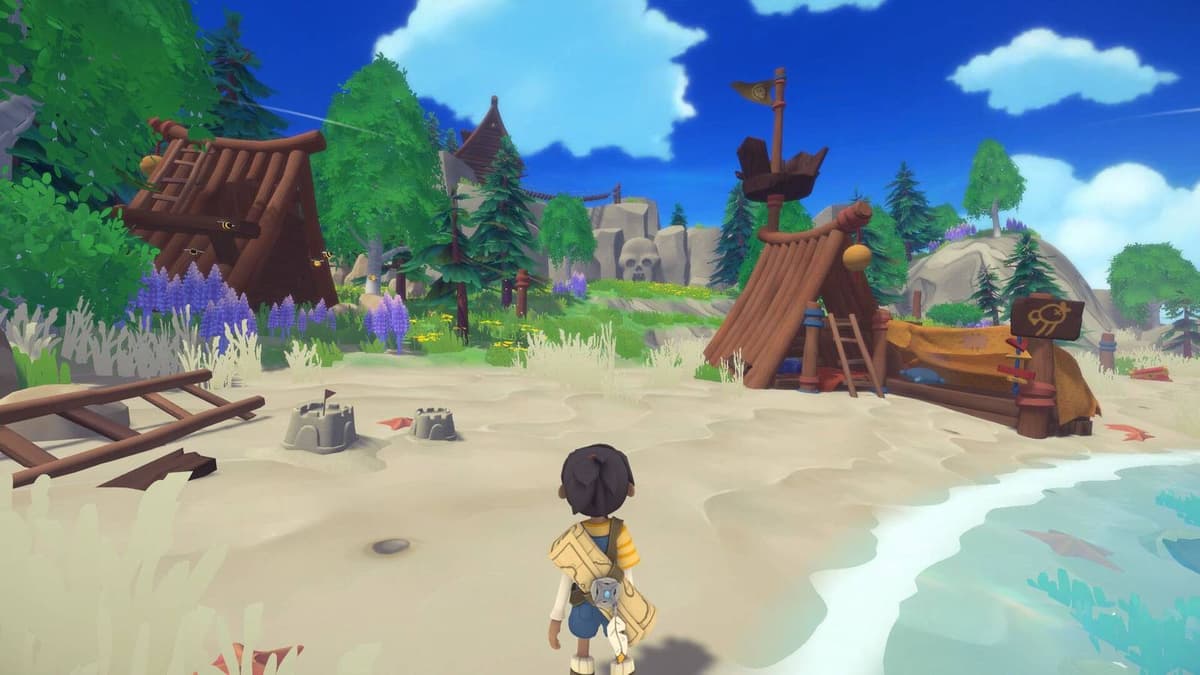
The controversy erupted when Pipapo Games posted a video comparing its upcoming title Map Map with Genshin Impact’s latest surveying quest. While Map Map, still in pre‑release, centers on precise cartographic tools and has been praised in indie circles, Genshin introduced a timed event that asks players to locate coordinates on a map, scoring them on accuracy. The visual and functional overlap prompted Pipapo to accuse miHoYo of "straight up copying" a concept they have nurtured for years, sparking a debate about originality versus convergent design in the gaming industry.
From a legal perspective, the dispute touches on the murky area of game mechanics protection. Unlike narrative or artistic assets, gameplay systems are rarely granted strong copyright, making it difficult for Pipapo to pursue formal action. However, the publicity surrounding the claim could serve as free marketing, amplifying awareness of Map Map ahead of its launch. Indie developers often rely on niche exposure, and a high‑profile accusation against a multi‑billion‑dollar franchise can translate into heightened community interest, potential publisher attention, and early sales momentum.
The episode also reflects a broader trend where major studios adopt mechanics popularized by smaller titles, intentionally or inadvertently. As live‑service games like Genshin continuously roll out limited‑time events, they risk overlapping with indie innovations, prompting calls for clearer industry guidelines. For developers, the lesson is twofold: protect unique ideas through early demos and community engagement, and consider leveraging any perceived infringement as a promotional lever rather than a purely adversarial battle.
Steam devs accuse Genshin Impact of 'straight up copying' their game idea
Comments
Want to join the conversation?
Loading comments...