Steam Week in Review: Another Online Shooter Winds Down Weeks After Launch, as Robot Cowboys Take Over
Why It Matters
The stark performance gap illustrates that revenue and player retention now depend more on community engagement than development budget, reshaping investment strategies in the PC gaming market.
Key Takeaways
- •Far Far West ranks third in Steam revenue, 47k concurrent players
- •Evil Raptor’s eight‑person team achieved hit despite early‑access label
- •Last Flag fell to 35 players, pausing major updates
- •Indie multiplayer success hinges on community support, not budget
Pulse Analysis
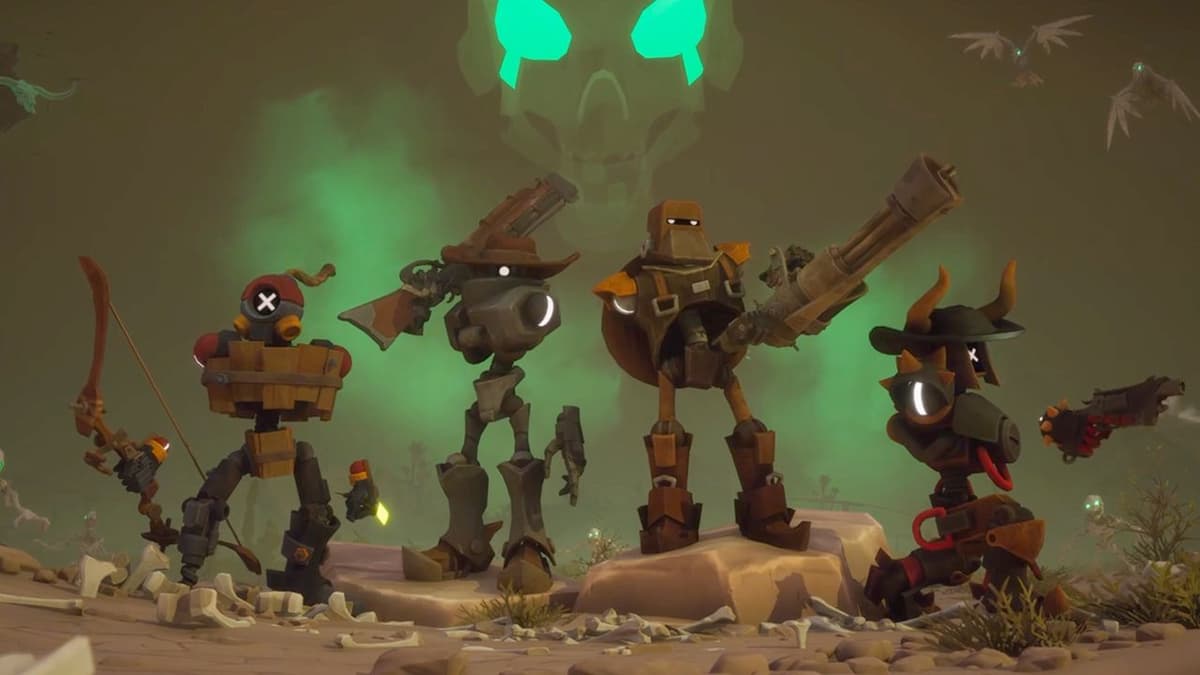
The Steam marketplace continues to defy conventional wisdom about multiplayer launches. While legacy franchises still dominate headline numbers, the week ending May 3 revealed that an early‑access cooperative shooter can eclipse big titles in revenue. Far Far West’s blend of Left 4 Dead‑style co‑op action and a single‑player mode resonated with players seeking both teamwork and solo play, driving 47,300 concurrent users and securing the third‑best‑selling spot by revenue. This performance challenges the assumption that only fully polished, high‑budget releases can capture market share.
Behind Far Far West’s surge are several strategic advantages. Evil Raptor leveraged a lean development team to iterate quickly, pricing the game competitively and fostering a community through frequent updates and open feedback loops. The early‑access model allowed the studio to refine gameplay based on real‑time player data, creating a product that felt responsive and fresh. Moreover, the inclusion of a single‑player component broadened its appeal beyond pure co‑op enthusiasts, expanding the potential audience without inflating development costs.
Conversely, Last Flag’s decline to 35 concurrent players illustrates the perils of chasing broad appeal without a clear identity. Night Street Games’ decision to shift focus toward community‑generated content reflects a growing trend where developers empower players to sustain longevity. For investors and publishers, these divergent outcomes signal that success now hinges on cultivating engaged communities, agile post‑launch support, and realistic expectations about revenue versus player count. Studios that prioritize replayability and player agency are better positioned to navigate the volatile indie multiplayer landscape.
Steam week in review: Another online shooter winds down weeks after launch, as robot cowboys take over
Comments
Want to join the conversation?
Loading comments...