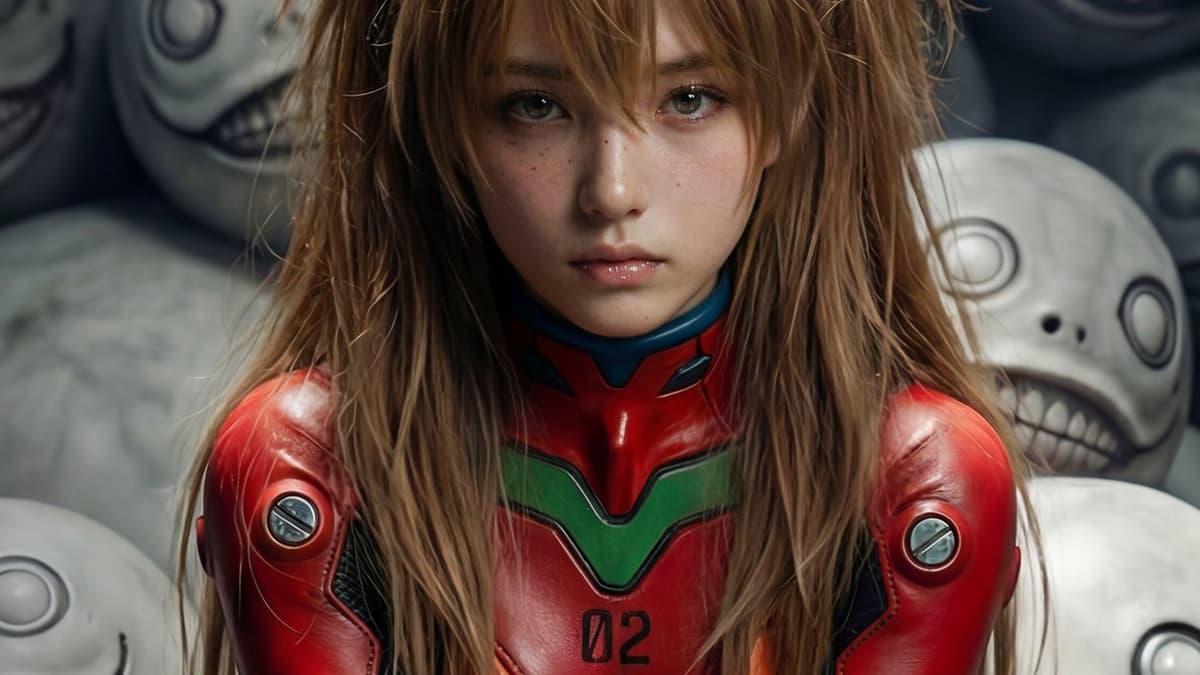
Stellar Blade Director Clashes with Nier Automata Designer Following Accusations of an AI-Generated Celebratory Image
•February 27, 2026
0
Why It Matters
The incident underscores how AI tools can strain relationships between creators and studios, potentially affecting brand trust and future collaborations. It also spotlights the growing ethical and legal challenges surrounding AI‑generated content in video games.
Key Takeaways
- •Kim shared AI‑styled Evangelion image featuring Emil heads.
- •Matsushita accused Kim of misusing his design via AI.
- •Kim cited AI as solution to Korean dev manpower gap.
- •Public apology referenced blocking error, not image controversy.
- •Dispute highlights AI ethics and creator credit in gaming.
Pulse Analysis
The controversy began when Hyung‑Tae Kim, director of the upcoming action‑RPG Stellar Blade, posted a celebratory illustration for Yoko Taro’s Evangelion venture. The artwork merged Asuka’s red plugsuit with a pile of smiling Emil heads, a design element synonymous with Nier: Automata. Yoshikaze Matsushita, who originally sculpted the Emil mask, quickly flagged the piece as likely AI‑generated, arguing that his intellectual property had been repurposed without consent. Kim’s subsequent apology focused on a technical blocking issue rather than addressing the core grievance, leaving many observers questioning the sincerity of the response.
Beyond the personal spat, the episode reflects a broader tension in the gaming sector as developers turn to generative AI to accelerate production. At a recent Korean industry briefing, Kim argued that AI could enable a single artist to perform the work of a hundred, a claim that resonates with studios facing talent shortages and competition from larger Chinese firms. However, the ease of AI‑driven content creation raises concerns about originality, attribution, and the erosion of artistic labor standards. Matsushita’s reaction highlights the fear among veteran creators that AI may dilute the value of handcrafted design and undermine the cultural cachet of iconic assets.
For publishers and fans alike, the fallout illustrates the reputational stakes tied to AI adoption. Missteps can alienate core audiences, as Matsushita hinted he may boycott future Shift Up releases. Companies must therefore balance efficiency gains with transparent credit practices and clear communication about AI usage. As the industry navigates this evolving landscape, establishing robust guidelines for AI‑generated art will be crucial to preserving creator rights and maintaining consumer trust.
Stellar Blade director clashes with Nier Automata designer following accusations of an AI-generated celebratory image
0
Comments
Want to join the conversation?
Loading comments...