Companies Mentioned

Valve
Why It Matters
The revised system reshapes esports revenue streams, potentially increasing player earnings but straining org‑player relationships, which could influence contract negotiations across the industry.
Key Takeaways
- •Valve's sticker system allocates a fixed player cut of total revenue
- •Lower‑ranked orgs may earn less as player shares increase
- •Existing contracts clash with new model, sparking player‑org disputes
- •Performance‑based payouts could boost earnings for top‑finishing teams
- •Capsule purchases remain optional, but stickers now sell individually
Pulse Analysis
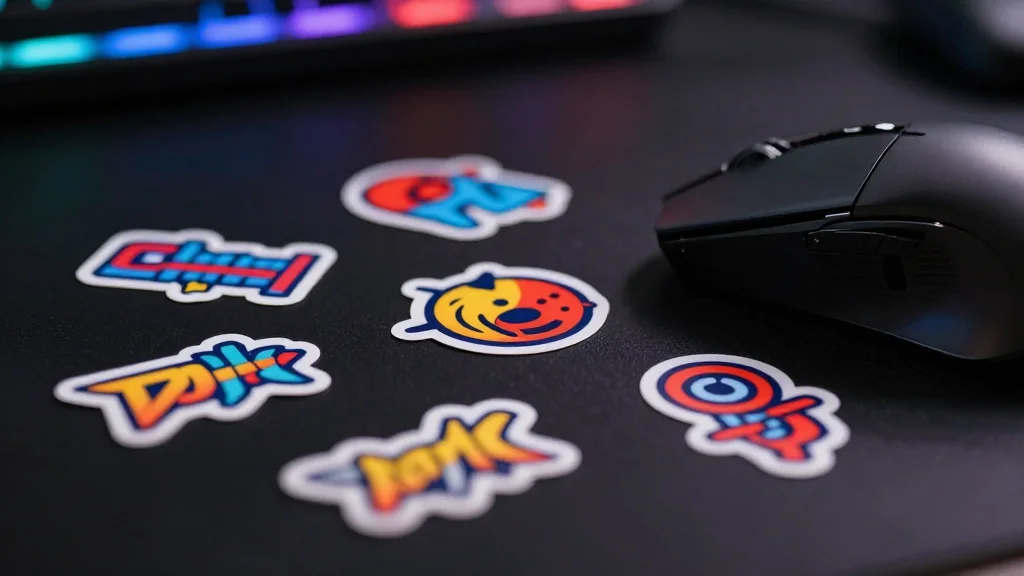
Valve's overhaul of the IEM Cologne Major sticker economy marks a pivotal shift in esports monetization. By assigning a predetermined percentage of the global sticker pool directly to players, the company aims to reward individual performance and fan engagement. This model diverges from traditional revenue splits where teams collected the bulk of sticker sales, creating a more transparent earnings structure that aligns player incentives with tournament outcomes. Industry observers note that such a move could set a precedent for other major events, prompting a reevaluation of how digital collectibles generate income for both talent and organizations.
The new framework, however, has ignited friction among stakeholders. Many organizations operate under legacy contracts that guarantee a share of sticker proceeds to the team, not the individual athletes. As the player cut expands, lower‑tier teams risk seeing a contraction in their overall revenue, potentially affecting operational budgets and roster stability. Early disputes have already surfaced, with some players demanding contract revisions to reflect the updated distribution model. This tension underscores a broader challenge in esports: balancing innovative revenue streams with existing business agreements.
From a consumer perspective, the shift also influences purchasing behavior. While capsules—bundles of random stickers—remain available, fans can now acquire specific player stickers directly, a feature that may boost overall sales volume. The optional nature of capsules preserves the traditional loot‑box appeal, yet the transparency of individual sticker pricing could attract a more dedicated fan base willing to support favorite players. As the IEM Cologne Major approaches, the industry will watch closely to gauge the financial impact of Valve's strategy and its ripple effects across sponsorships, player contracts, and future tournament economics.
Sticker fans come here ft. messioso
Comments
Want to join the conversation?
Loading comments...