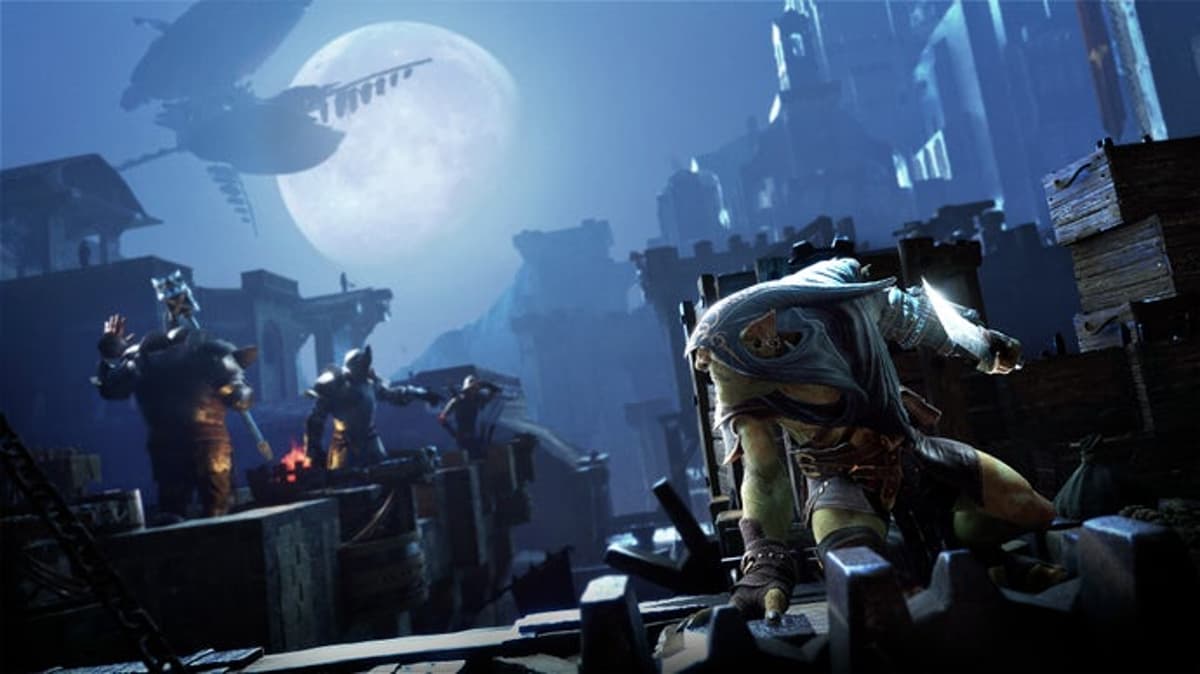
Styx Blades of Greed Publishers Nacon File for Insolvency, Will "Assess All Possible Solutions" To "Protect Employees and "Preserve Jobs"
•February 25, 2026
0
Why It Matters
The insolvency highlights the fragility of gaming publishers tied to financially stressed parent companies, potentially reshaping creditor dynamics and employment stability in the European video‑game sector.
Key Takeaways
- •Nacon files for judicial reorganisation insolvency.
- •Bigben Interactive missed partial bond loan repayment.
- •Aim: protect staff, preserve jobs, renegotiate debts.
- •Court decision expected early March; shares suspended.
- •March 4 showcase proceeds with new game announcements.
Pulse Analysis
Nacon’s insolvency filing underscores how tightly linked subsidiaries can be to the fiscal health of their majority owners. When Bigben Interactive defaulted on a partial bond repayment, the ripple effect forced Nacon into French judicial reorganisation proceedings, a legal framework that allows companies to pause creditor actions while crafting a sustainable recovery plan. This move is designed to shield the publisher’s workforce and maintain operational continuity, especially important given its portfolio of mid‑tier titles that rely on steady cash flow and market confidence.
For creditors and investors, the situation presents both risk and opportunity. The upcoming court decision will determine whether Nacon can secure a restructuring agreement that satisfies bondholders while preserving enough liquidity to fund ongoing projects. In the short term, the company’s share price remains suspended, reflecting market uncertainty. Yet Nacon’s commitment to its March 4 showcase signals an intent to keep development pipelines active, potentially bolstering its negotiating position by demonstrating viable product pipelines and future revenue streams.
The broader industry watches closely, as Nacon’s case may foreshadow similar challenges for other mid‑size publishers dependent on larger conglomerates. Financial distress at the parent level can trigger cascading restructurings, prompting tighter due‑diligence from investors and a reassessment of risk exposure in the gaming sector. Stakeholders should monitor the court’s ruling, creditor negotiations, and any strategic pivots Nacon announces, which could include asset sales, partnership deals, or a shift toward more resilient business models.
Styx Blades of Greed publishers Nacon file for insolvency, will "assess all possible solutions" to "protect employees and "preserve jobs"
0
Comments
Want to join the conversation?
Loading comments...