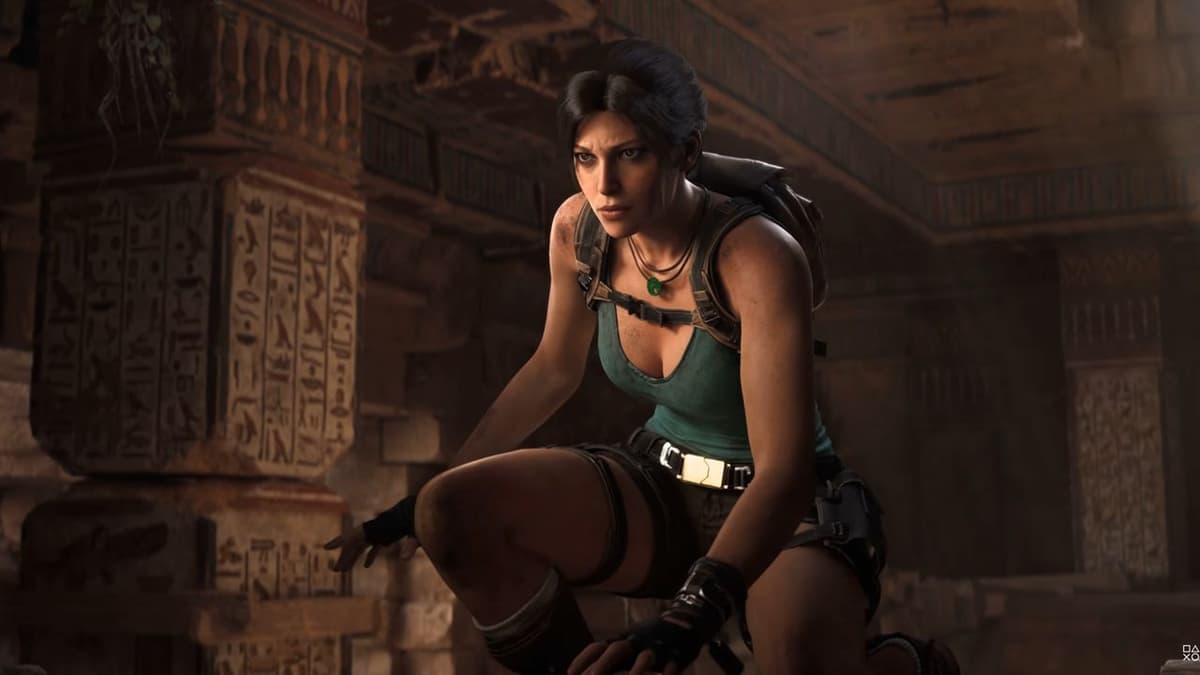
Summer Game Fest Is Here, so Get Ready for a Lot of, 'Ugh, that Game with the Cool Trailer Used AI'
Why It Matters
AI disclosures signal a shift toward greater transparency in game development, affecting consumer trust and industry standards as studios balance efficiency with artistic integrity.
Key Takeaways
- •Crystal Dynamics used AI for early concept work, then replaced assets.
- •Steam page now requires AI usage disclosure for transparency.
- •Community reaction mixes disappointment with acceptance of limited AI use.
- •Tomb Raider: Legacy of Atlantis delayed to February 12, 2027.
- •Summer Game Fest likely to feature more AI disclosures in upcoming titles.
Pulse Analysis
The integration of generative AI into video‑game pipelines is moving from experimental labs to production floors, prompting studios to confront both creative opportunities and public scrutiny. While AI can accelerate concept iteration, it also raises questions about originality, copyright, and the authenticity of the player experience. Regulators and platform holders are beginning to demand clearer labeling, and developers who pre‑emptively disclose AI involvement may gain a competitive edge by building trust with a skeptical audience.
In the case of Tomb Raider: Legacy of Atlantis, Crystal Dynamics employed AI tools to generate early‑stage assets, then substituted or refined those elements with human craftsmanship before finalizing the game. This hybrid approach reflects a pragmatic compromise: leveraging AI’s speed without sacrificing the franchise’s iconic visual identity. However, the community’s mixed reaction—ranging from disappointment over perceived shortcuts to acceptance of limited AI use—highlights a growing expectation that studios be forthright about their methods. The explicit Steam disclosure sets a precedent that could become a norm for high‑profile releases.
Looking ahead, Summer Game Fest will likely showcase a wave of titles that include similar AI disclosures, turning transparency into a market differentiator. Publishers that articulate how AI enhances rather than replaces human talent may attract both investors and players seeking authentic experiences. Conversely, opaque practices risk backlash, potential boycotts, and regulatory scrutiny. As AI tools mature, the industry must balance efficiency gains with the preservation of creative integrity, shaping the future of game development and consumer confidence.
Summer Game Fest is here, so get ready for a lot of, 'Ugh, that game with the cool trailer used AI'
Comments
Want to join the conversation?
Loading comments...