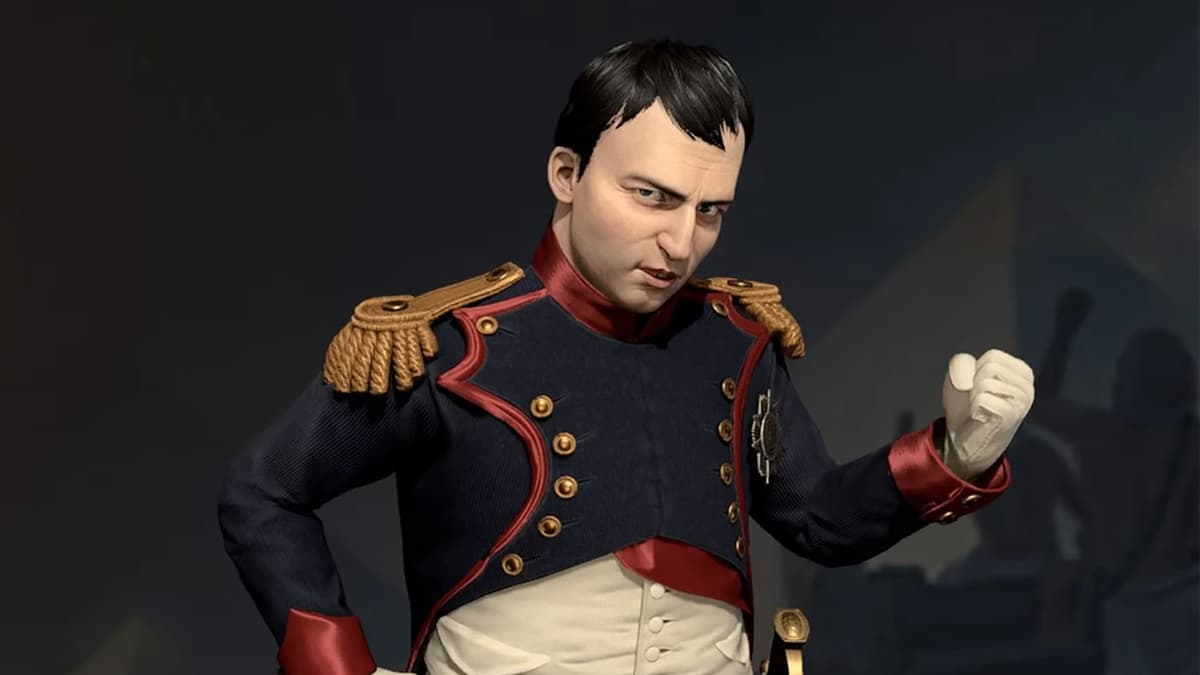
Take-Two CEO Admits Civilization VII Changes Went Too Far; “We Got It Wrong”
Why It Matters
The admission and rapid patch signal Take‑Two’s willingness to prioritize community feedback, crucial for retaining a franchise with a dedicated, revenue‑driving fan base. Successful remediation could restore confidence in premium live‑service models for legacy titles.
Key Takeaways
- •Firaxis adds optional single‑civ mode in free Test of Time update
- •New Syncretism and Affirmation mechanics balance single‑civ gameplay
- •Triumphs system replaces Legacy Paths, offering flexible victory goals
- •Map generation and Advisor Council receive quality‑of‑life improvements
- •Take‑Two CEO publicly admits misstep, signals stronger player‑feedback loop
Pulse Analysis
The launch of Civilization VII highlighted a growing tension in the gaming industry: how to innovate without alienating a loyal fan base. Firaxis attempted a bold redesign by mandating civilization swaps each Age, a move meant to freshen the formula but one that clashed with the series’ core identity. Critics praised the ambition, yet the player community—particularly on Steam—voiced frustration, resulting in engagement metrics that fell short of Take‑Two’s expectations. This scenario underscores the risk premium franchises face when they deviate sharply from established mechanics, especially in an era where real‑time feedback can quickly shape a title’s reputation.
In response, the free "Test of Time" update reintroduces player choice, allowing a single civilization to persist throughout a game. The addition of Syncretism and Affirmation systems aims to keep the single‑civ experience rewarding, while the new Triumphs framework replaces Legacy Paths with more adaptable victory conditions. Quality‑of‑life upgrades—such as improved map generation, a Fractal Continent map type, and a revamped Advisor Council—address longstanding user requests. These changes not only rectify the immediate gameplay concerns but also demonstrate a commitment to iterative development, a model increasingly common among AAA publishers seeking to extend a game's lifespan post‑launch.
Take‑Two’s public acknowledgment of the misstep, coupled with swift corrective action, sends a clear message to investors and gamers alike: the company values community sentiment and is prepared to act decisively. If the update restores player confidence, it could reinforce the viability of live‑service patches for premium titles, encouraging other studios to adopt similar responsive strategies. Conversely, a lukewarm reception would highlight the limits of post‑launch fixes for core design flaws, prompting a reevaluation of how far developers should push innovation in beloved franchises.
Take-Two CEO admits Civilization VII changes went too far; “we got it wrong”
Comments
Want to join the conversation?
Loading comments...