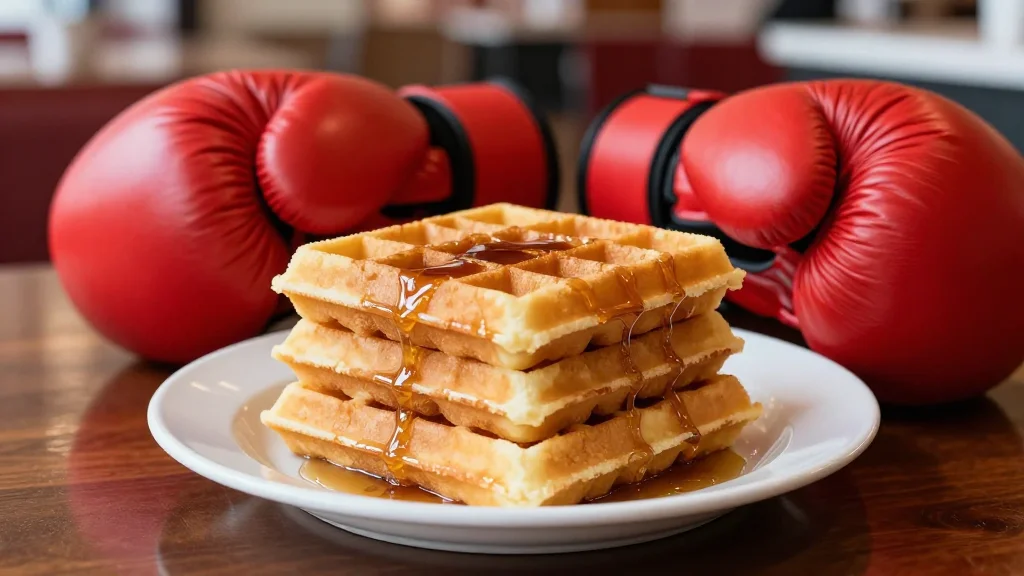
Tekken Director Katsuhiro Harada Visits Waffle House, Fans Hope for New Stage

Companies Mentioned
Why It Matters
Harada’s Waffle House visit illustrates the growing power of fan communities to shape development priorities in major franchises. By publicly engaging with a meme that has persisted for years, the director signals that community sentiment can influence content decisions, potentially accelerating the inclusion of fan‑requested stages or features. For the broader gaming industry, this moment underscores the importance of social media as a feedback loop, where developers can test concepts in real time and gauge legal or commercial viability before committing resources. If Bandai Namco ultimately secures a licensing deal to feature Waffle House, it would mark a new era of cross‑industry collaborations, blending real‑world brands with virtual combat arenas. Such partnerships could diversify revenue streams, attract non‑gaming audiences, and set a template for other franchises seeking to capitalize on internet culture while navigating trademark complexities.
Key Takeaways
- •Katsuhiro Harada posted a photo of his May 24, 2026 Waffle House visit, buying a $5 menu
- •Fans have campaigned for a Waffle House stage since 2022, citing trademark hurdles in 2024
- •Harada left Bandai Namco in 2025 to launch VS Studio but remains influential in Tekken decisions
- •Bandai Namco announced Baki’s Yujiro Hanma will join Tekken 8, showing openness to new content
- •A Waffle House stage would be the first Tekken location based on a real‑world brand, potentially opening licensing revenue
Pulse Analysis
Harada’s casual tweet is more than a personal anecdote; it functions as a strategic touchpoint between developer and community. In an era where esports viewership and streaming drive franchise longevity, aligning game content with viral memes can boost engagement metrics and extend a title’s cultural relevance. The Waffle House meme has persisted because it taps into the late‑night gaming grind—a shared experience for many players. By acknowledging it, Harada validates that experience, reinforcing brand loyalty.
From a business perspective, the potential licensing of a real‑world restaurant could diversify Tekken’s revenue beyond traditional game sales and DLC. However, the legal complexities that halted earlier attempts remain significant. Negotiating a deal would require revenue‑sharing agreements, brand guidelines, and possibly co‑marketing initiatives. If successful, it could pave the way for other franchises—like Street Fighter or Mortal Kombat—to incorporate recognizable venues, creating a new sub‑genre of location‑based fighting stages.
Strategically, Bandai Namco appears to be testing the waters. The simultaneous rollout of new characters and the heightened fan chatter around Waffle House suggest a two‑pronged approach: expand the core roster to attract competitive players while leveraging community‑driven stage concepts to keep the broader audience engaged. Should the Waffle House stage materialize, it would likely debut as a post‑launch DLC, allowing the company to assess demand without risking the base game’s launch schedule. This incremental model reflects a broader industry trend toward live‑service updates that keep titles fresh long after release.
Tekken Director Katsuhiro Harada Visits Waffle House, Fans Hope for New Stage
Comments
Want to join the conversation?
Loading comments...