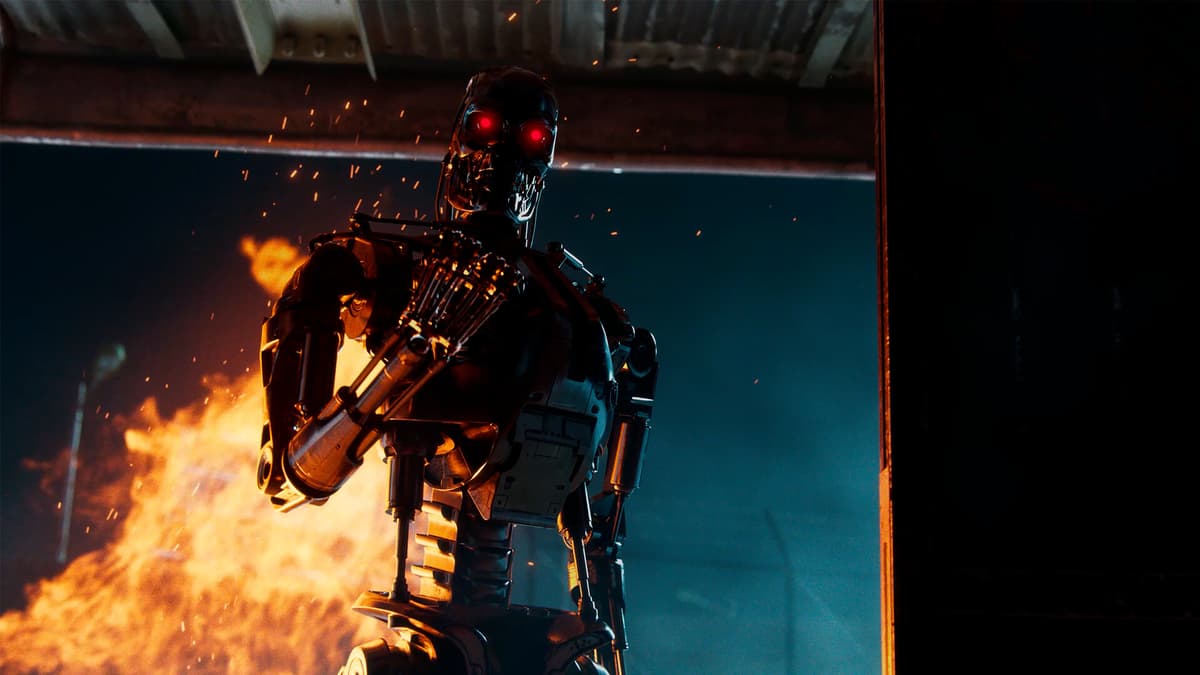
Terminator: Survivors Studio Discusses Its Vision for an Open World That’s “Moving Around You”
•March 2, 2026
0
Why It Matters
The update signals a strategic shift toward deeper immersion in a flagship sci‑fi franchise, affecting expectations for open‑world shooters and the franchise’s market momentum.
Key Takeaways
- •Studio delays release to 2025, no new date
- •Open-world design emphasizes dynamic, moving environment
- •Player agency includes combat, stealth, vehicle traversal
- •Co-op mode cancelled to focus on authentic experience
- •Future posts will detail world-building and timeline impact
Pulse Analysis
The Terminator franchise has long been synonymous with high‑stakes, cinematic action, and its latest video‑game incarnation aims to translate that DNA into an open‑world format. By postponing the early‑access window to 2025, Nacon Studio Milan acknowledges the technical and narrative complexities of marrying a sandbox environment with the series’ tightly scripted lore. This delay aligns the title with industry trends where developers prioritize polish over rushed releases, especially for IPs with devoted fanbases that demand fidelity to source material.
At the heart of the studio’s roadmap is a world that feels alive—Skynet patrols, dynamic weather, and reactive points of interest that evolve as players traverse the wasteland. Such a design pushes beyond static map layouts, requiring sophisticated AI and procedural systems to ensure encounters remain fresh whether approached on foot, in a vehicle, or via stealth. This emphasis on environmental responsiveness promises to deepen player agency, offering multiple combat styles—from sniper precision to close‑quarters shotgun blasts—while preserving narrative relevance.
Strategically, the decision to drop co‑op mode underscores a commitment to an “authentic Terminator experience,” focusing resources on single‑player depth rather than diluted multiplayer features. This move may resonate with purists seeking a story‑driven journey, but it also narrows the game’s appeal in a market where cooperative play drives longevity. As Nacon promises future updates on world‑building and timeline placement, the industry will watch how these choices influence both fan reception and the broader evolution of open‑world action titles.
Terminator: Survivors Studio Discusses its Vision for an Open World That’s “Moving Around You”
0
Comments
Want to join the conversation?
Loading comments...