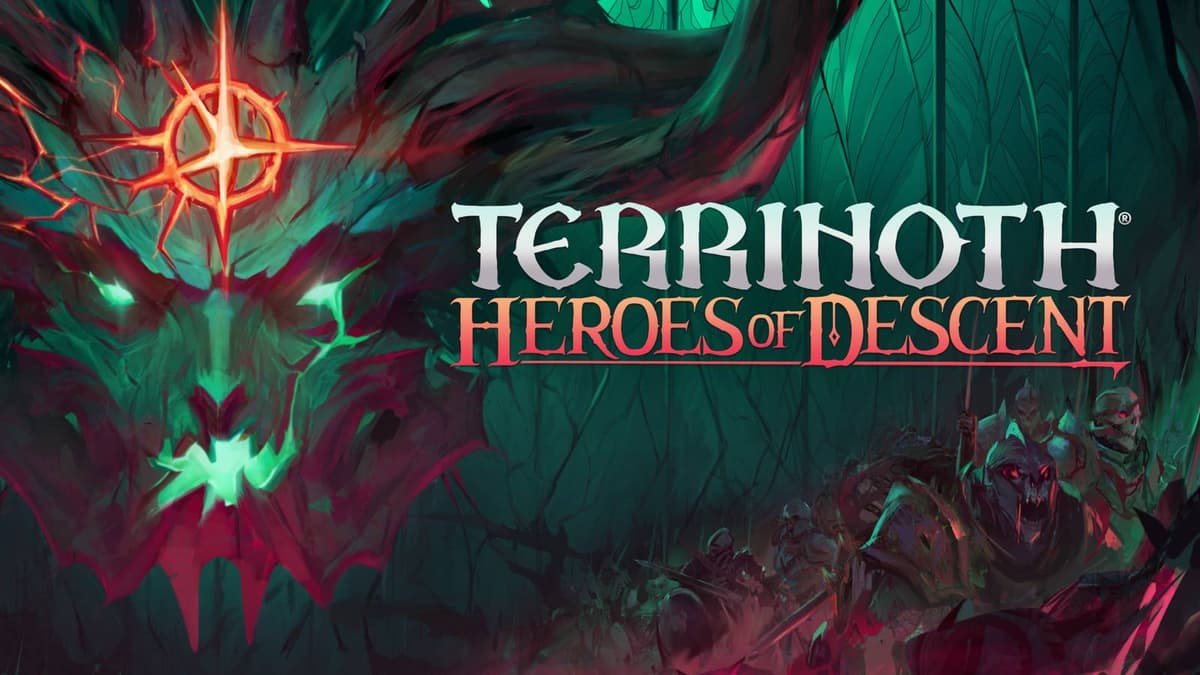
Terrinoth: Heroes of Descent Review: An RPG That Streamlines Combat
Companies Mentioned
Why It Matters
The title illustrates the risk of over‑simplifying RPG mechanics for casual play, a trend that could shape future adaptations of tabletop franchises. Developers must balance accessibility with the depth that core RPG fans expect to retain market relevance.
Key Takeaways
- •Combat system uses 3 Action Points per turn, rewarding tactical choices
- •No out‑of‑mission character interaction limits player attachment
- •Simplified gear slots force trade‑offs between boosts and consumables
- •Story and worldbuilding are shallow, reducing overall immersion
Pulse Analysis
The RPG market has surged in 2026, driven by titles like Baldur’s Gate 3 that blend deep narrative with complex mechanics. Publishers are now eyeing board‑game adaptations as low‑risk pipelines, hoping to capture both tabletop fans and mainstream gamers. Terrinoth: Heroes of Descent follows this playbook, borrowing heavily from the Descent franchise while aiming for a quick‑play experience that can be enjoyed in short sessions with friends.
Terrinoth’s core strength lies in its combat engine. Each character receives three Action Points per turn, which can be allocated to movement, attacks, items, or ultimates. This creates a concise tactical loop where players must weigh offensive versus defensive options and exploit enemy weaknesses to lower guard values. The system scales well as new skills unlock, keeping combat fresh even after multiple missions. However, the design sacrifices depth elsewhere: gear is reduced to generic slots, puzzles are trivial, and there is no hub for character development outside combat, leaving players with little incentive to invest emotionally in their party.
From a business perspective, the game’s mixed reception signals a cautionary tale. While streamlined combat can attract newcomers, stripping away role‑playing pillars—story, exploration, and character bonding—may alienate the core audience that fuels long‑term sales and community engagement. Future adaptations should consider hybrid models that retain quick‑play appeal without eroding the immersive elements that define successful RPGs. By doing so, developers can leverage established board‑game IPs while delivering experiences that satisfy both casual and dedicated gamers.
Terrinoth: Heroes of Descent Review: An RPG That Streamlines Combat
Comments
Want to join the conversation?
Loading comments...