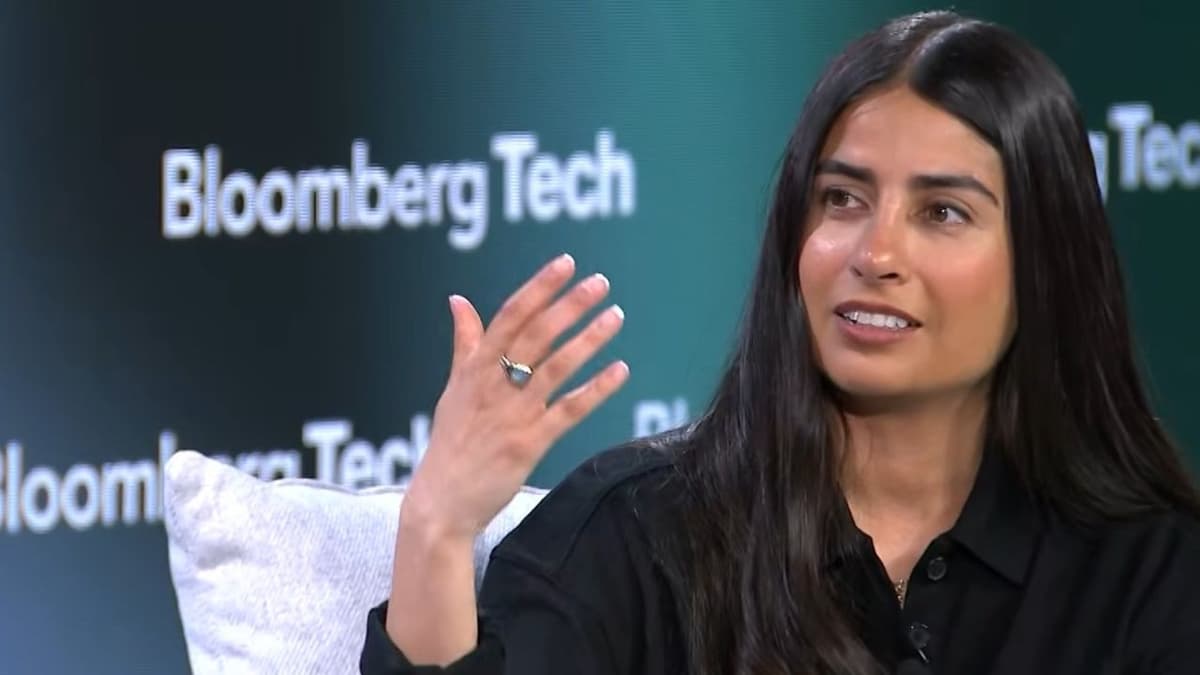
"That's What the Next 100 Days Will Be About": Xbox CEO Asha Sharma Says Memory Shortages From AI Are "Uncomfortable," And the Next Big "Challenge and Opportunity"
Companies Mentioned

Why It Matters
The memory crunch threatens console margins and could reshape the competitive landscape, rewarding any maker that masters cost‑effective hardware in a constrained supply chain.
Key Takeaways
- •AI-driven demand has tripled RAM prices, hitting console manufacturers
- •Xbox CEO Asha Sharma targets affordable hardware in first 100 days
- •Project Helix aims to blend console and PC amid memory scarcity
- •Rising component costs could widen price gap between Xbox and PlayStation
- •Supply constraints may force Microsoft to innovate beyond traditional hardware
Pulse Analysis
The surge in artificial‑intelligence workloads has turned memory into a scarce commodity, a phenomenon analysts label the "RAM crisis." Chip fabs are prioritising high‑bandwidth modules for data‑center AI clusters, leaving consumer‑grade DRAM and NAND in short supply. Prices for these components have risen dramatically, eroding the cost advantage that traditionally accompanies each new console generation. For Microsoft, this translates into a steep increase in bill‑of‑materials for its upcoming hardware, compelling the Xbox division to reassess pricing models and supply‑chain strategies.
Asha Sharma, newly appointed Xbox CEO, has made the memory shortage the focal point of her 100‑day plan. Her public stance emphasizes two goals: contain cost inflation and leverage the scarcity as a catalyst for innovation. Project Helix, the hybrid console‑PC platform slated to replace the Xbox Series line, is being engineered to run on lower‑capacity memory configurations without sacrificing performance. By optimizing software stacks and embracing modular design, Microsoft hopes to deliver a competitively priced device that sidesteps the premium pricing seen in rivals' offerings. Sharma’s approach signals a shift from pure hardware scaling to a more holistic value proposition that blends affordability with next‑gen capabilities.
The broader market feels the ripple effects. Competitors such as Sony’s PlayStation and Valve’s Steam Deck have already adjusted retail prices upward, and inventory volatility is prompting retailers to tighten order volumes. If Xbox can successfully navigate the memory crunch, it could reclaim mindshare and set a new benchmark for cost‑effective gaming hardware. Conversely, failure to mitigate component cost spikes may widen the price gap, accelerating consumer migration toward alternative platforms. The next quarter will reveal whether Microsoft’s strategic gamble pays off, potentially reshaping the console ecosystem for years to come.
"That's what the next 100 days will be about": Xbox CEO Asha Sharma says memory shortages from AI are "uncomfortable," and the next big "challenge and opportunity"
Comments
Want to join the conversation?
Loading comments...