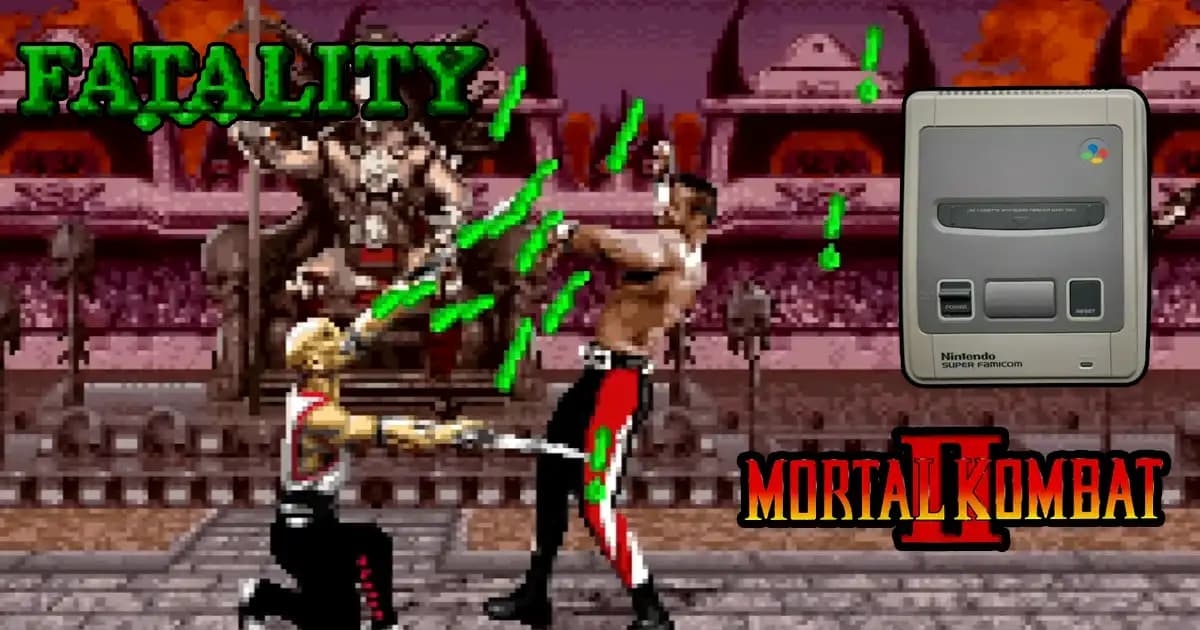
The Bizarre Workaround that Mortal Kombat 2 Incorporated to Get Around Censorship in Japan for the Super Famicom...
Why It Matters
The compromise illustrates how regional content regulations can force developers to innovate, influencing both player experience and the evolution of global rating systems.
Key Takeaways
- •Nintendo Japan required green blood instead of red in MKII
- •Fatality logo also recolored green to meet censorship rules
- •Certain Fatalities trigger a grayscale filter for added censorship
- •Workaround sparked fan backlash but preserved core gameplay
Pulse Analysis
Mortal Kombat’s 1992 arcade debut ignited a cultural firestorm, its graphic fatalities prompting lawmakers to adopt the first video‑game age‑rating system in the United States. When the franchise migrated to home consoles, Sega’s Genesis kept the blood, while Nintendo’s Super Nintendo removed it entirely for the North American market, sparking fan outrage. By the time Mortal Kombat II arrived, the industry had learned that visual gore could be a selling point, yet regional sensitivities still demanded compromises.
In Japan, Nintendo’s stricter content guidelines led to a creative, if bizarre, solution: the game’s blood was recolored a bright green, and the iconic "Fatality" splash screen followed suit. Moreover, specific finishing moves automatically applied a grayscale filter, muting the visual impact of the violence. Technically, this required a simple palette swap and a conditional rendering flag, allowing the core engine to remain untouched while satisfying censors. Japanese players, accustomed to Nintendo’s family‑friendly reputation, reacted with a mix of amusement and disappointment, but the alteration ensured the title could launch without delay.
The green‑blood episode underscores a broader lesson for modern developers: localization is more than translation—it often involves navigating divergent cultural standards. Today’s global releases routinely include region‑specific toggles for violence, language, and monetization, informed by the lessons of early 1990s censorship battles. Understanding how past workarounds like MKII’s green blood shaped industry practices helps studios anticipate regulatory hurdles and design flexible content pipelines, preserving artistic intent while respecting local norms.
The bizarre workaround that Mortal Kombat 2 incorporated to get around censorship in Japan for the Super Famicom...
Comments
Want to join the conversation?
Loading comments...