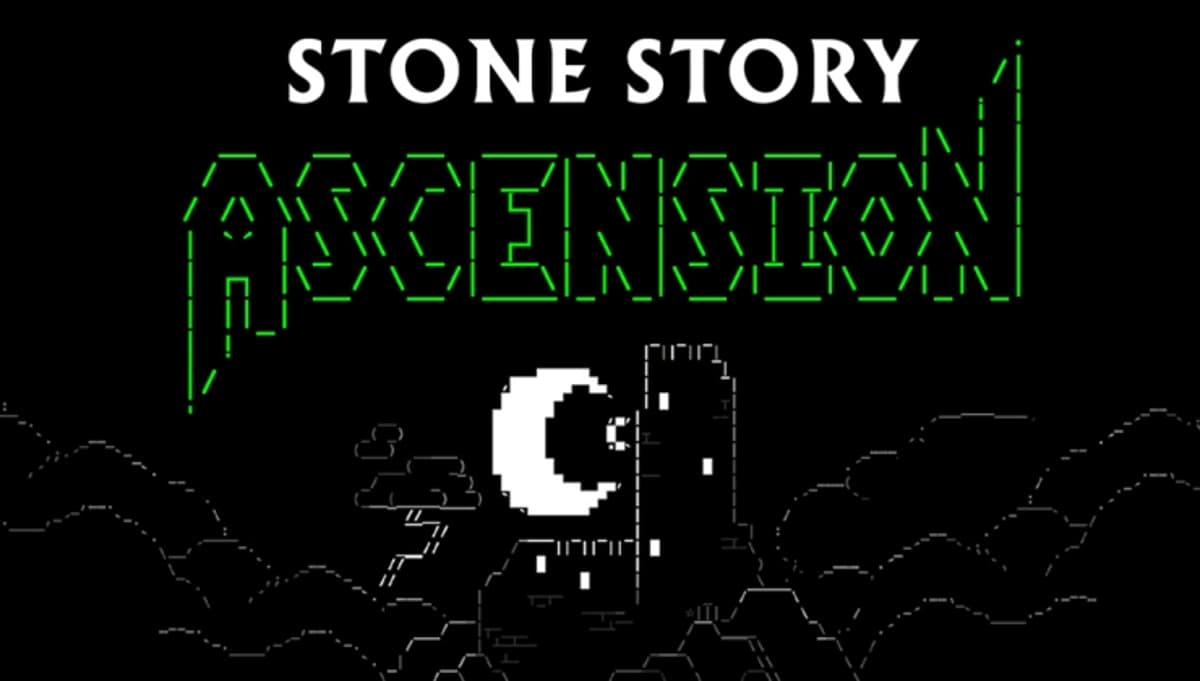
The Clever ASCII Animated Stone Story RPG Is Getting a Full Standalone Sequel
•February 16, 2026
0
Why It Matters
The title demonstrates how minimalist graphics can drive deep, strategic gameplay, appealing to niche gamers and reinforcing Linux‑first indie development. Its early funding success highlights market appetite for innovative, low‑budget experiences.
Key Takeaways
- •ASCII art meets idle‑RPG mechanics
- •No direct control; strategic planning drives gameplay
- •In‑game scripting lets players create custom behaviors
- •Full Linux support continues open‑source-friendly tradition
- •Kickstarter already hit $10K, indicating strong community interest
Pulse Analysis
The upcoming Stone Story Ascension builds on the cult classic Stone Story RPG by marrying retro ASCII visuals with modern hybrid gameplay. While the original garnered praise for its striking text‑based animation and atmospheric chiptune soundtrack, the sequel expands the formula with richer world‑building and deeper narrative threads. In an industry where pixel art indie titles dominate, the use of animated ASCII sets the game apart, appealing to both nostalgia‑driven gamers and developers seeking novel aesthetic approaches. This visual distinction also reinforces the title’s positioning within the niche of artistic, low‑budget productions.
Stone Story Ascension diverges from conventional RPG control schemes by removing direct character manipulation, forcing players to adopt a strategic, idle‑style mindset. Resource allocation, equipment crafting, and exploration decisions become the core loop, while an embedded scripting language empowers users to script custom combat behaviors and events. Such mechanics cater to a growing segment of gamers who favor emergent gameplay over reflex‑based action. Additionally, the developers’ commitment to native Linux support continues a tradition of accessibility, reinforcing the title’s appeal to the open‑source community and expanding its potential user base.
The Kickstarter campaign’s early success—surpassing its $10,000 goal with two weeks remaining—signals strong community enthusiasm and validates the market demand for experimental indie titles. Early backer funding not only provides development resources but also creates a built‑in audience eager for updates and post‑launch support. If Ascension delivers on its promises, it could inspire similar projects that blend minimalist graphics with deep systems, influencing both indie funding models and platform strategies. Observers will watch its performance as a barometer for the viability of niche aesthetic games in a crowded marketplace.
The clever ASCII animated Stone Story RPG is getting a full standalone sequel
0
Comments
Want to join the conversation?
Loading comments...