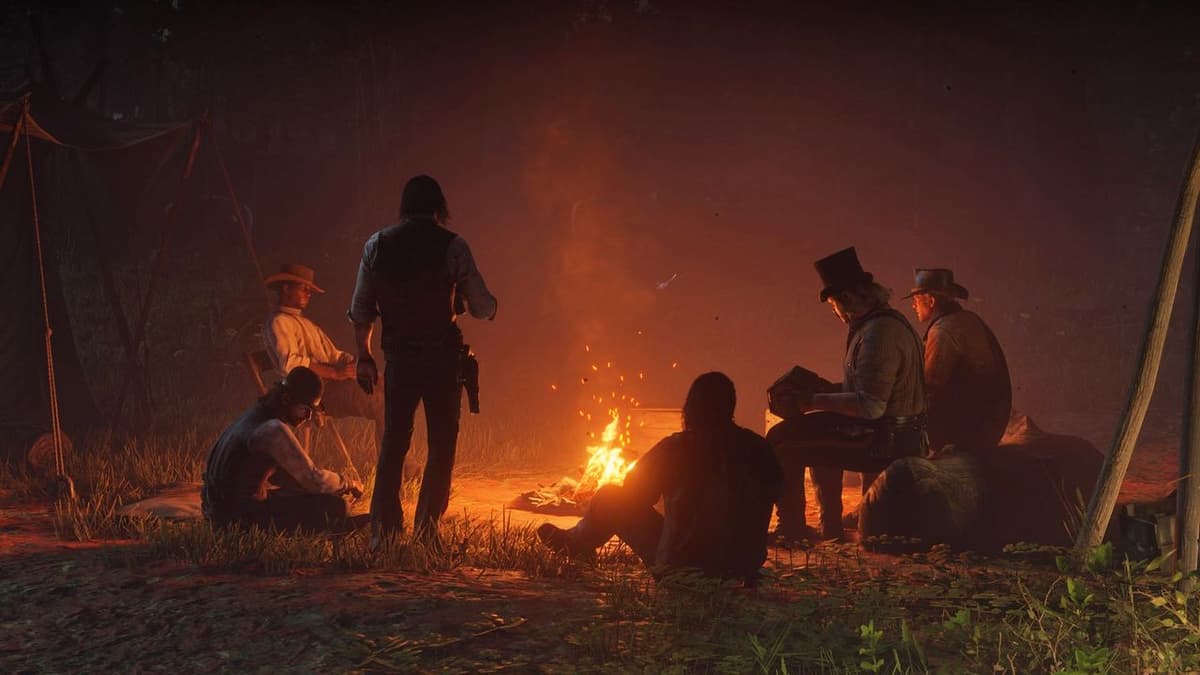
The Coolest In-Game Art Is in Arthur Morgan's Journal in Red Dead Redemption 2, and No You Can't Convince Me Otherwise
Why It Matters
The journal demonstrates how interactive narrative elements can deepen player immersion and fuel user‑generated content, extending a game’s cultural footprint beyond its release. It signals a growing demand for games that blend storytelling with personal creativity.
Key Takeaways
- •Arthur's journal records unique sketches triggered by player actions
- •No two journals are identical across playthroughs
- •Fans recreated the entire journal, sharing PDFs and videos
- •The journal deepens immersion and personal connection to the game
- •In‑game art inspires real‑world sketching and fan creations
Pulse Analysis
Rockstar’s decision to embed a dynamic sketchbook within Arthur Morgan’s journal adds a subtle yet powerful layer of narrative depth to Red Dead Redemption 2. Unlike static concept‑art galleries, the journal captures on‑the‑fly illustrations that correspond to the player’s location, wildlife encounters, and mission milestones. This procedural approach ensures each copy of the game tells a slightly different visual story, reinforcing the illusion that Arthur is a living character documenting his own legend. By turning routine gameplay moments into collectible art, the journal blurs the line between player agency and scripted storytelling.
The community response has been equally impressive. Within months of the game’s launch, fans began extracting the full 460‑page PDF of every journal page, a resource originally shared on Reddit. Creators like KyleKringle turned the sketches into a 28‑part YouTube Short series, painstakingly redrawing each illustration by hand. These fan‑driven projects not only celebrate Rockstar’s artistry but also generate organic marketing, as each share showcases the game’s richness to new audiences. The ripple effect extends to hobbyists who print the pages and bind them into physical books, effectively turning a digital easter egg into a tangible collector’s item.
Arthur’s journal exemplifies a broader industry trend: embedding interactive, creative tools that encourage players to produce their own content. Titles such as Chicory: A Colourful Tale and Passpartout have proven that sandbox art mechanics can become core selling points, driving engagement long after the main campaign ends. For developers, this signals an opportunity to design in‑game artifacts—journals, photo albums, or music logs—that evolve with player choices, fostering a sense of ownership and community participation. As games continue to serve as platforms for personal expression, features like Red Dead 2’s journal will likely become a benchmark for immersive, player‑centric design.
The coolest in-game art is in Arthur Morgan's journal in Red Dead Redemption 2, and no you can't convince me otherwise
Comments
Want to join the conversation?
Loading comments...