Why It Matters
The expansive, modular map design fuels player retention by continually adding content and monetizable services, while diverse progression paths support in‑game economies and cross‑region engagement.
Key Takeaways
- •Map spans five distinct regions, each with unique mechanics
- •Forge and upgrade stations central to progression across islands
- •New Frostspire and Crimson Sakura content expands endgame options
- •Secret caves and dynamic mazes drive exploration and replayability
- •Upcoming island promises continued content updates and player retention
Pulse Analysis
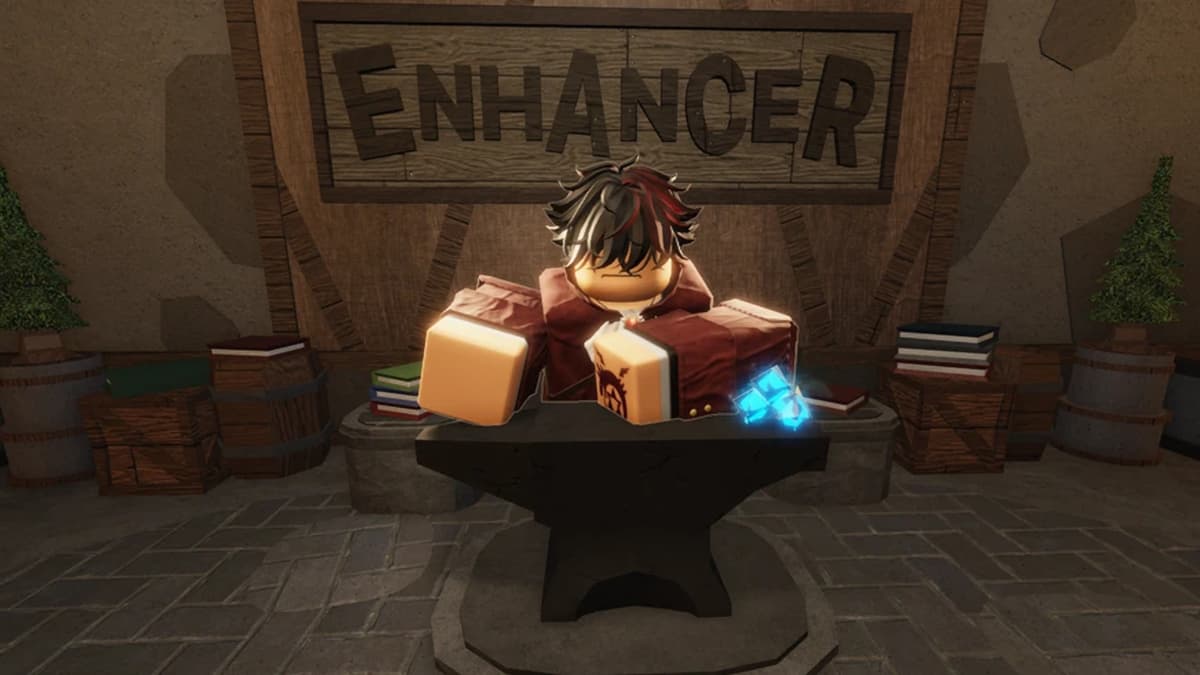
The Forge’s world architecture follows a region‑centric model that balances familiarity with novelty. Starting at Stonewake’s Cross, players encounter a dense hub of crafting stations, NPC vendors, and introductory quests that establish the game’s core loop. Subsequent zones—Forgotten Kingdom, Frostspire Expanse, and Crimson Sakura Isles—layer increasingly complex environments, from volcanic depths to icy peaks, each packed with unique challenges and hidden pathways. This tiered progression not only smooths the learning curve but also encourages repeated exploration, a proven driver of session length in live‑service titles.
Central to The Forge’s monetization strategy are the ubiquitous forge and runemaker areas, which convert mined ores into upgraded gear and passive rune effects. Shops such as Maria’s Potion and Greedy Cey’s resale points create a micro‑economy where players trade resources for consumables, pickaxes, and gold. By tying premium currency or real‑money purchases to faster rune slots or exclusive recipes, the design subtly nudges spenders without breaking gameplay balance. This economy mirrors successful models in other action‑RPGs, where gear progression fuels both player satisfaction and revenue streams.
The roadmap signals sustained growth, with a new island slated for release and dynamic elements like the Secret Maze that reshuffle regularly. These live updates keep the meta fluid, prompting veteran players to revisit older zones for fresh loot and encouraging newcomers to join a thriving community. Moreover, the map’s modularity simplifies future content drops, allowing developers to introduce new forges, bosses, or questlines without overhauling existing infrastructure. In a competitive market, such adaptability is essential for long‑term retention and for positioning The Forge as a staple in the evolving action‑RPG landscape.
The Forge map
0
Comments
Want to join the conversation?
Loading comments...