Companies Mentioned

Valve
Why It Matters
These games defined core FPS mechanics and narrative techniques that still drive today’s blockbuster releases and esports ecosystems, making them pivotal reference points for developers and investors alike.
Key Takeaways
- •Battlefield 3 showcased Frostbite‑2 destruction and 64‑player combined‑arms battles.
- •Far Cry 3 popularized outpost‑liberation and iconic Vaas antagonist.
- •BioShock proved FPS can deliver deep environmental storytelling.
- •Titanfall 2 blended wall‑running mobility with mech combat in single matches.
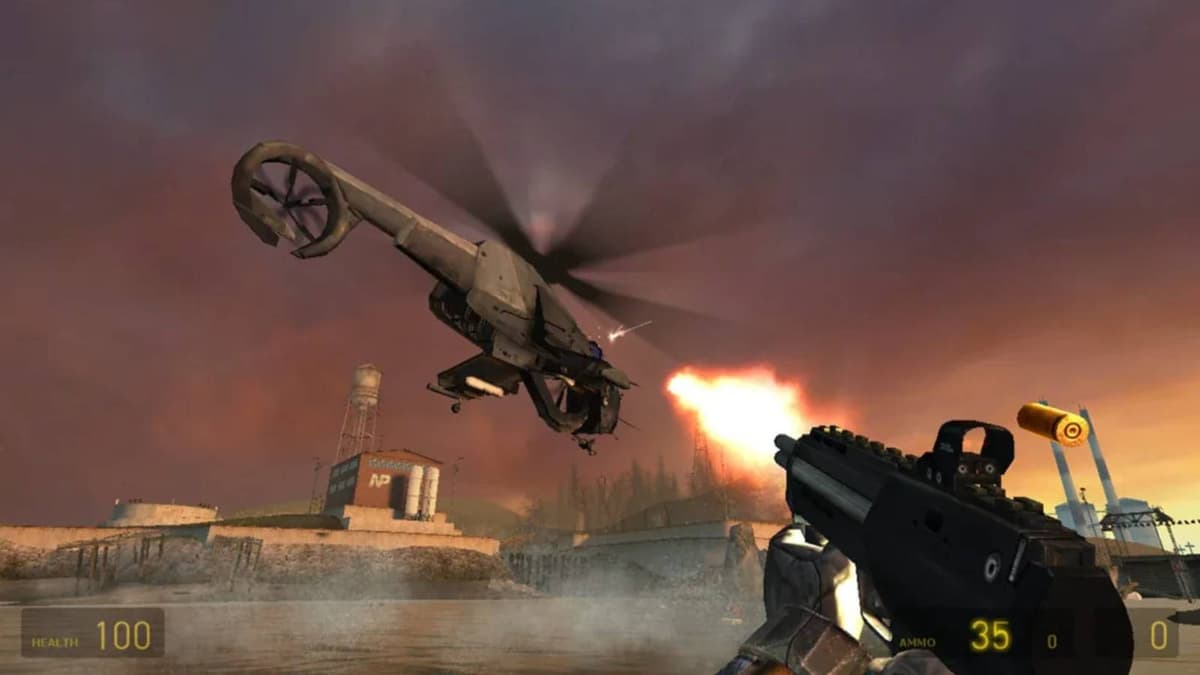
- •Half‑Life 2 set new standard for immersive, physics‑driven narrative.
Pulse Analysis
The first‑person shooter has evolved from simple corridor shooters into a genre that blends storytelling, massive multiplayer, and technical innovation. Early landmarks like Halo 2 introduced tight console controls that made competitive play viable, while Battlefield 3 leveraged the Frostbite 2 engine to deliver unprecedented environmental destruction and 64‑player battles. These breakthroughs proved that scale and fidelity could coexist, prompting studios to invest heavily in next‑gen engines and live‑service infrastructures.
Design innovations highlighted in the list have become industry benchmarks. BioShock’s atmospheric world‑building demonstrated that FPS titles could rival cinematic experiences, influencing narrative‑driven games such as Destiny and the upcoming Starfield. Titanfall 2’s seamless transition between parkour‑style movement and mech combat set a new bar for mobility, inspiring titles like Apex Legends and the recent wave of battle‑royale games that prioritize fluid traversal. Meanwhile, Half‑Life 2’s physics‑based puzzles and uninterrupted storytelling reshaped player immersion, a legacy evident in modern sandbox shooters that integrate environmental interaction as core gameplay.
From a business perspective, these masterpieces have generated enduring revenue streams through DLC, esports, and franchise extensions. Titles like Modern Warfare introduced kill‑streak and progression systems that now underpin the monetization models of countless live‑service shooters. The sustained popularity of these games fuels hardware sales, streaming viewership, and competitive leagues, reinforcing the FPS genre as a cornerstone of the global gaming market. As developers chase the next breakthrough—whether through AI‑driven worlds or cross‑platform play—the lessons from these seminal games will continue to guide strategic decisions and creative direction.
The Greatest FPS Masterpieces Of All Time
Comments
Want to join the conversation?
Loading comments...