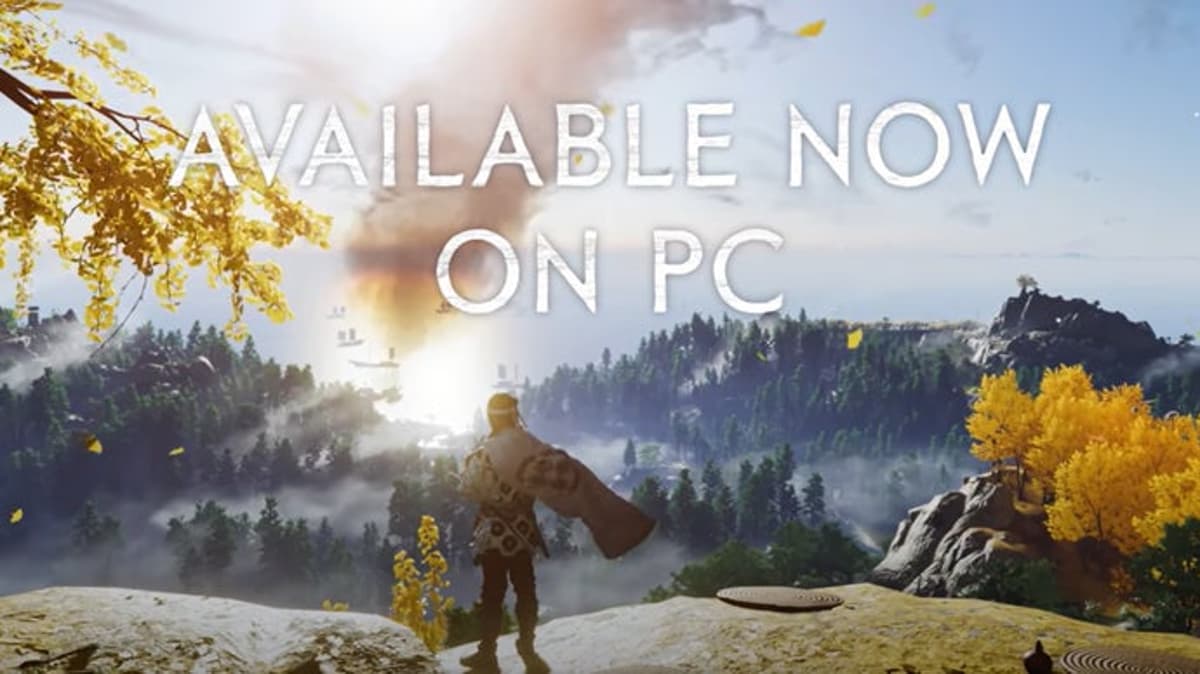
The Logic of Platform Exclusivity Remains Undefeated | Opinion
•March 6, 2026
0
Why It Matters
Platform exclusivity directly influences console adoption and revenue streams, shaping the competitive dynamics between Sony, Microsoft, and Nintendo. Understanding these strategies helps investors and developers anticipate market shifts.
Key Takeaways
- •Sony halts PC ports for major first‑party titles
- •Only 6% of God of War Ragnarak players on PC
- •Microsoft keeps Xbox games on PC to broaden audience
- •Nintendo maintains strict exclusivity as core strategy
- •Exclusivity drives hardware sales despite consumer frustration
Pulse Analysis
The resurgence of first‑party exclusivity at Sony reflects a recalibration of its hardware‑software symbiosis. After a series of delayed PC ports, data from Newzoo showed that merely 6% of God of War Ragnarök’s lifetime players were on PC, underscoring the limited upside of cross‑platform releases for flagship titles. By pulling back, Sony hopes to restore the premium allure of its console ecosystem, encouraging gamers to purchase a PS5 rather than settling for a later PC version.
Microsoft’s strategy diverges sharply, leveraging its massive acquisition of Activision Blizzard to flood the PC market with Xbox‑originated games. This cross‑platform approach expands the addressable audience, compensating for weaker console sales in regions where hardware penetration lags. However, the trade‑off is a diluted exclusivity advantage, prompting the company to explore hybrid solutions such as the upcoming Xbox that can run PC titles directly, blurring the line between console and PC while preserving a broader reach.
Nintendo remains the outlier, clinging to a pure exclusivity model that ties its innovative hardware to iconic franchises like Mario and Zelda. This tight integration has historically driven strong console demand, even as the broader industry experiments with multi‑platform releases. For developers and investors, the divergent paths of Sony, Microsoft, and Nintendo illustrate a fundamental tension: the lure of wider revenue versus the strategic value of exclusive content that fuels hardware sales and brand differentiation. Companies must balance short‑term market share gains against the long‑term health of their platform ecosystems.
The logic of platform exclusivity remains undefeated | Opinion
0
Comments
Want to join the conversation?
Loading comments...