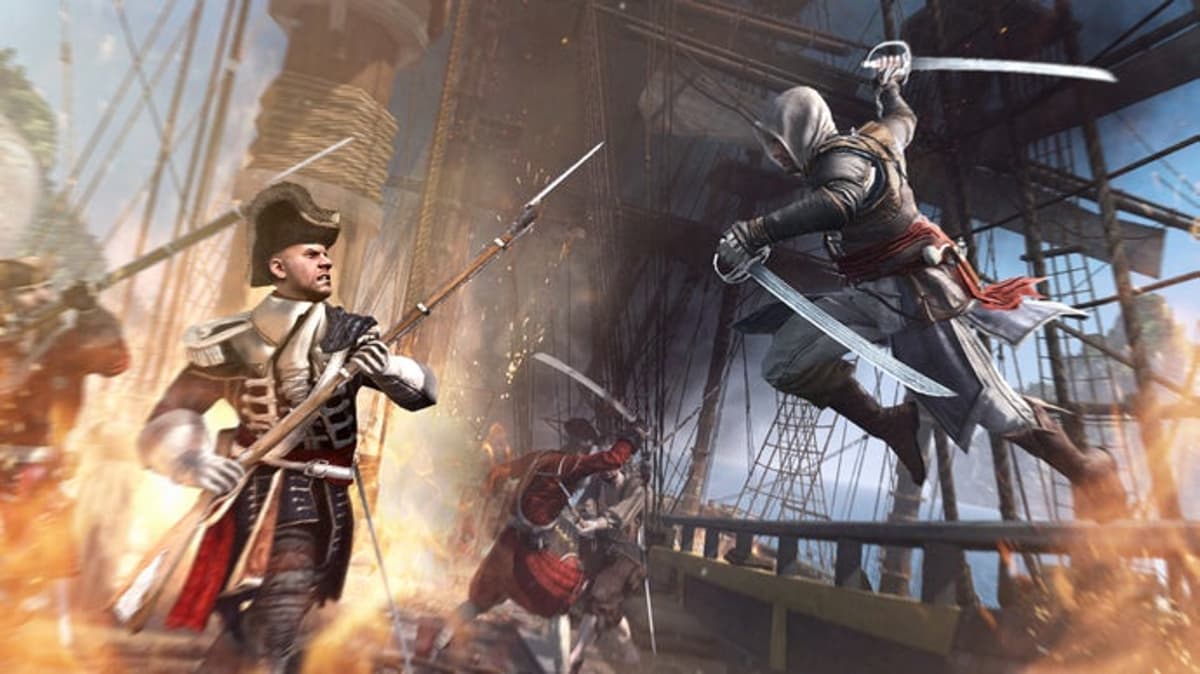
The Outer Worlds and Assassin’s Creed: Black Flag Share an Unlikely Lesson: We Make Our Own Pirates
Companies Mentioned
Why It Matters
The piece underscores that corporate restructuring and restrictive contracts can create security gaps that manifest as illicit activity, highlighting a hidden cost of workforce displacement for both economies and societies.
Key Takeaways
- •Corporate layoffs can spawn modern piracy, echoing historic privateering.
- •The Outer Worlds mirrors real‑world job loss‑driven piracy.
- •Non‑compete clauses trap workers, limiting post‑layoff opportunities.
- •Somalia’s youth unemployment once generated $6 bn piracy losses.
- •Gaming narratives highlight economic consequences of workforce displacement.
Pulse Analysis
The transition from state‑sanctioned privateering to outright piracy is a recurring theme in history, and modern games are using it to comment on today’s labor market. In the 17th‑century Caribbean, governments issued letters of marque to unemployed sailors, giving them legal cover to seize enemy vessels. When peace returned, those same crews, now skilled marauders without work, turned to piracy, flooding seas with lawless activity. By weaving this pattern into The Outer Worlds, developers draw a direct line from historic economic displacement to the fictional plight of the Firefly Freebooters.
Contemporary piracy mirrors that legacy, most starkly in Somalia’s coastal waters. With unemployment rates approaching 70 % among youth, former fishermen and laborers turned to hijacking ships as a desperate source of income. The International Maritime Bureau estimated that Somali piracy cost the global economy more than $6 bn in 2012, a figure that includes ransom payments, insurance premiums, and lost trade efficiency. This modern scourge illustrates how a lack of viable employment can push marginalized populations toward high‑risk, high‑reward illegal enterprises, echoing the game‑world scenario where corporate non‑competes leave workers without lawful avenues.
For businesses, the lesson is clear: restrictive post‑layoff clauses and abrupt workforce reductions can generate externalities far beyond immediate cost savings. When talent is barred from competing or re‑entering the market, the resulting talent vacuum may be filled by illicit activity, eroding brand reputation and inviting regulatory scrutiny. Companies that invest in transition programs, upskilling, and fair severance can mitigate these hidden risks while fostering a more resilient labor ecosystem. Gaming narratives like The Outer Worlds and Assassin’s Creed serve as cultural barometers, warning that the economics of exclusion can manifest as piracy—both virtual and real—if left unchecked.
The Outer Worlds and Assassin’s Creed: Black Flag share an unlikely lesson: we make our own pirates
Comments
Want to join the conversation?
Loading comments...