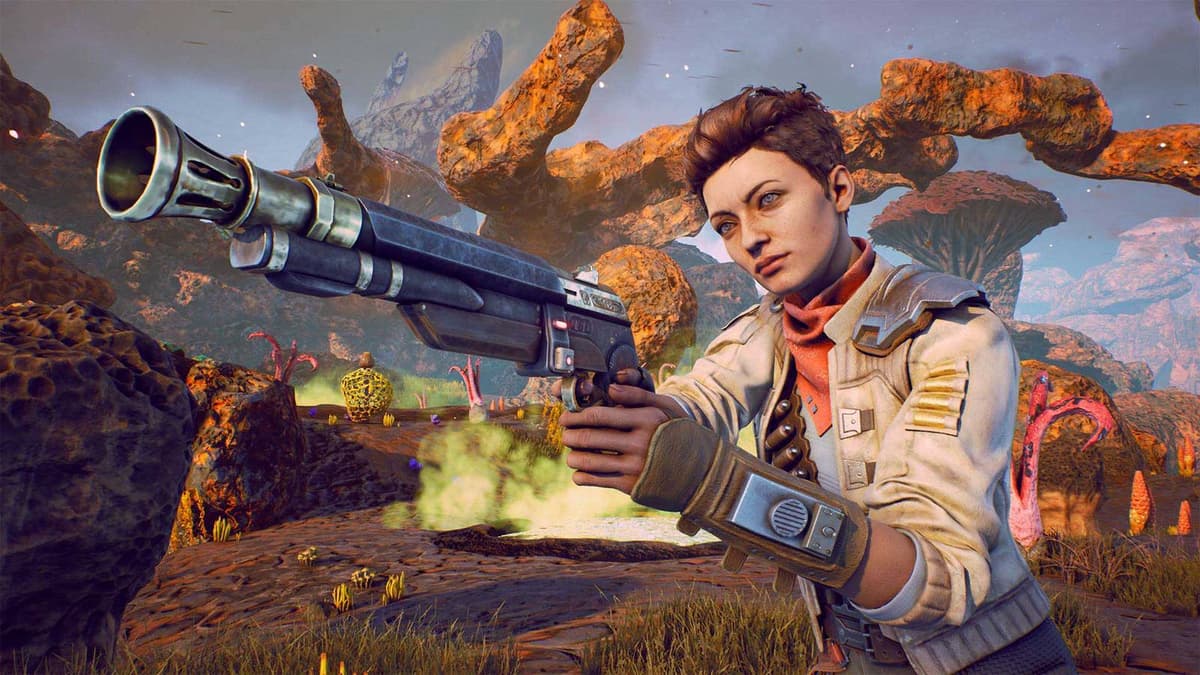
The Outer Worlds Will Soon Be Removed From Stores — but There's a Catch
Why It Matters
The move consolidates sales into a single, supported version, boosting long‑term revenue and simplifying updates, while offering current players a cost‑free upgrade that preserves the franchise’s community.
Key Takeaways
- •Original Outer Worlds delisted on PC, PS5, Xbox Series X on May 27.
- •Spacer’s Choice Edition becomes sole version on those platforms, priced $39.99.
- •Free upgrade offered to existing owners of base game and DLC.
- •Patch 2.5.7.0 fixes UI bugs and FPS drops; new grenade weapon coming.
- •Base game $24.99, DLC $14.99 on PS4/Xbox One.
Pulse Analysis
The decision to pull the 2019 build of The Outer Worlds from major storefronts reflects a growing industry trend where publishers retire legacy codebases in favor of unified, updated releases. By funneling all new purchases through Spacer’s Choice Edition, Obsidian can focus development resources on a single version, streamline patch deployment, and avoid the fragmentation that often plagues long‑running RPG franchises. The $39.99 price point, coupled with a free upgrade for existing owners, balances revenue goals with consumer goodwill, ensuring that loyal fans aren’t forced to repurchase content they already own.
From a player‑experience perspective, the free upgrade and the rollout of Patch 2.5.7.0 address long‑standing quality‑of‑life issues that have accumulated over the game’s four‑year lifecycle. Fixes such as UI clarity, reduced FPS drops from the Storm Cannon, and corrected companion status displays directly improve day‑to‑day gameplay, while the upcoming grenade addition injects fresh tactical options. These updates demonstrate Obsidian’s commitment to extending the title’s lifespan, encouraging both new adopters and returning veterans to engage with the refreshed experience.
In the broader market, the delisting underscores how digital distribution platforms empower developers to reshape a game’s commercial arc post‑launch. Removing older builds can boost average revenue per user by steering purchases toward higher‑margin editions, but it also raises concerns about preservation and consumer choice. For the RPG sector, where expansive worlds and DLC ecosystems are common, such strategies may become standard practice, prompting studios to design future releases with modular upgrades in mind to maximize both profitability and player satisfaction.
The Outer Worlds will soon be removed from stores — but there's a catch
Comments
Want to join the conversation?
Loading comments...