Companies Mentioned
Why It Matters
The cancellation highlights the difficulty indie developers face when working with major IP owners, potentially limiting future licensed collaborations. It also underscores the importance of realistic timelines for small studios to maintain product quality and brand reputation.
Key Takeaways
- •Paranormal Activity: Threshold canceled due to denied extension
- •Solo developer Brian Clarke chose to quit rather than rush
- •Publisher DreadXP supported project but couldn't secure Paramount timeline
- •Clarke's prior hit, The Mortuary Assistant, built strong fanbase
- •Developer plans new horror concepts after project split
Pulse Analysis
Indie developers have increasingly pursued high‑profile licenses to boost visibility, but the Paranormal Activity: Threshold case illustrates the tightrope they walk. While a recognizable franchise can attract investors and a ready audience, it also places the studio under the strict control of the rights holder. Paramount’s refusal to grant additional development time forced Brian Clarke to choose between a compromised launch and abandoning the project, a dilemma that many small teams encounter when negotiating with Hollywood studios.
The decision to cancel the game sends a clear signal to publishers and investors about the risks inherent in licensed indie projects. DreadXP, known for backing niche horror titles, could not offset Paramount’s timeline demands, demonstrating that even supportive partners may lack leverage against major studios. This outcome may cause other indie creators to reassess the viability of pursuing big‑IP collaborations, opting instead for original IPs where development schedules remain under their own control.
Clarke’s track record, highlighted by the viral success of The Mortuary Assistant, suggests he will likely return to original concepts that showcase his signature horror style. His willingness to walk away rather than dilute quality reinforces a growing trend among indie developers to prioritize brand integrity over short‑term gains. For the broader horror gaming market, the cancellation may open space for fresh, creator‑driven experiences, while reminding stakeholders that sustainable development timelines are essential for delivering compelling, high‑quality games.
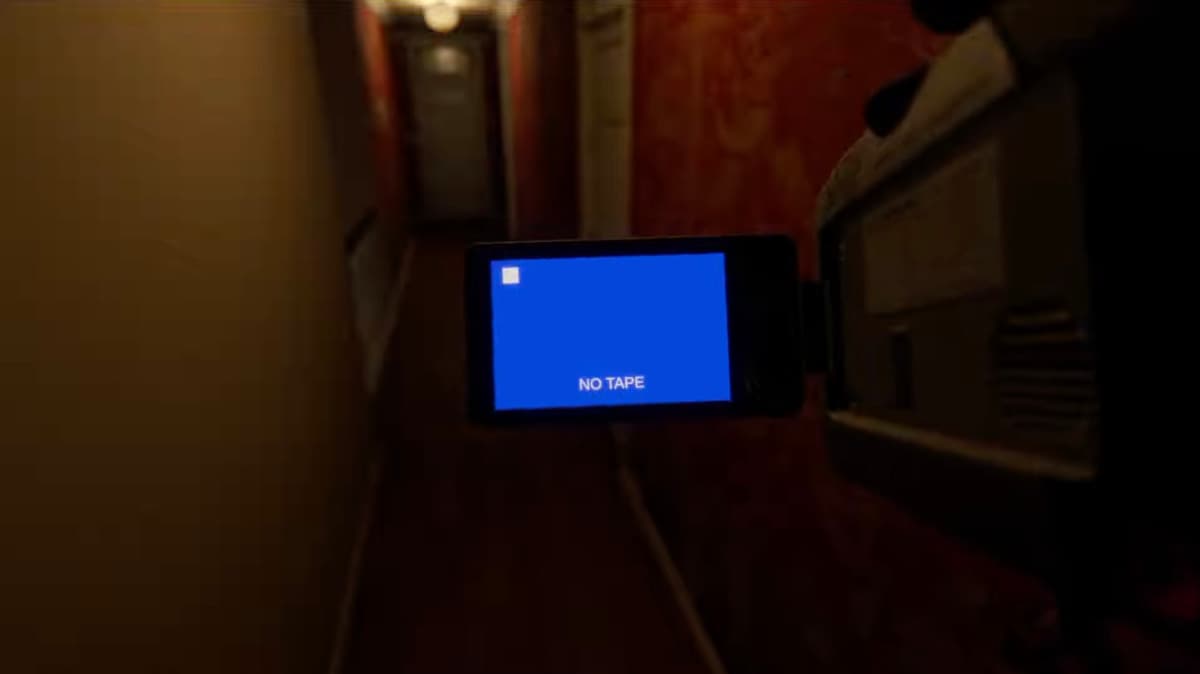
The Paranormal Activity game project is dead
Comments
Want to join the conversation?
Loading comments...