Companies Mentioned

Why It Matters
These valuations illustrate the growing financial relevance of retro game collecting, influencing both investors and publishers as they assess legacy titles' long‑term value.
Key Takeaways
- •Limited editions drive PS2 collector prices above $200.
- •Rare titles often include exclusive toys or extra media.
- •Market values tracked via PriceCharting as of Feb 2026.
- •Western releases can fetch higher prices than Japanese versions.
- •Nostalgia fuels demand for obscure franchise games.
Pulse Analysis
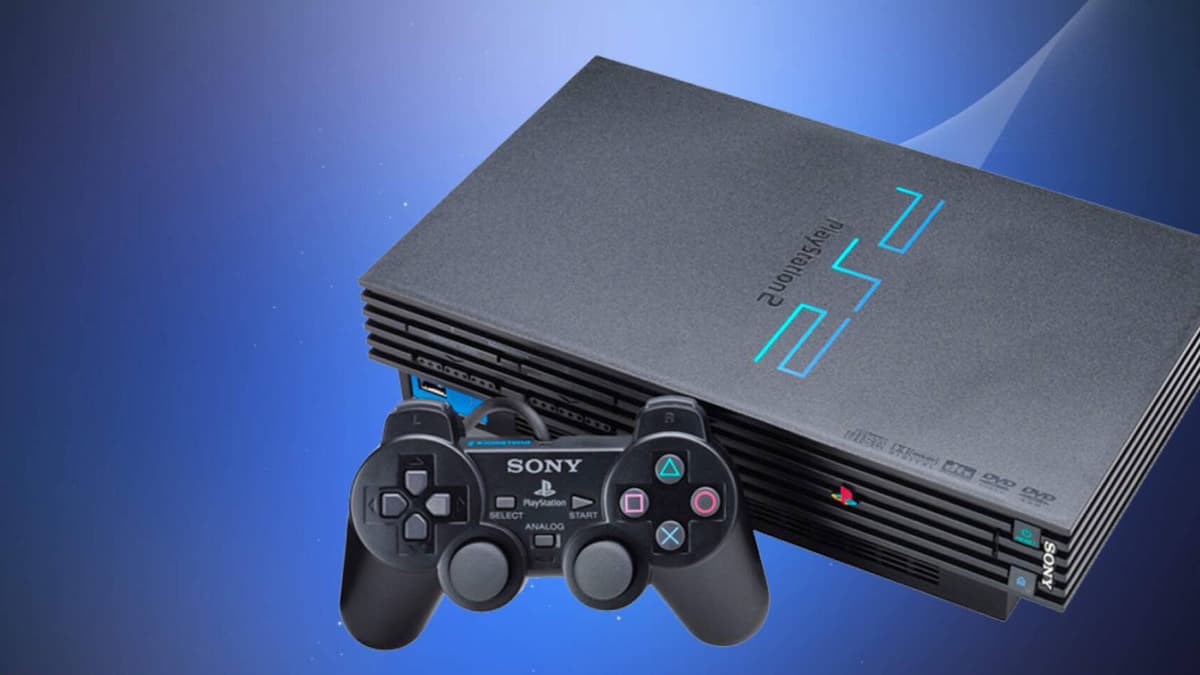
The retro gaming market has matured into a multi‑billion‑dollar niche, with platforms like eBay, StockX, and specialized auction houses providing transparent pricing data. PlayStation 2, the best‑selling console of all time, benefits from a vast library and a generation of gamers now reaching peak earning power, driving demand for original hardware and software. PriceCharting’s recent update captures this momentum, showing that even mid‑tier titles can appreciate dramatically when scarcity aligns with fan nostalgia.
Price drivers for the most valuable PS2 titles are highly specific. Limited‑edition bundles that include action figures, art books, or extra discs create artificial scarcity, inflating complete‑in‑box values far beyond the game’s intrinsic worth. Regional exclusivity compounds this effect; Western releases of titles like Robot Alchemic Drive command premium prices compared to their Japanese counterparts. Condition remains paramount—new‑sealed copies can fetch four‑ to five‑digit sums, while loose cartridges see modest, yet still significant, appreciation.
For collectors and investors, understanding these dynamics is crucial. Tracking real‑time sales on PriceCharting and monitoring auction trends can reveal emerging opportunities before prices peak. As the PS2 generation ages, the supply of sealed copies dwindles, suggesting continued upward pressure on rare titles. Publishers may also capitalize by re‑releasing coveted games in modern formats, potentially stabilizing the secondary market while satisfying nostalgic demand. Savvy participants who balance passion with data‑driven analysis stand to benefit most from this evolving asset class.
The Rarest PS2 Games (& How Much They're Worth)
0
Comments
Want to join the conversation?
Loading comments...